
Importers Building a Portfolio
Describe your country, existing equipment lines and the gap an ice machine range should fill. Separate core stock models from special requests so quotations can be compared on the same basis.
IMPORTERS · DISTRIBUTORS · EQUIPMENT DEALERS
Build a commercial ice machine range around the customers you serve. Discuss product selection, the proposed order and the information your sales and service teams need.

Start with the customers, applications and buying decisions behind your proposed order, then select the equipment that fits the brief.
Describe your country, existing equipment lines and the gap an ice machine range should fill. Separate core stock models from special requests so quotations can be compared on the same basis.
Bring the applications and installation information behind your shortlist. A restaurant chain, a hotel supply project and a seafood display may need different ice formats and handling arrangements.
Review how your team will explain, install and support the selected equipment. Ask for the appropriate product information and parts identification before promising a scope to your customers.
Use ice format and customer application to build the shortlist. Open each category for the model overview, then request the specifications relevant to your market.
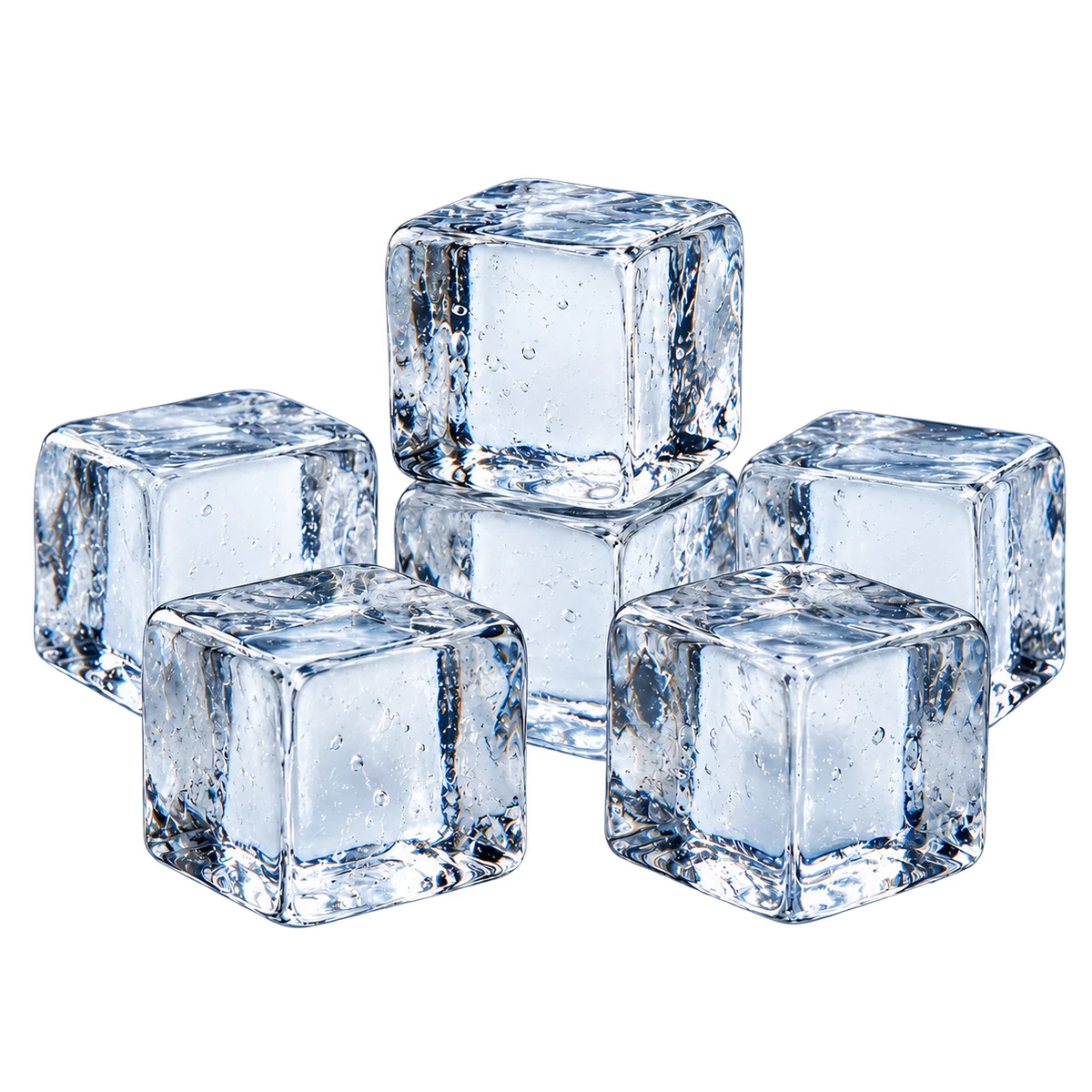
A familiar starting point for restaurant, bar and hospitality equipment discussions. Review the actual cube sample and selected model.
Explore the Series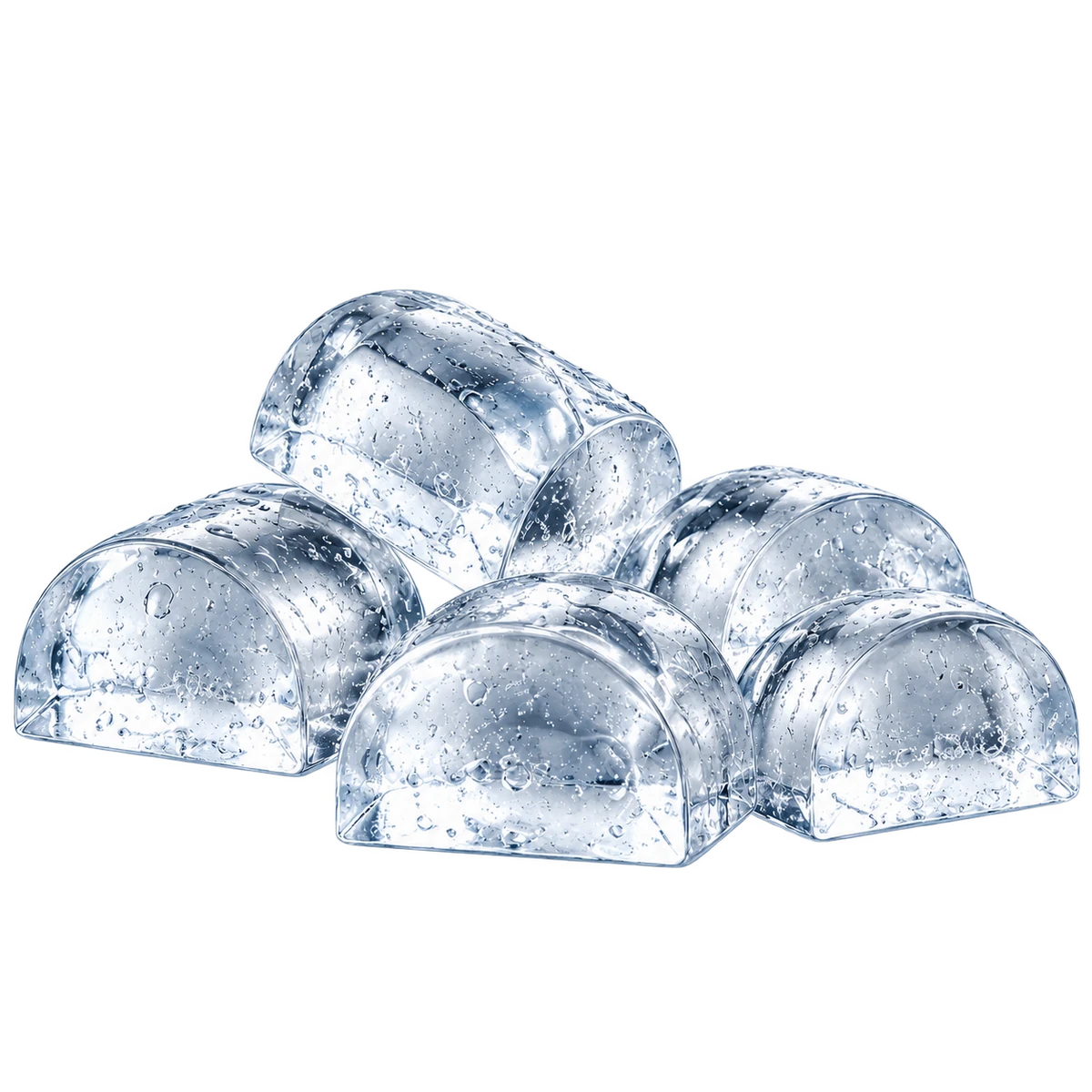
Solid half-cylinder ice with a curved top and flat base. Compare the series against the drinks and service pattern of your customers.
Explore the Series
Thin, irregular sheet-like ice. Discuss display beds, replenishment and handling for seafood and preparation applications.
Explore the Series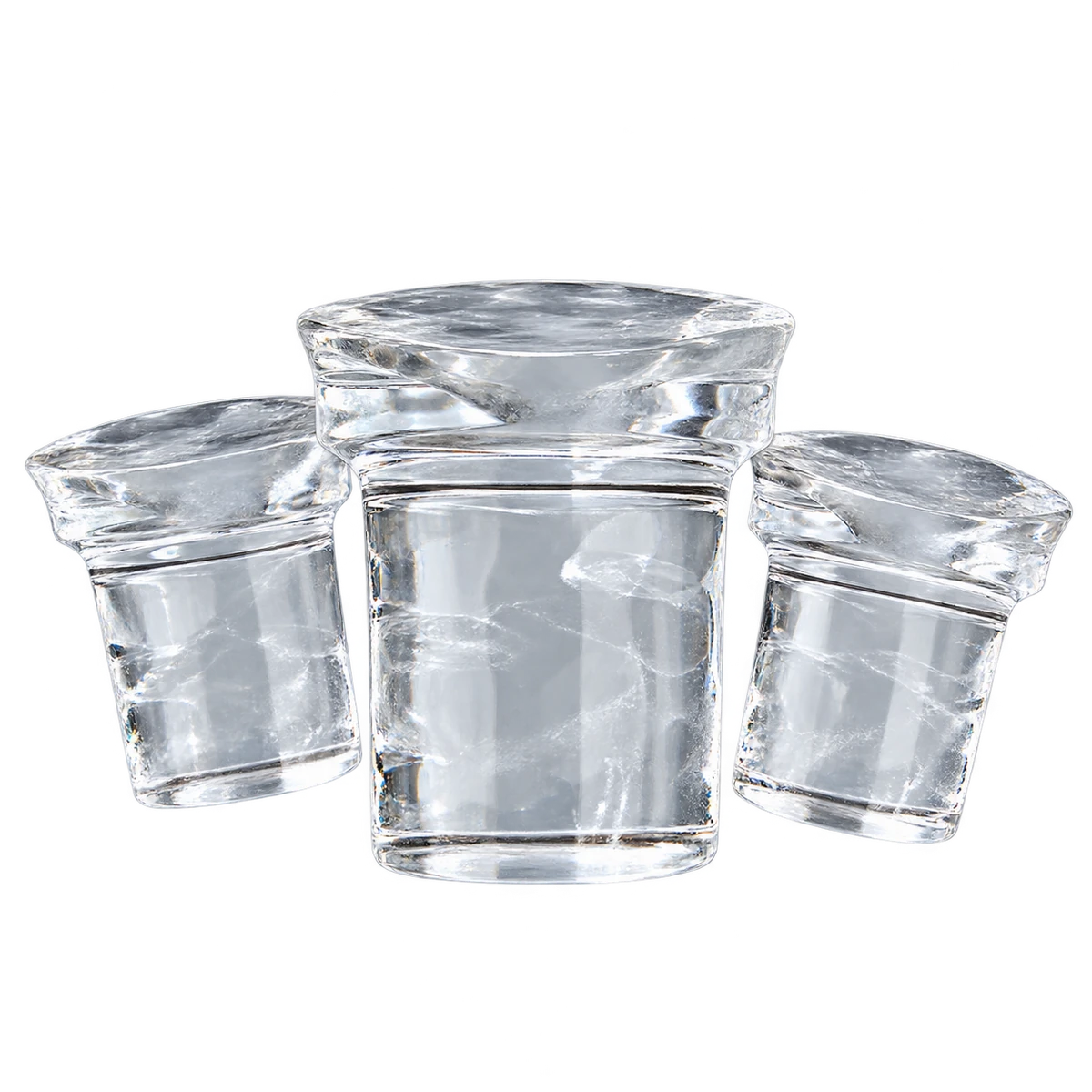
Individually formed solid cylinders without a central hole. Use the actual sample when defining the range for your market.
Explore the Series
Small, separate ice pieces with a different form from cubes or flakes. Review the sample, intended use and equipment configuration.
Explore the Series
Fine, snow-like ice for the relevant chilling workflow. Keep this series distinct from flake and nugget when presenting your offer.
Explore the SeriesSeries pages provide a selection starting point. Confirm the proposed model, nominal rating conditions, storage, configuration and installation requirements against the equipment offered in your quotation.
A useful supply discussion goes beyond an equipment price. Keep the model, included scope and information needed for resale connected in the same review.
Request the proposed version, production conditions, ice sample, storage arrangement and electrical requirements. Model names alone are not a basis for comparing performance.
List equipment quantities by model. Ask what is included in packing, samples, branding, requested documents and the proposed shipping arrangement, and identify exclusions clearly.
Request approved product references and relevant instructions. Keep images, descriptions and specifications aligned with the equipment you intend to offer.
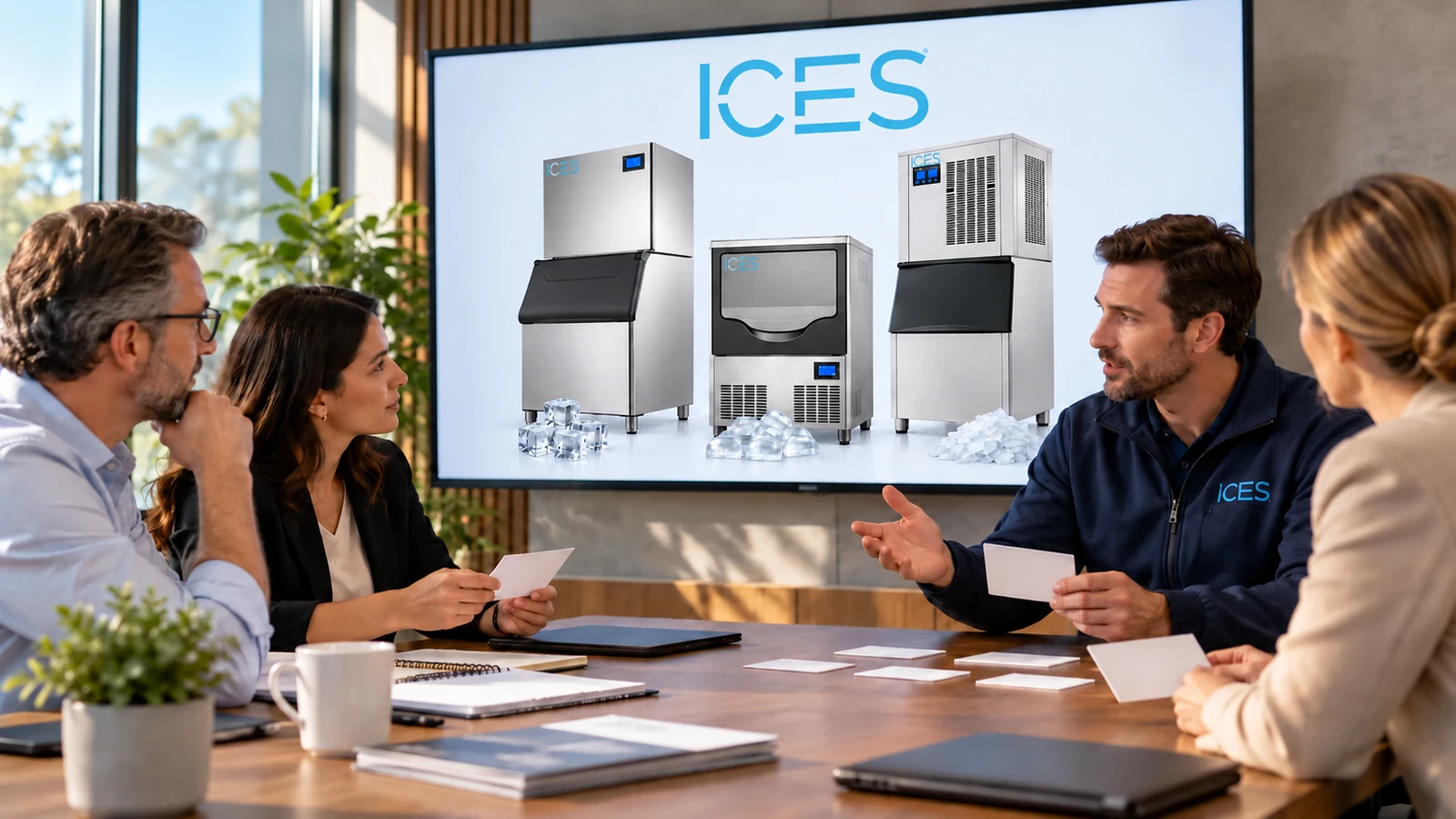
Use a practical review sequence so product selection, samples and commercial terms support the same purchasing decision.
Share your business, destination country, customer sectors and current supply model. Explain which applications or gaps the proposed ice machine range should address.
Compare ice formats and the catalog model overviews. Identify the specifications, installation information and documents you need before an order can be considered.
Agree sample objectives and review the proposed quotation. Record model versions, quantities, packing, required information and open questions before approval.
Confirm the order-specific arrangements for inspection, documents and shipment. Plan how your team will identify parts and handle product questions after delivery.
Tell us which ice types, quantities and customer applications you are considering. Include your destination country and the information your buying team needs next.
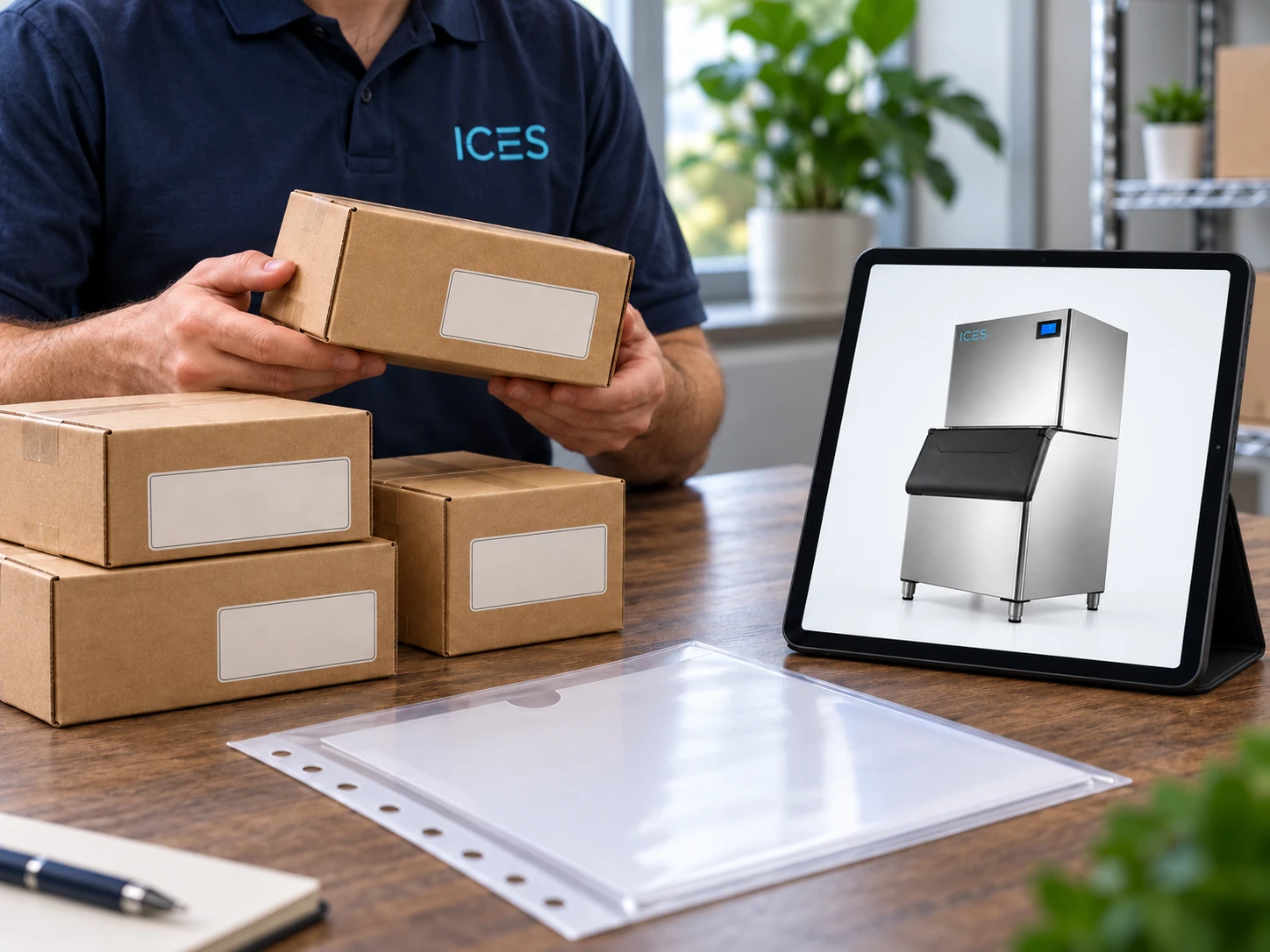
Product application, installation preparation and spare-part identification should be considered while you define the range, rather than after a customer has already received equipment.
Ask for the selected model’s water, drainage, ventilation, access and power requirements. Gather site information from your customers before committing to an equipment position.
Discuss the relevant parts information and a proposed initial spares list. Keep model and version references so a later request can identify the correct equipment.
Agree what information is needed to review a product question: unit identity, symptoms, operating conditions and genuine photos or records. Clarify responsibilities and commercial terms in writing.
It is intended for commercial equipment importers, distributors, dealers and other trade buyers planning an ice machine range. Share your destination market, customer sectors, current range and proposed purchasing scope so the discussion can focus on the relevant equipment.
List the ice types and proposed quantities separately, then request an order proposal for the models being considered. Each series has its own ice format and specifications. Available order structure, quantity terms and packing details need to be agreed for the proposed purchase.
Use the product overview and ice-type pages to form a shortlist. Then share customer applications, expected demand, installation constraints and your market requirements. Request the selected models’ complete specifications, rating conditions and configuration details before finalizing the range.
Include the territory, customer channels, proposed range and purchasing plan in your inquiry. Any territory arrangement, exclusivity or related commercial conditions would need a separate written agreement. An inquiry or a website listing does not create an exclusive appointment.
Request model- and version-specific parts identification, available technical information and the proposed process for product questions. Clarify commercial terms, availability and responsibilities for the selected equipment. Do not assume a local service network, universal parts compatibility or a single warranty policy across all orders.
Include your branding requirements alongside the selected models and quantities. Use the OEM/ODM page to prepare the artwork and configuration brief. Branding scope, sample review and the applicable costs and terms should be considered with the order proposal.
YOUR NEXT STEP
Give ICES the context behind the product request. You can start with a preliminary range and identify the specifications or terms your team still needs to review.
Company name, website if available, destination country and the territory you serve.
Customer sectors, typical installation settings and the role ice machines will play in your range.
Preferred ice types, models or production ranges, estimated quantities and any branding needs.
Sample objectives, documentation, installation questions, spares planning and intended order timing.
Practical reading for the purchasing decisions behind your project.
BUYING GUIDE
Connect six distinct ice forms to customer requirements, catalog options, and distributor support readiness.
Read the GuideBUYING GUIDE
Align ice form, output conditions, storage, configuration, and included items before comparing prices.
Read the GuideBUYING GUIDE
Connect unit identity, parts references, technical case information, and commercial support arrangements.
Read the GuideBring the artwork and proposed product scope into the same discussion. The OEM/ODM page explains what to prepare before a private label project is approved.
Explore OEM & ODM Projects