Small-piece ice equipment for cafés, restaurants and beverage counters. Compare four ICES models and plan production around cup portions, busy periods and station refills.
Catalog nominal daily production. Request rating conditions, an ice sample and the selected model’s configuration before ordering.
Start With the Small Separate Pieces
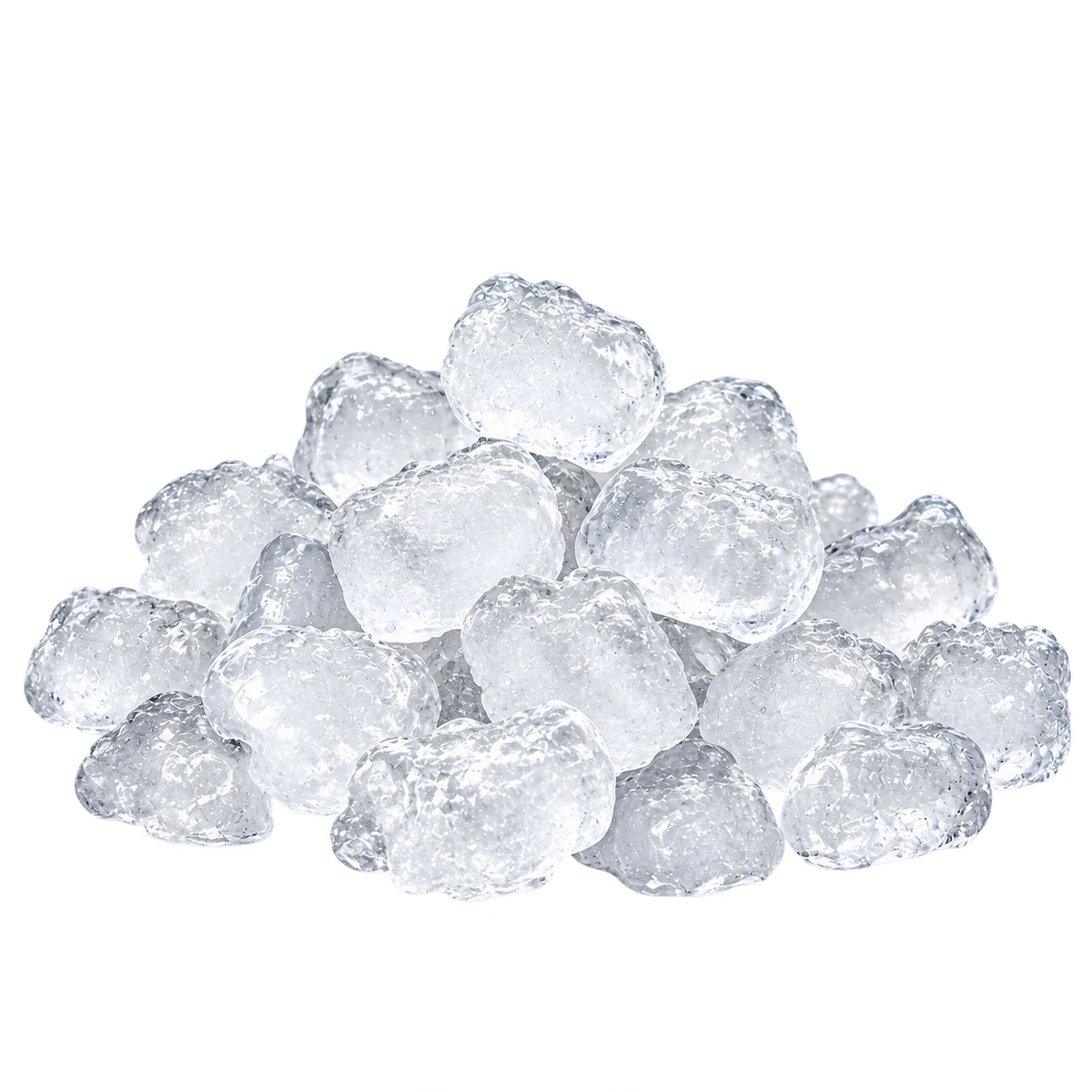
The ICES nugget ice reference shows small, separate irregular pieces. Check a current sample alongside your drink recipe, cup and serving method before deciding whether this format suits your operation.
Check the Cup and Ice Portion
Use the cup sizes your team actually serves. Weigh the usual ice portion and review how the pieces sit with the drink, lid and serving accessories rather than judging from a photograph alone.
Review Counter Refill Patterns
Describe the number of active stations and how staff replenish each ice well. Short bursts of orders may draw heavily on ice already available before the next refill.
Confirm the Product Format
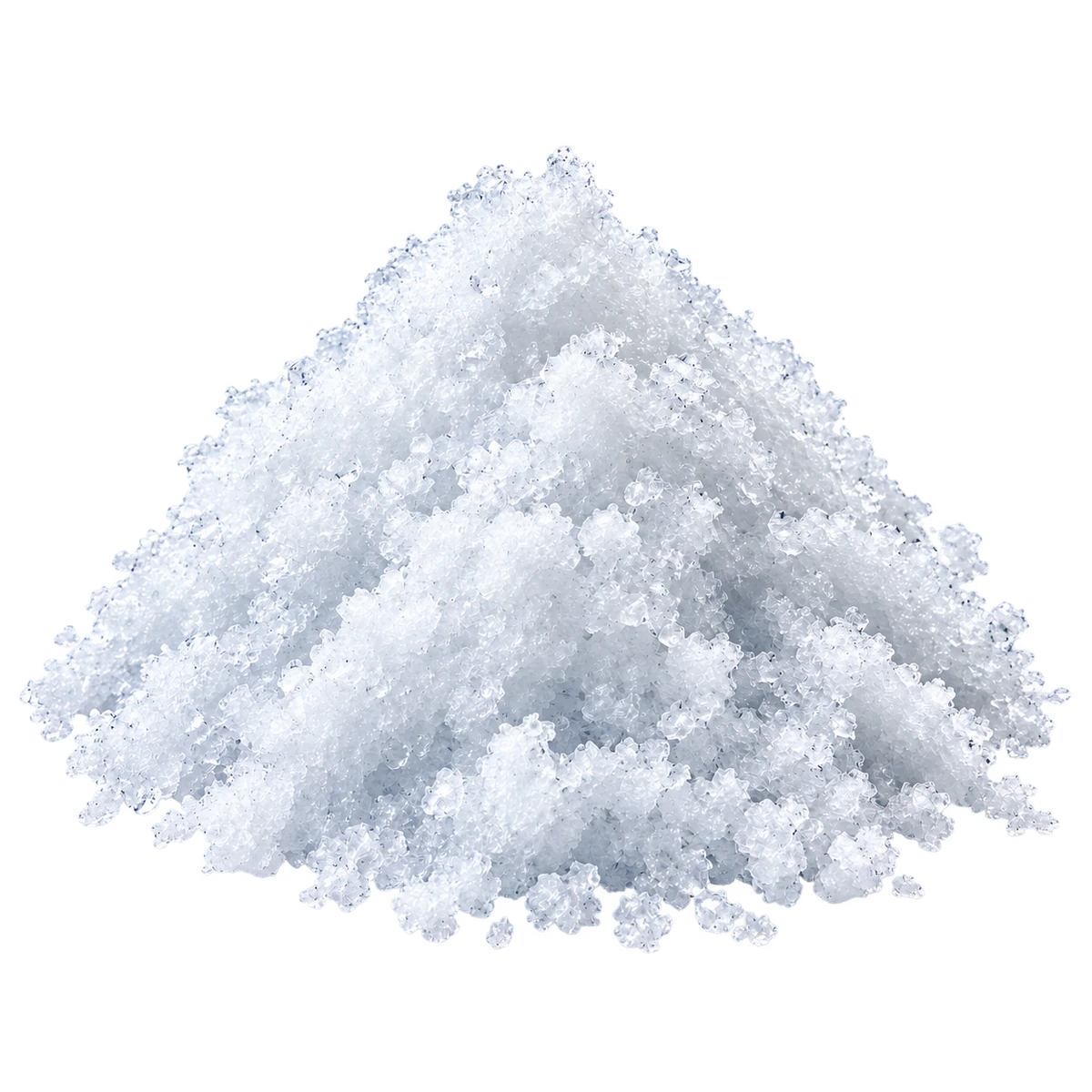
Nugget is a separate catalog series from snow and flake. Request the actual piece format for the model under review; a generic nugget label does not establish texture or dimensions.
Compare Four ICES Nugget Ice Models
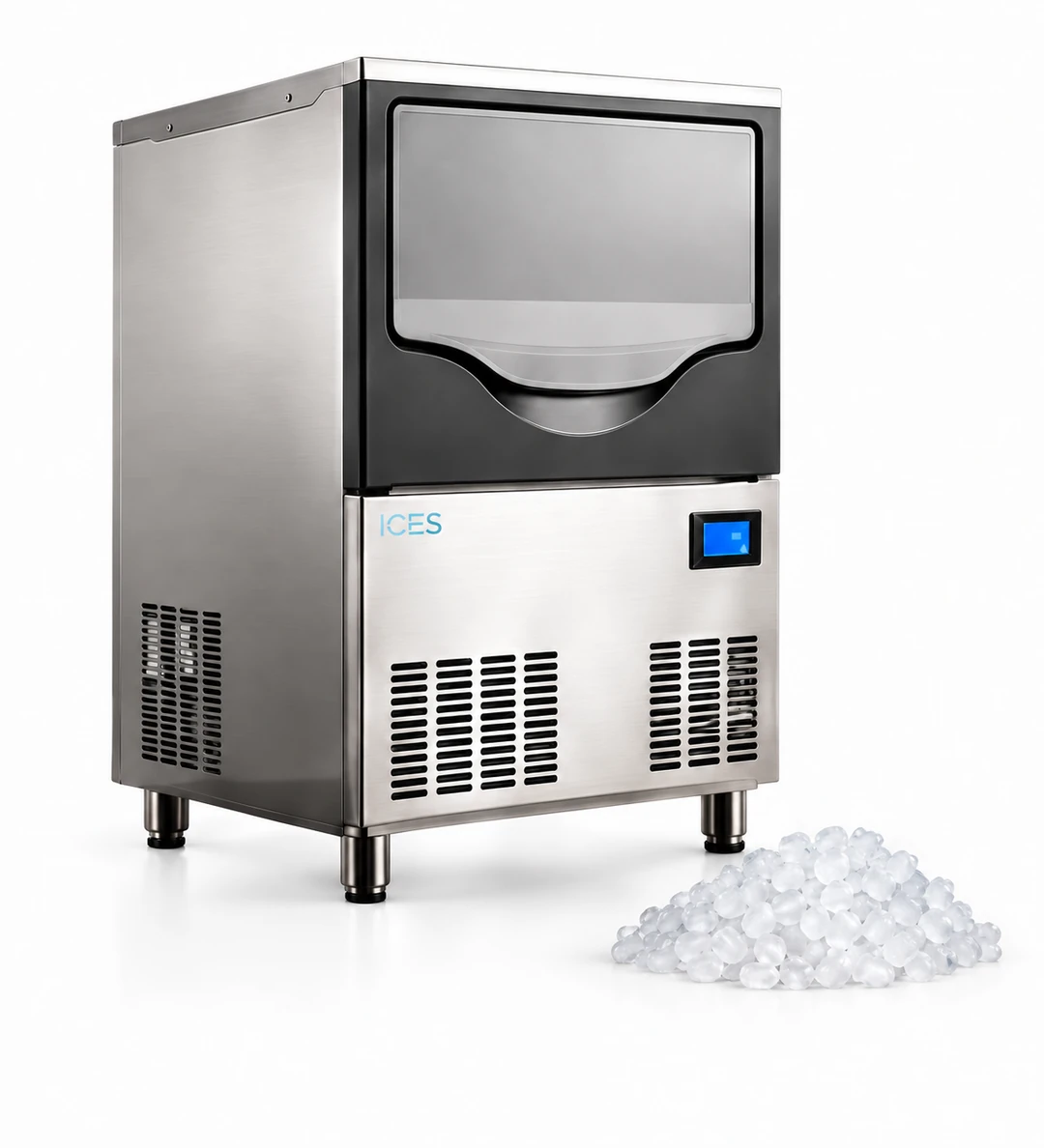
The catalog range runs from 60 to 500 kg/24h across four models. Use the output figures as a starting point, then discuss serving demand, storage and installation conditions.
Series image shown for reference. Confirm the selected model’s appearance and configuration with ICES.
Daily output is nominal production over 24 hours, not stored ice. Model numbers are identifiers; read the output column and request the relevant rating conditions and bin capacity.
Translate Drink Orders Into an Ice Service Pattern
The number of drinks alone is not a complete ice demand estimate. Cup sizes, recipe portions, refills and the timing of orders all affect the amount staff draw from the ice supply.
Weigh the ice used in representative drinks and multiply by expected servings, keeping units consistent. Record when those servings occur and add other uses separately so the same demand is not counted twice.
Small-piece ice can fill a cup differently from larger cubes. Compare with the actual sample and a weighed recipe rather than assuming equal cup volume means equal ice mass.
Compare Portions Before Scaling Beverage Demand
Check
What the result tells you
Weigh each regular cup portion.
What the result tells youCreates a mass-per-serving basis for demand.
Try the actual lid and serving accessories.
What the result tells youIdentifies fit and handling issues before standardizing a recipe.
Separate rush demand from daily demand.
What the result tells youConnects portions with ready stock and refill timing.
Piece appearance alone does not verify texture, chewability or suitability for a specialist use. Define any such requirement and evaluate it separately with ICES.
Compare equipment against the way orders are prepared and handed over. Each setting brings its own portion, timing and refill questions.
Fruit Tea and Café Service
Test a sample in your usual takeaway cups with the intended lid and serving accessories. Record demand by cup size and describe the order rush, machine location and refill route. Confirm the actual ice format before standardizing a recipe around it.
Include refills as well as first drinks when describing demand. Note whether several team members draw ice at once and whether lunch and dinner create separate peaks. Review ready-to-use storage and how the beverage station is replenished.
Compare the small pieces with the drinks and glassware you intend to serve. Keep preparation use separate from ice served to customers, and explain how many stations operate together. Ask for the selected equipment’s output conditions and storage information.
Share your destination market, selected models, order quantity and branding requirements. Request the proposed equipment’s specifications, appearance, packing information and applicable documents before agreeing the range.
The catalog lists ICES-120 at 60 kg/24h, ICES-300 at 150 kg/24h, ICES-700 at 300 kg/24h and ICES-1000 at 500 kg/24h. Read the nominal output column for the nugget series rather than inferring capacity from a model name.
How should I compare nugget ice with cube ice?
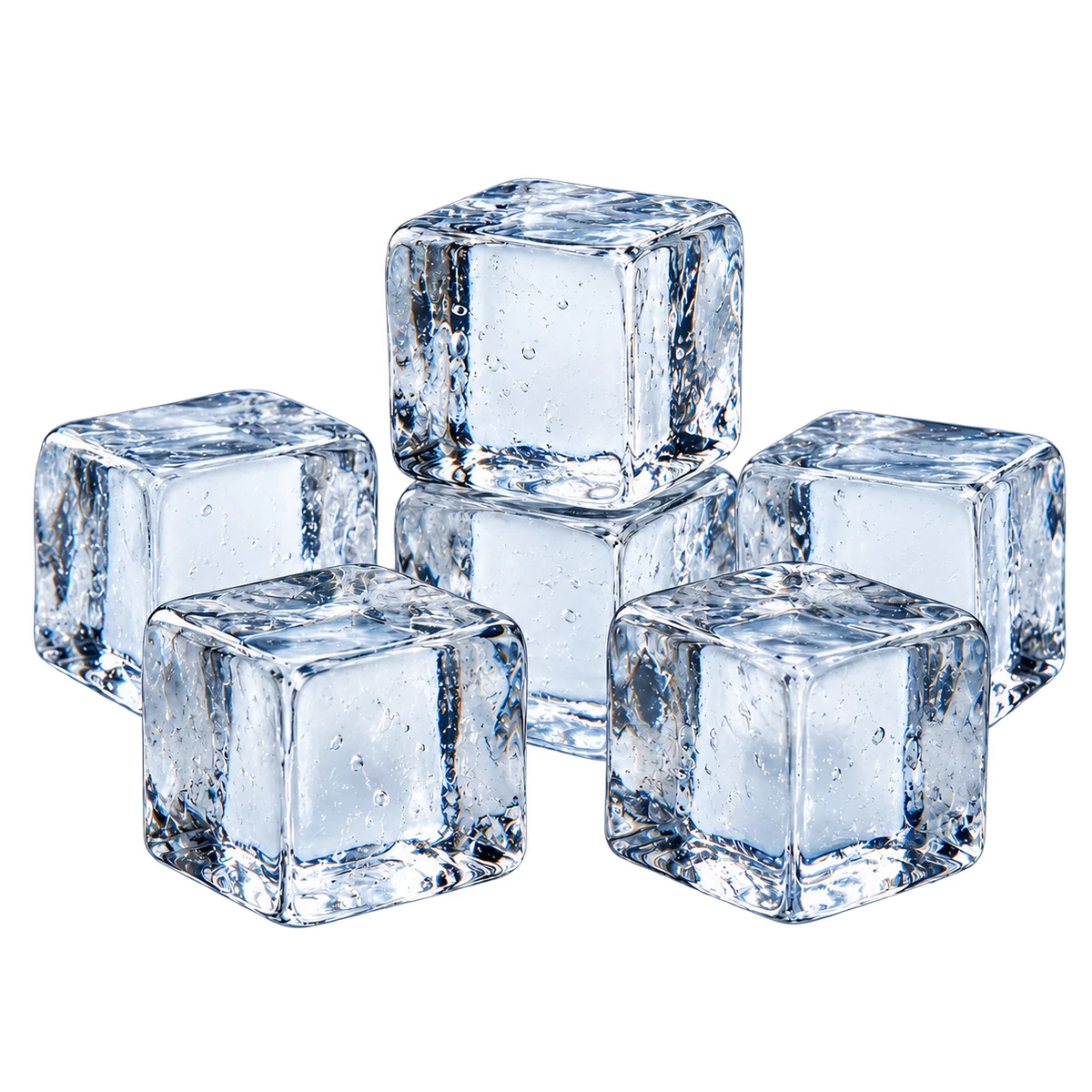
Compare the actual samples in the same cup, recipe and serving process. Nugget pieces have a smaller irregular form, while cube ice has a square-edged form. Confirm available dimensions and equipment details for each series before deciding.
How can I check the texture and piece size?
Request a current sample image and available piece dimensions for the proposed equipment. Explain any texture requirement and ask ICES how it can be checked with a representative sample before you finalize your choice.
How much ice does my takeaway counter need?
Weigh the ice portion in each common cup size and multiply it by the expected ice-using servings. Include refills or other uses separately and record the peak period. Review the result alongside production conditions, storage and refill access before choosing a model.
Can a daily output rating be used as an hourly refill guarantee?
No. The catalog gives a nominal 24-hour production figure. Ask for the selected model’s operating information and discuss the amount stored before the rush, the service window and expected installation conditions.
What information helps ICES prepare a quotation?
Share your country, intended drinks service, cup sizes, demand if known, preferred model and order quantity. Include the available space and utility information so detailed specifications and a proposed configuration can be discussed.
Find the Right Nugget Ice Machine for Your Project
Tell us how you plan to use nugget ice, when it is needed and where the equipment will be installed.
Request model specifications, discuss storage and installation, or ask for a quotation for your proposed order.