Solid cylindrical ice for beverage service. Compare four ICES models and match the ice sample, production range and equipment layout to your operation.
Catalog nominal daily production. Request rating conditions, an ice sample and the selected model’s configuration before ordering.
Solid Cylindrical Ice Made as Separate Pieces
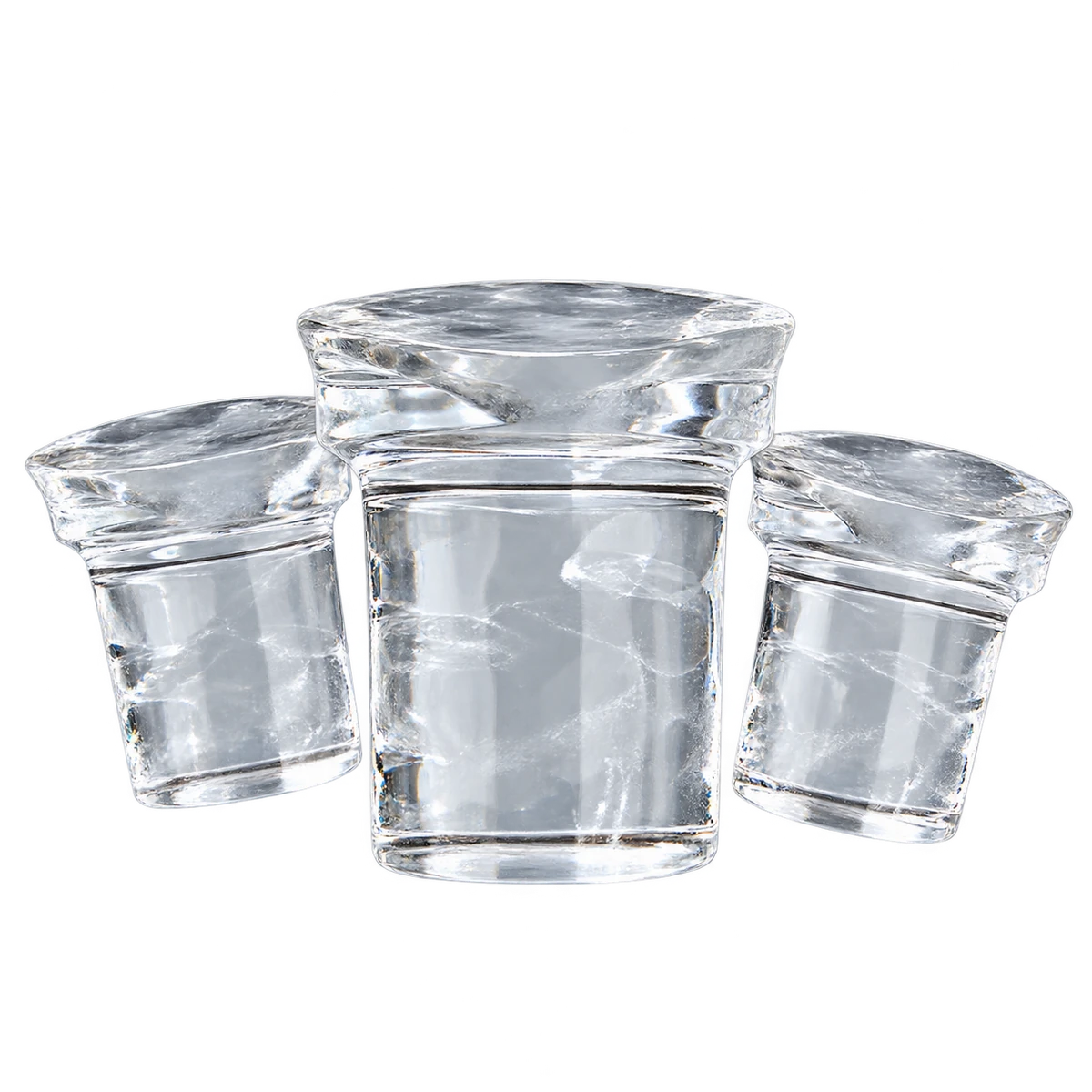
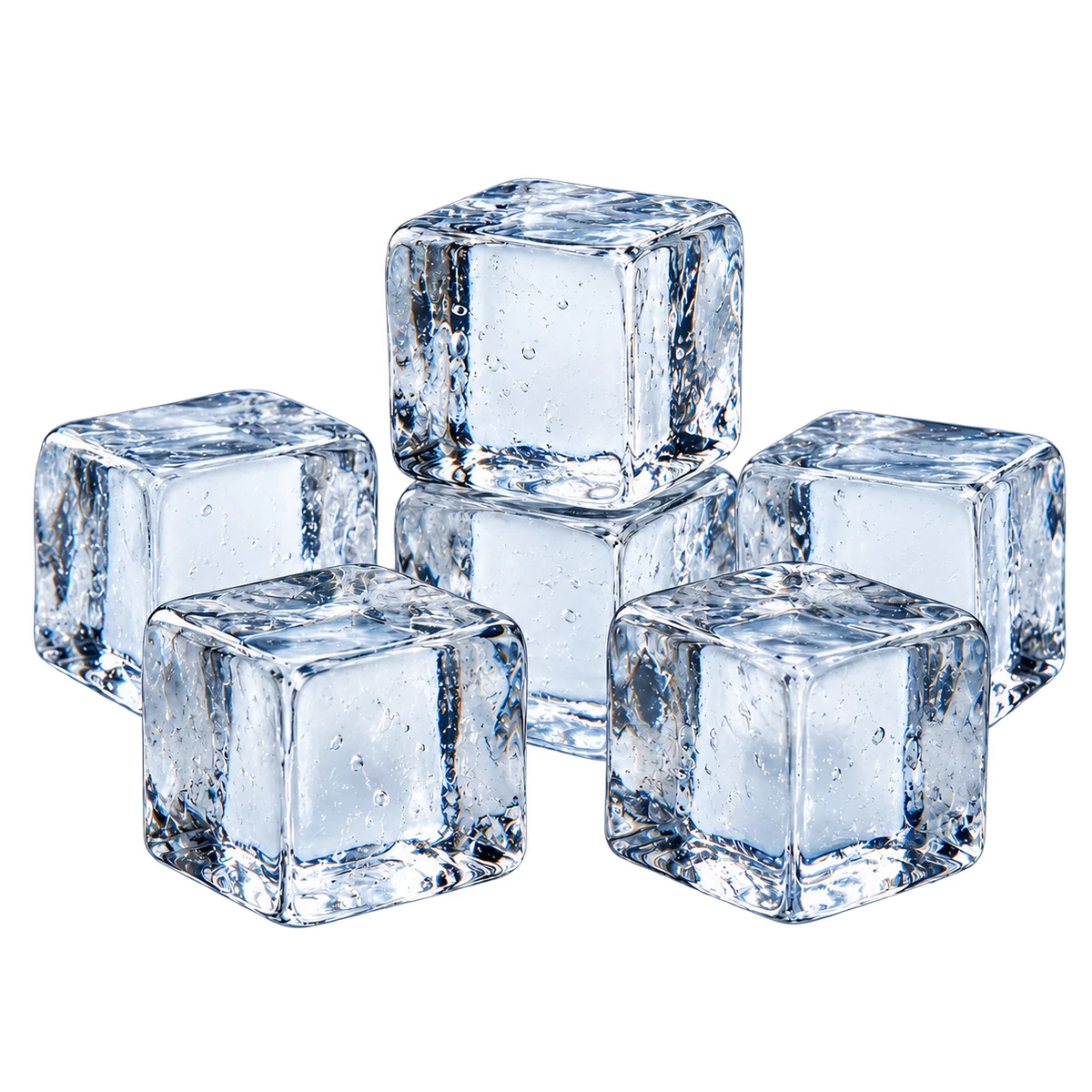
The ICES cylindrical ice reference is a solid, individually formed piece with no central opening. Its rounded body and broader top shoulder give it a different presentation from square cubes and half-cylinder crescent ice.
Start With the Actual Shape
Use a representative sample to check the solid body, top profile and overall size. The reference is not hollow tube ice; a name or a generic search image is not enough to identify the piece your equipment will produce.
Try It in Your Glassware
Check the ice in your normal cups and glasses alongside the drink portion. Review how staff scoop and serve separate pieces, and whether the combination suits your counter and presentation.
Confirm the Selected Equipment
Ask ICES for a current sample image and the available ice dimensions for the proposed model. Confirm the format before ordering rather than assuming all cylindrical machines have the same ice size.
Compare Four Cylindrical Ice Machine Models
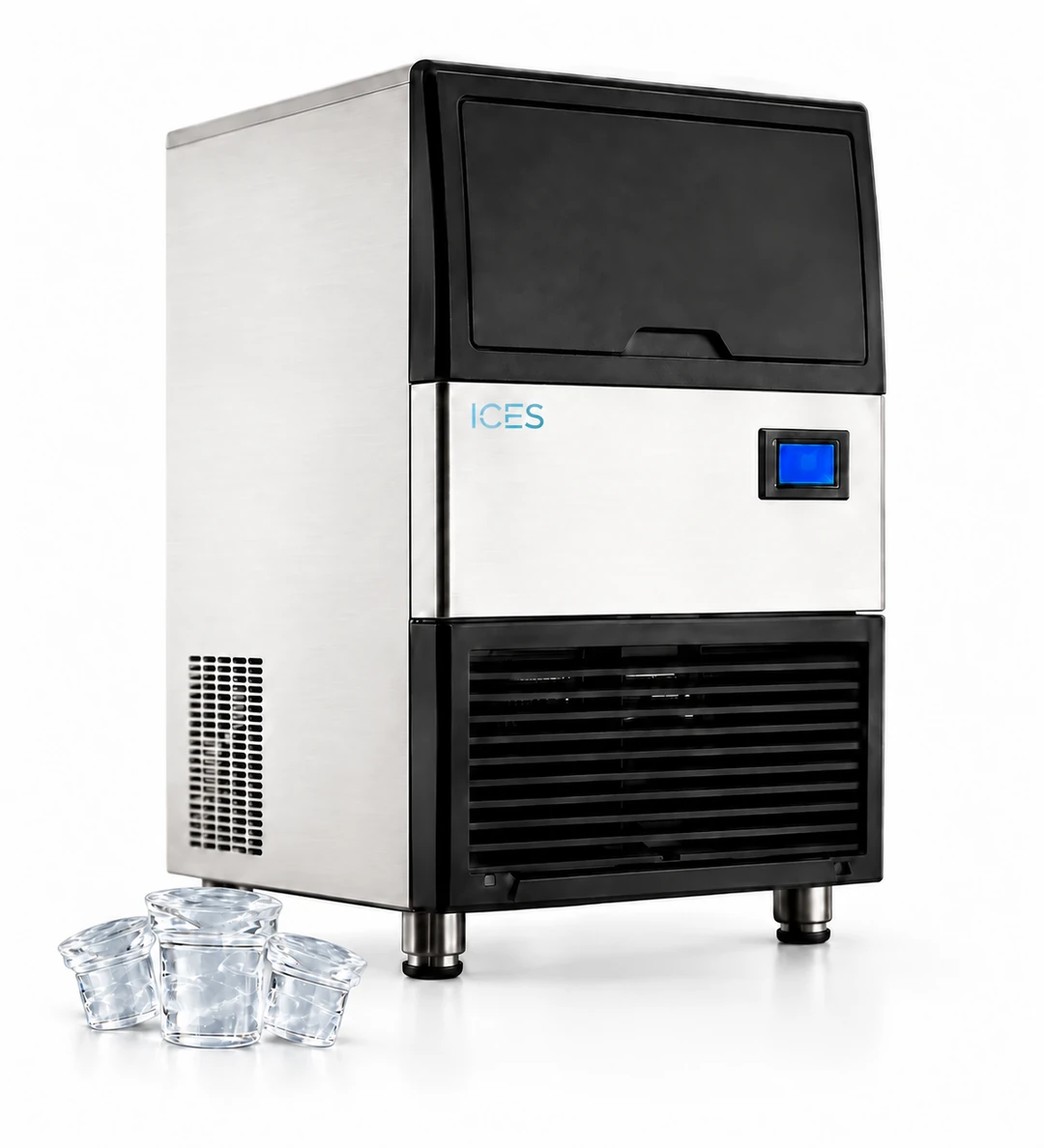
The catalog lists four cylindrical models from 70 to 450 kg/24h. Use the rated daily output to build a shortlist, then review demand, storage and site conditions with ICES.
Series image shown for reference. Confirm the selected model’s appearance and configuration with ICES.
Daily output is nominal production over 24 hours, not stored ice. Model numbers are identifiers; read the output column and request the relevant rating conditions and bin capacity.
A familiar model number does not establish that two machines make the same ice. When replacing equipment, share a clear photo of the ice from above and from the side, along with the existing machine label.
Once the desired format is confirmed, describe how much ice is served and when it is needed. A short restaurant rush and steady daytime tea service place different demands on ready-to-use storage.
Identify a Solid Cylinder Before Comparing Machines
Use the actual ICES ice reference: a separate solid piece, a broader top shoulder and a rounded, slightly tapered body. A generic cylinder search image may show a different product.
Identify a Solid Cylinder Before Comparing Machines
Check
What the result tells you
Top and side views beside a scale reference
What the result tells youDistinguishes the solid piece from hollow tube ice.
Same glass, recipe and weighed portion
What the result tells youTests the serving fit without assuming an adjustable ice size.
Use these comparisons to narrow a shortlist. Exact dimensions, storage, electrical versions and rating conditions remain model-specific.
Bring your own serving process into the comparison. Glassware, order timing and sample expectations help define a useful equipment brief.
Tea Shops and Drink Counters
Compare the solid cylinders with the cups, tea recipes and serving portions your team uses. Note takeaway and dine-in demand separately, then describe the busiest ordering window and the space available for machine access and ice handling.
Record the drinks and refills that actually use ice. If several stations draw from one supply, include their overlapping service times. Check the route between the machine, storage and the water station before settling on a production range.
Provide a reference piece or clear photographs when defining a cylindrical ice range for your market. Confirm the proposed model, ice dimensions, appearance and supporting specifications together so the product description matches the equipment being offered.
Planning a Cylindrical Ice Distributor or OEM Range
Share your destination market, selected models, order quantity and branding requirements. Request the proposed equipment’s specifications, appearance, packing information and applicable documents before agreeing the range.
No. The supplied product reference is individually formed solid cylindrical ice with no central hole. Review the actual sample and confirm the selected equipment’s ice format with ICES rather than substituting an image of hollow tube ice.
Which models and daily outputs are listed?
The catalog lists ICES-150 at 70 kg/24h, ICES-280 at 120 kg/24h, ICES-500 at 200 kg/24h and ICES-1000 at 450 kg/24h. Model names are identifiers; the output column gives the nominal daily production for this series.
Can every model make the same cylinder size?
Ask for the available ice dimensions and format of the specific equipment you are considering. Share your reference sample and glassware. This overview does not imply that all models offer an identical size or an on-site size adjustment.
How does cylindrical ice differ from crescent ice?
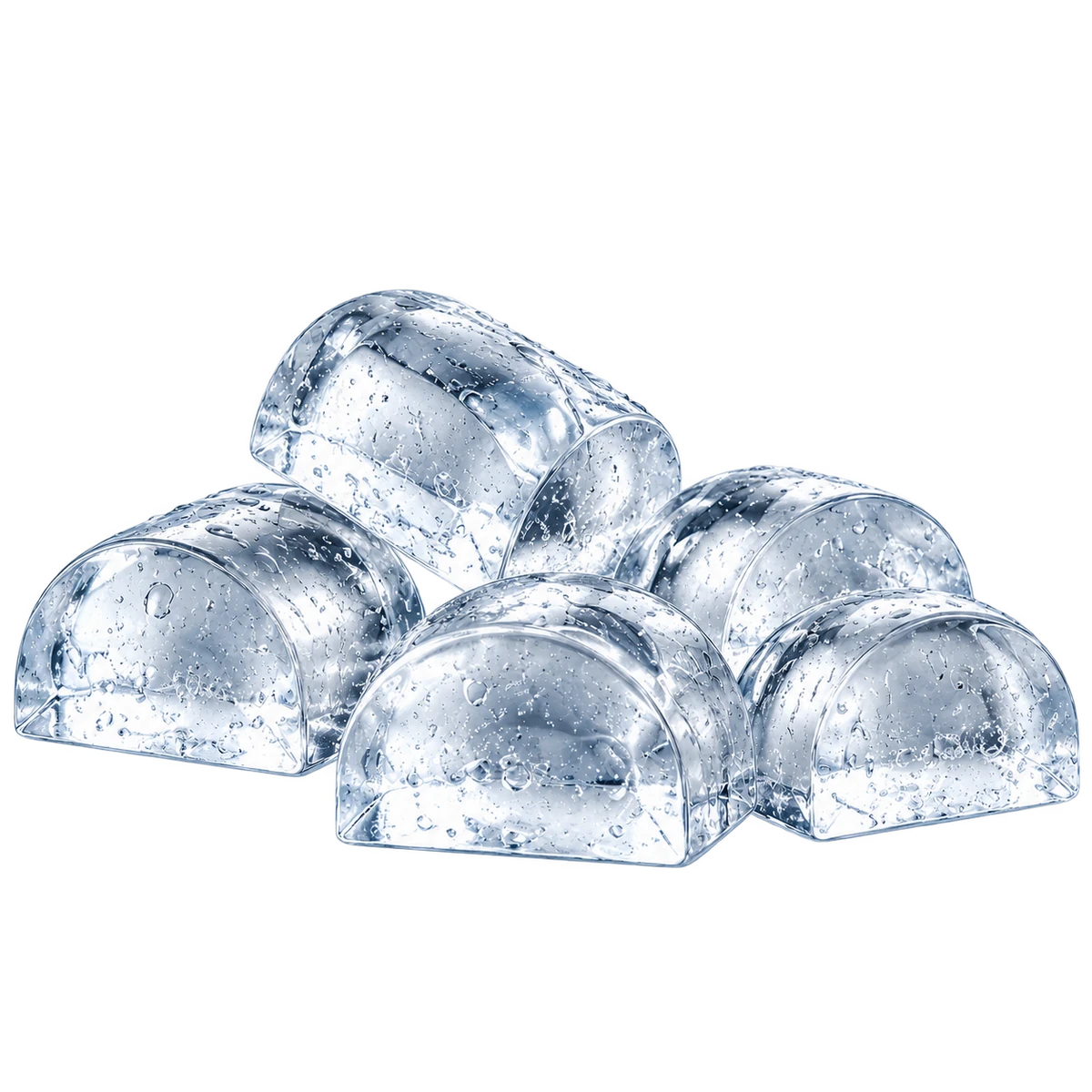
The cylindrical reference is a solid rounded piece with a broader top shoulder. Crescent ice is a solid half-cylinder with a curved top and flat base. Compare representative samples in your own drinks rather than choosing by the series name alone.
What should I send when replacing a machine?
Send the existing machine label, photographs of the ice, the available space and any supply shortfall. Include the water, drain and power arrangement so the proposed replacement can be checked against the site and your current demand.
Can ICES help choose a model before providing full specifications?
Yes. Share the ice sample you want, your service pattern, country and any known demand. ICES can discuss the relevant models and provide the detailed specifications, proposed configuration and quotation for your project.
Find the Right Cylindrical Ice Machine for Your Project
Tell us how you plan to use cylindrical ice, when it is needed and where the equipment will be installed.
Request model specifications, discuss storage and installation, or ask for a quotation for your proposed order.