Flake ice equipment for seafood displays and preparation workflows. Compare three ICES models and plan output around your display area, replenishment and installation site.
Catalog nominal daily production. Request rating conditions, an ice sample and the selected model’s configuration before ordering.
Recognize the Thin Sheet Form of Flake Ice
Flake ice has a thin, irregular sheet-like form. Start by checking the actual texture and the way it is handled in your display or preparation process before comparing machine capacities.
Review the Display Bed
Describe the counter area and intended bed depth, then check a representative sample in the actual display arrangement. Surface area alone does not establish the mass of ice needed.
Plan Handling and Replenishment
Follow the route from production and storage to the display. Scoop access, transfer containers and the timing of top-ups help define how the equipment will fit the daily workflow.
Keep Ice Types Distinct
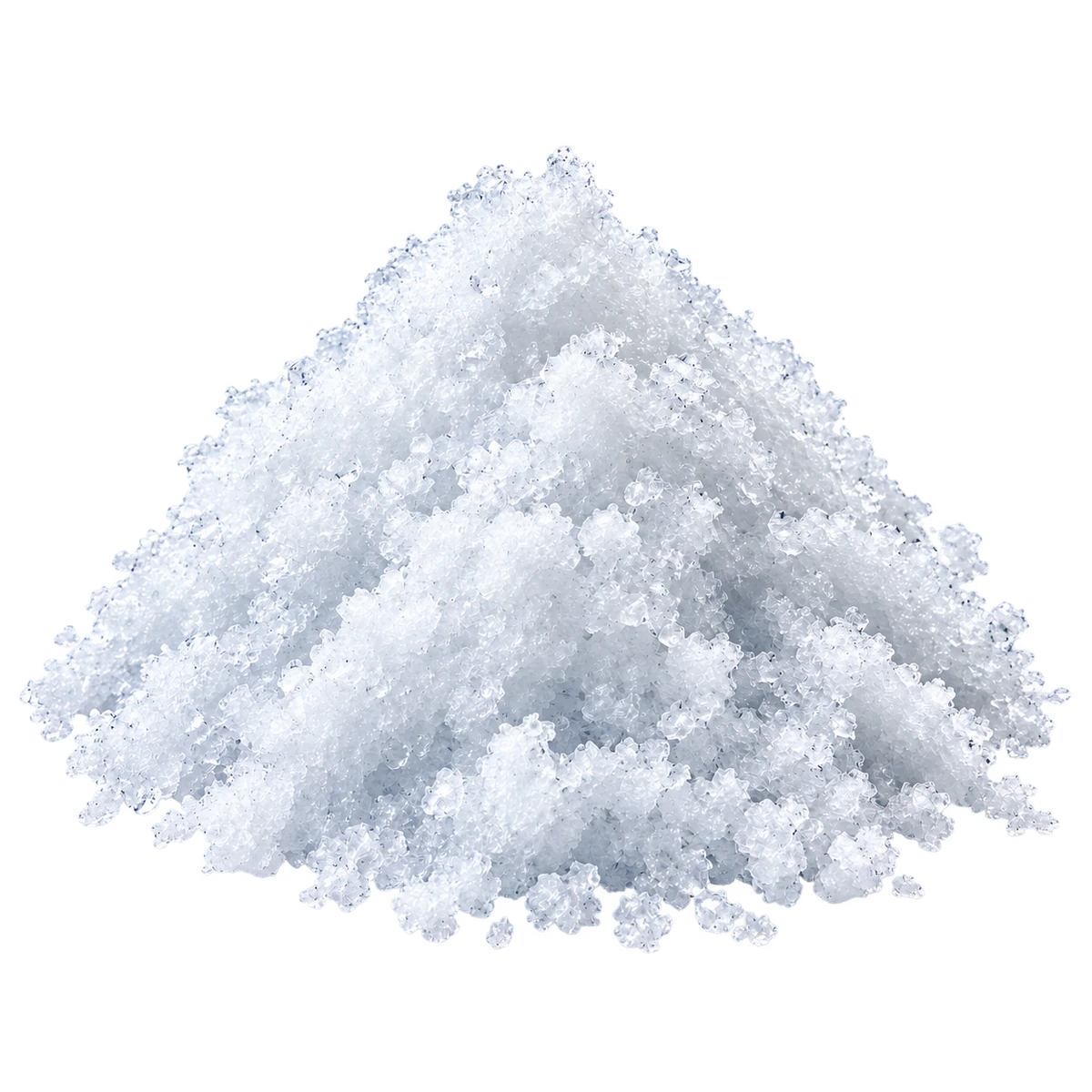
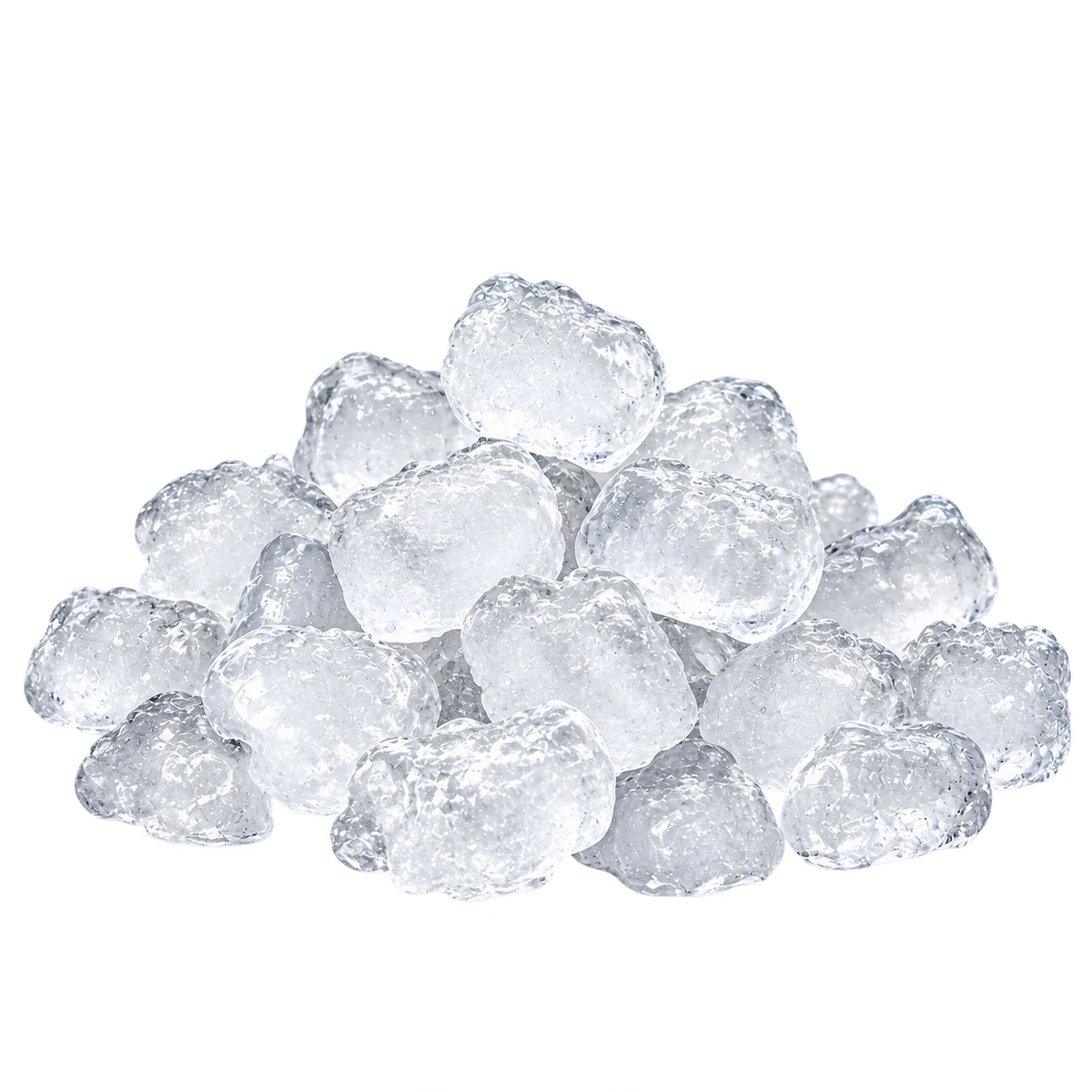
Thin flakes are different from fine snow-like grains and separate nugget pieces. Confirm the required form with a sample instead of treating these three series as interchangeable.
Compare the ICES Flake Ice Machine Range
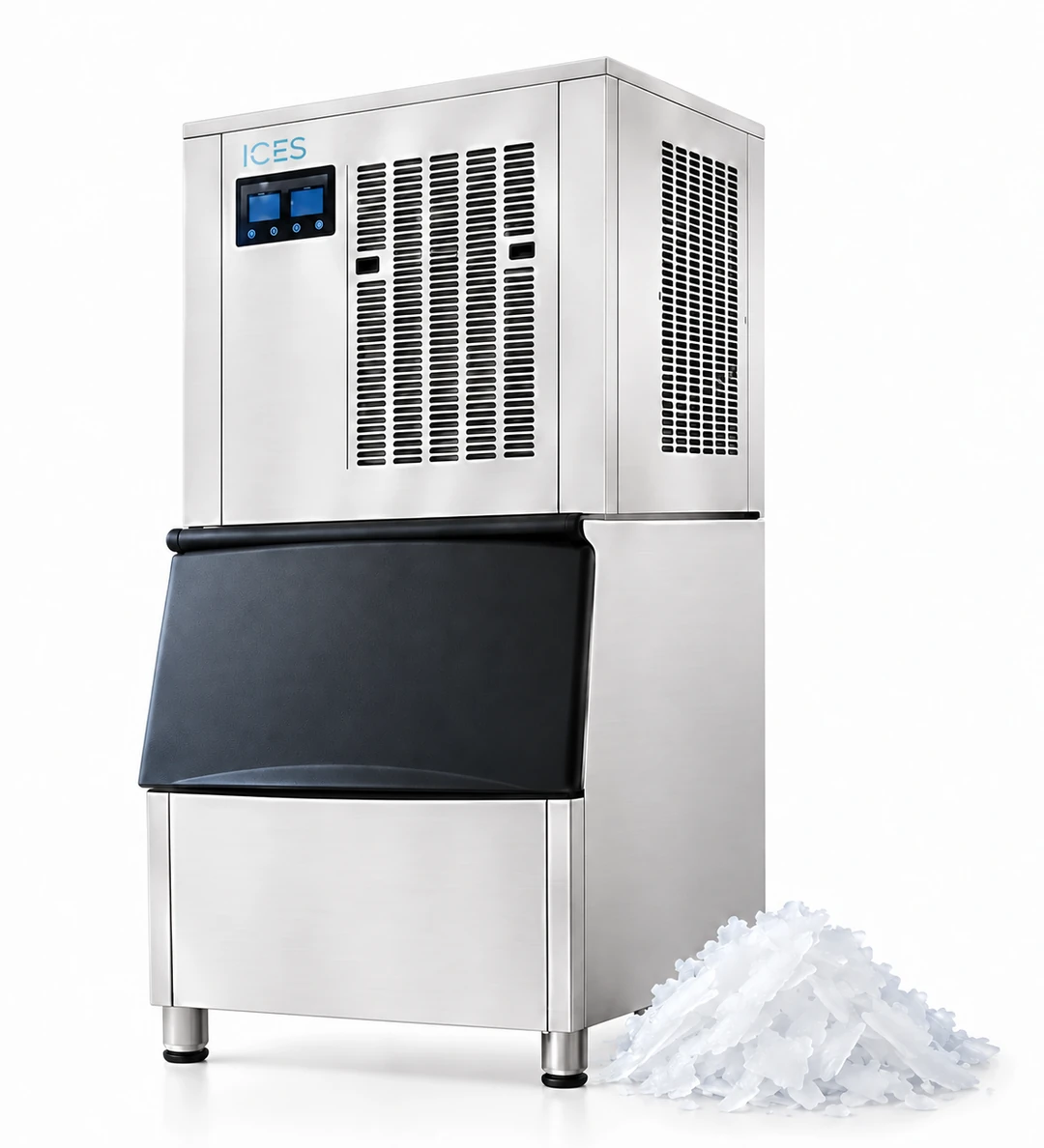
Three catalog models cover nominal production from 300 to 1000 kg/24h. Compare these figures with the opening fill, top-ups and other uses in your operation.
Series image shown for reference. Confirm the selected model’s appearance and configuration with ICES.
Daily output is nominal production over 24 hours, not stored ice. Model numbers are identifiers; read the output column and request the relevant rating conditions and bin capacity.
A display may need a substantial amount of ice before opening, followed by smaller replenishments during service. Recording only a daily total can hide the amount that must already be available at the start of the day.
Describe the display footprint, intended ice arrangement and replenishment schedule. Review those details alongside the proposed production conditions, storage arrangement and handling route.
Record ice by task and time. The first fill must be ready before opening, while later top-ups may occur during production. Adding everything into one daily total hides that difference.
Build a Display-Fill Record
Record separately
Useful measurement
Opening display fill
Useful measurementWeighed ice mass and required ready time
Each replenishment
Useful measurementAdded mass, time and counter identification
Other preparation uses
Useful measurementSeparate batches to avoid double-counting display ice
Weigh a representative fill instead of converting bed volume into ice mass using an assumed density. Plan usable storage and machine output separately from the display’s own drainage and operating procedures.
Different work areas raise different questions about bed size, replenishment and moving ice. Share your actual process when requesting equipment advice.
Seafood Market Displays
List the display beds that need filling before opening and note their replenishment times. Include where staff load and carry ice and how the counter is drained. Equipment selection should be considered alongside the operation’s own display and handling procedures.
A broad counter and a long trading day require a clear top-up plan. Share the usable display footprint, staffing pattern and the distance from the ice supply. If several counters share production, record when each one draws ice.
Describe the pans, preparation tasks and batches that use flake ice. Keep preparation demand separate from any customer display requirement. Check the transfer route and space for routine cleaning and service around the proposed machine.
Share your destination market, selected models, order quantity and branding requirements. Request the proposed equipment’s specifications, appearance, packing information and applicable documents before agreeing the range.
The catalog lists ICES-700 at 300 kg/24h, ICES-1000 at 500 kg/24h and ICES-2000 at 1000 kg/24h. These are nominal daily production figures for the flake series, not bin capacities.
How do I estimate demand for an ice display?
Separate the opening fill from the ice added during the trading day. Record the bed dimensions and, where possible, weigh a representative fill. Include other displays and preparation tasks that share the supply, then discuss timing, storage and production conditions with ICES.
Are flake ice and snow ice the same?
They are separate catalog series. Flake ice has a thin sheet-like form; the snow reference has a finer granular appearance. Compare representative samples against your intended handling and display process before choosing equipment.
Does a 1000 kg/24h machine hold 1000 kg of ice?
No. The rating describes nominal production over 24 hours. The amount that can be stored is a separate specification. Ask for the proposed storage arrangement and review the ice needed before opening and between refills.
What should be checked around a seafood display installation?
Review the machine position, storage and transfer route, display drainage and working access. Request the selected equipment’s installation drawing, ventilation clearances, power, water and drain requirements and check them against the site.
Can I request specifications for more than one model?
Yes. Describe the display arrangement, opening fill, refill schedule and country. ICES can discuss the relevant production range and share detailed specifications for the shortlisted flake models.
Find the Right Flake Ice Machine for Your Project
Tell us how you plan to use flake ice, when it is needed and where the equipment will be installed.
Request model specifications, discuss storage and installation, or ask for a quotation for your proposed order.