
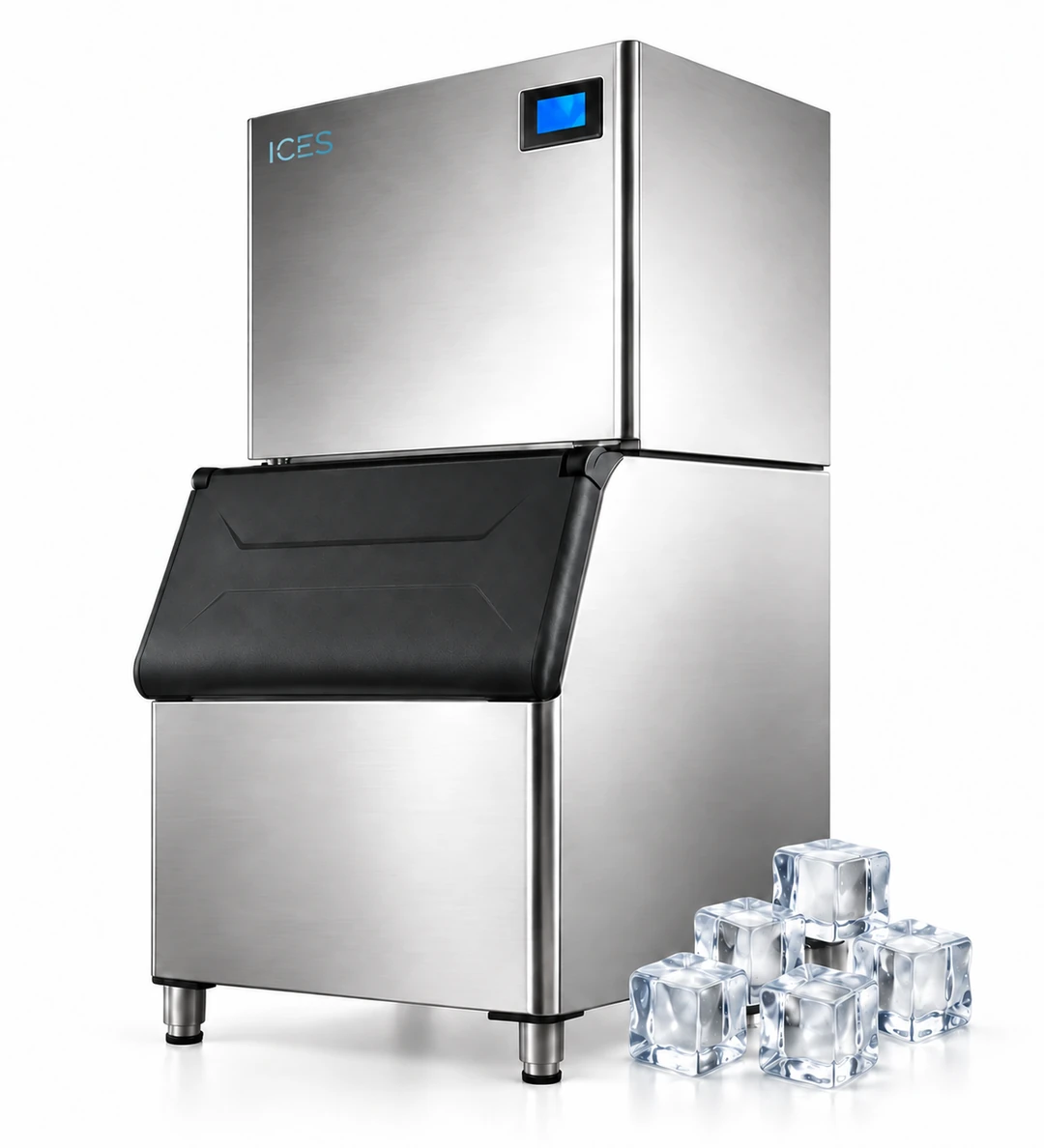
Cube Ice Machines
Clear cube-shaped ice for buyers comparing equipment for drinks and other catalog-listed applications.
60–1000 kg/24h
5 models
Explore SeriesExplore six ice machine series for your operation or product range. Compare ice types, review catalog-rated daily output and discuss the models that fit your requirements.
ICES works with distributors, importers, OEM brands and commercial buyers. Tell us what you need to produce, where the equipment will operate and how you plan to use the ice.
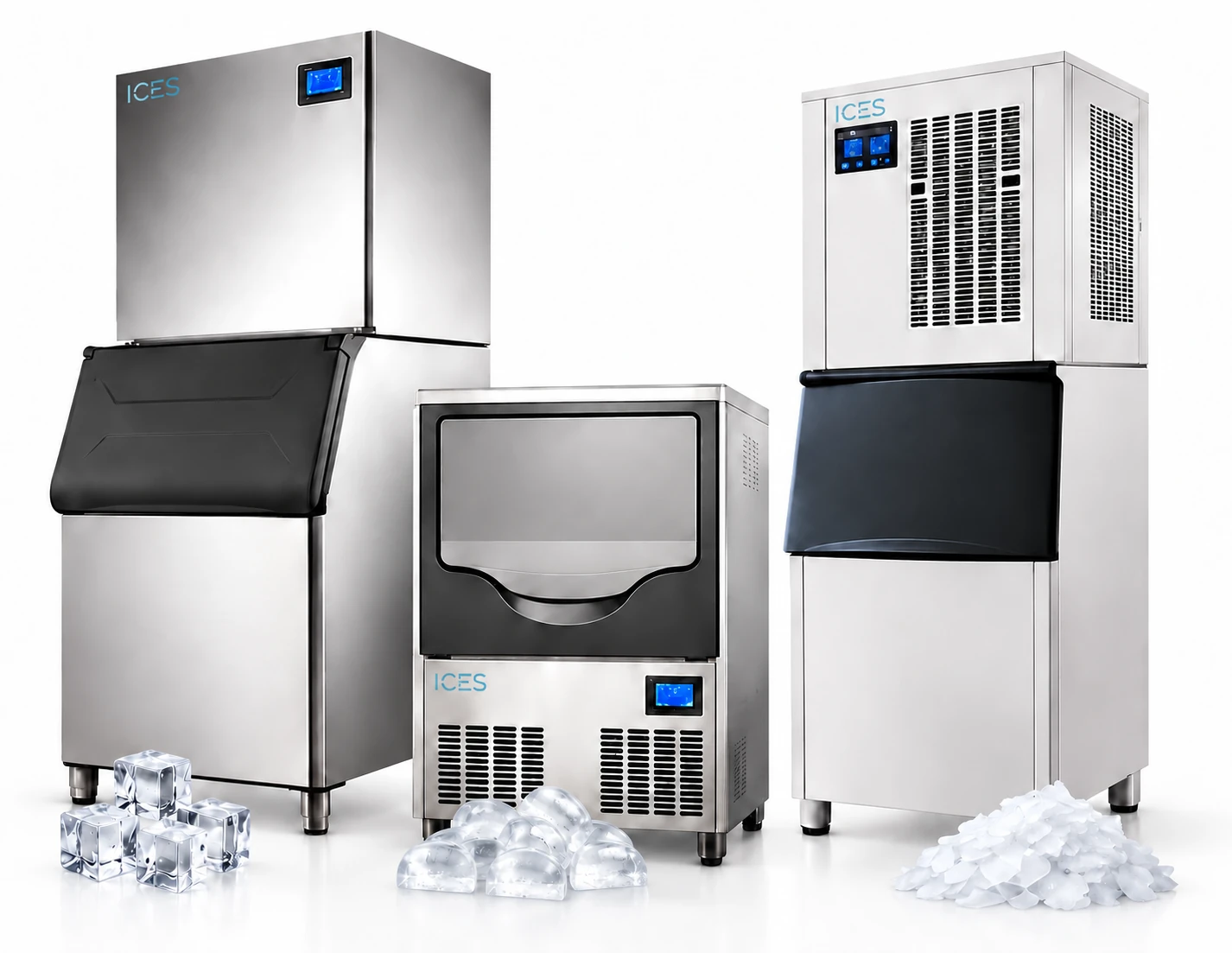
Start with the ice you want to serve or use. Each series below has its own model range. Open a series to learn more, or ask ICES to help you compare options.
Clear cube-shaped ice for buyers comparing equipment for drinks and other catalog-listed applications.
60–1000 kg/24h
5 models
Explore Series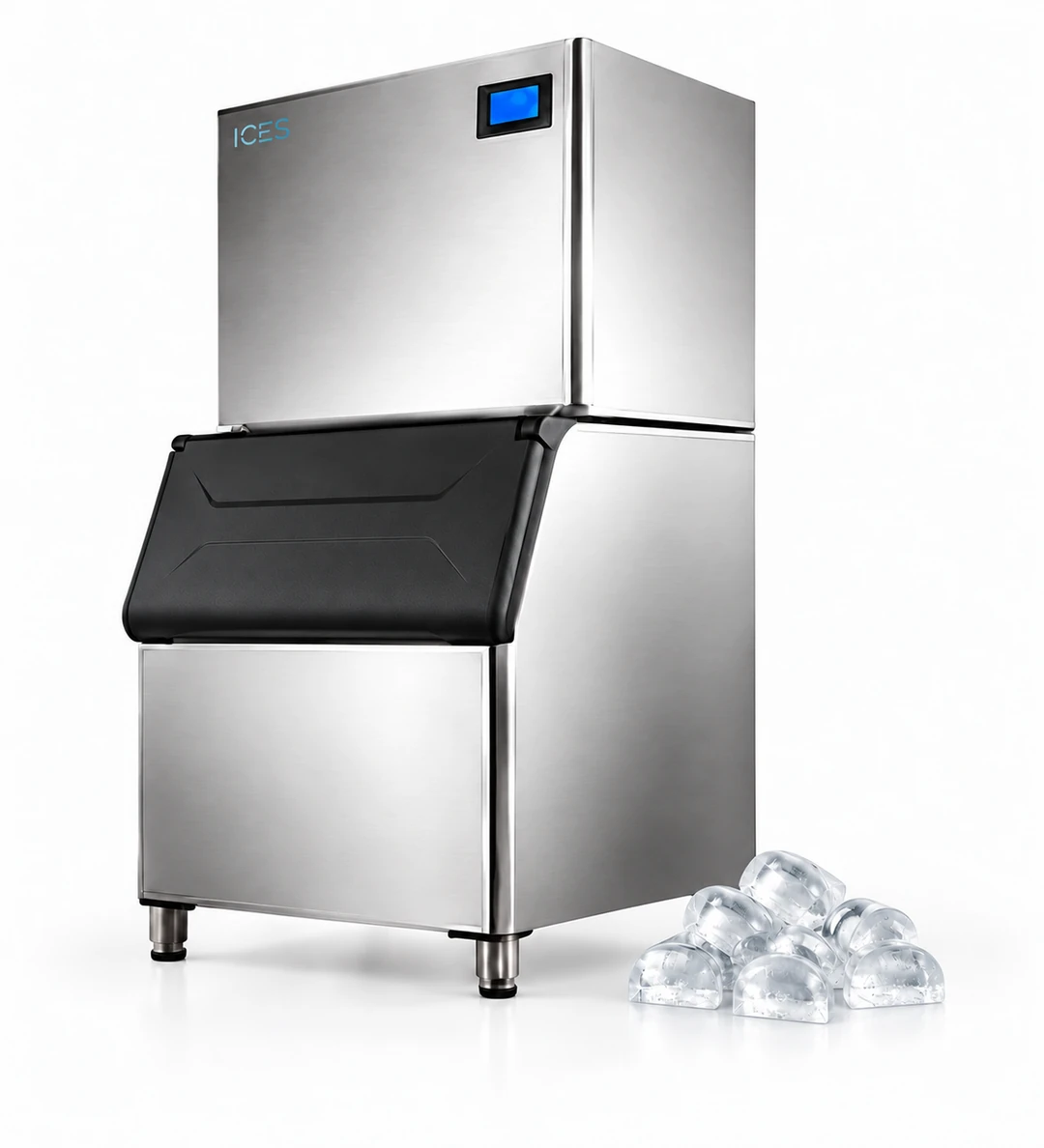
Solid, half-cylinder ice for buyers considering café, restaurant and beverage-service requirements.
120–450 kg/24h
3 models
Explore Series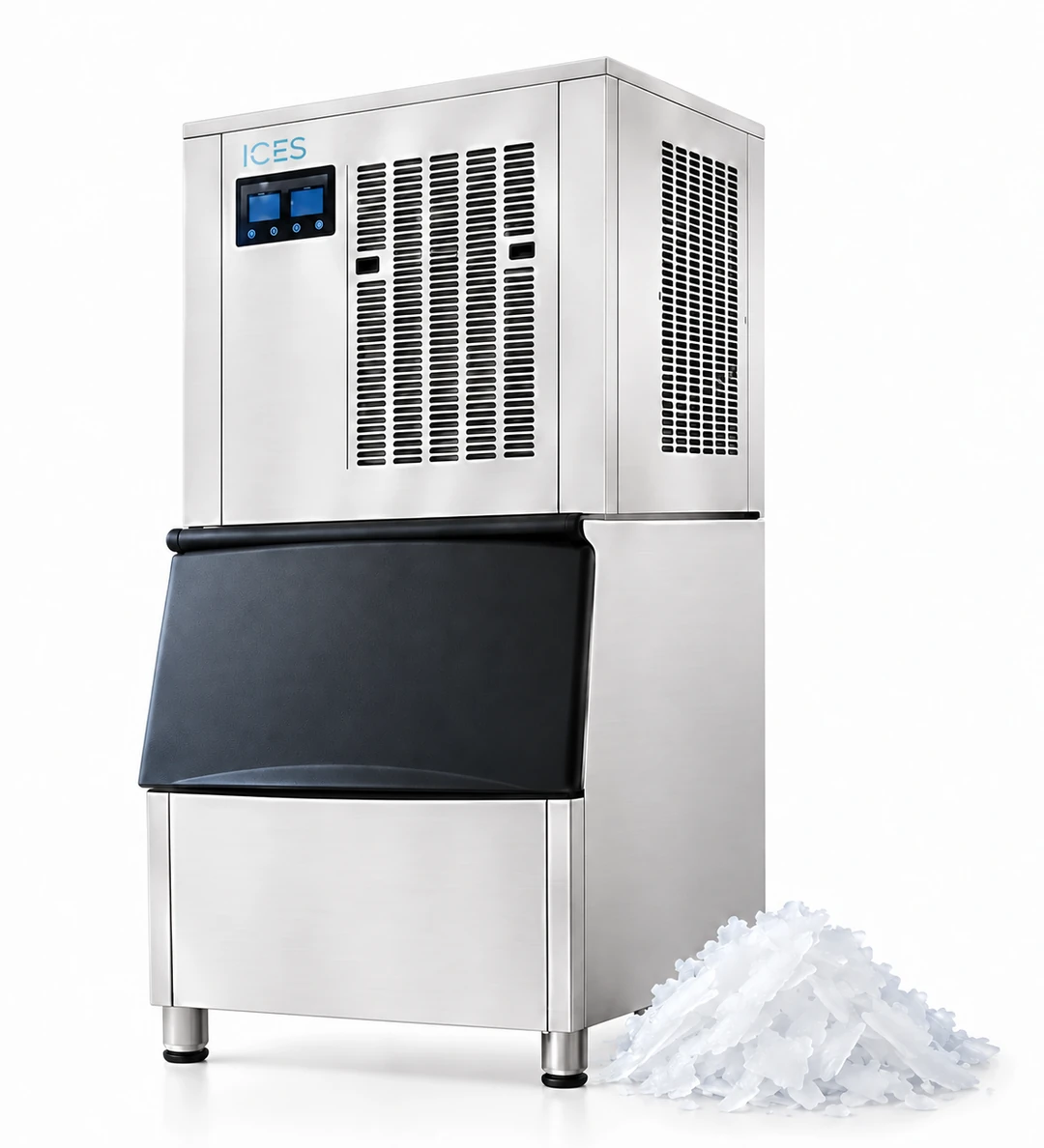
Thin, irregular ice flakes for buyers comparing food-display and other catalog-listed applications.
300–1000 kg/24h
3 models
Explore Series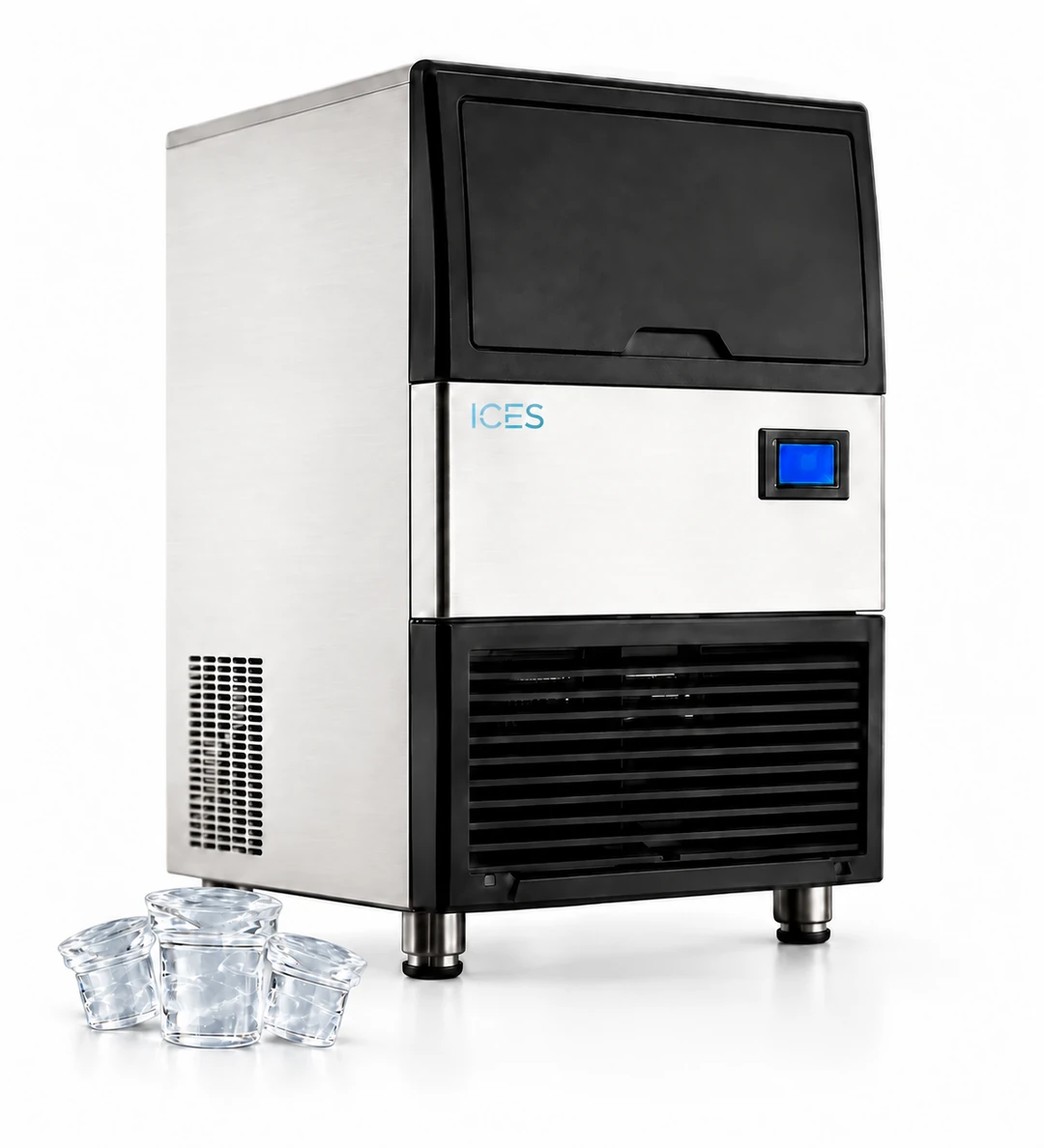
Individually formed solid cylindrical ice. Compare this distinct ice shape with cube and crescent options.
70–450 kg/24h
4 models
Explore Series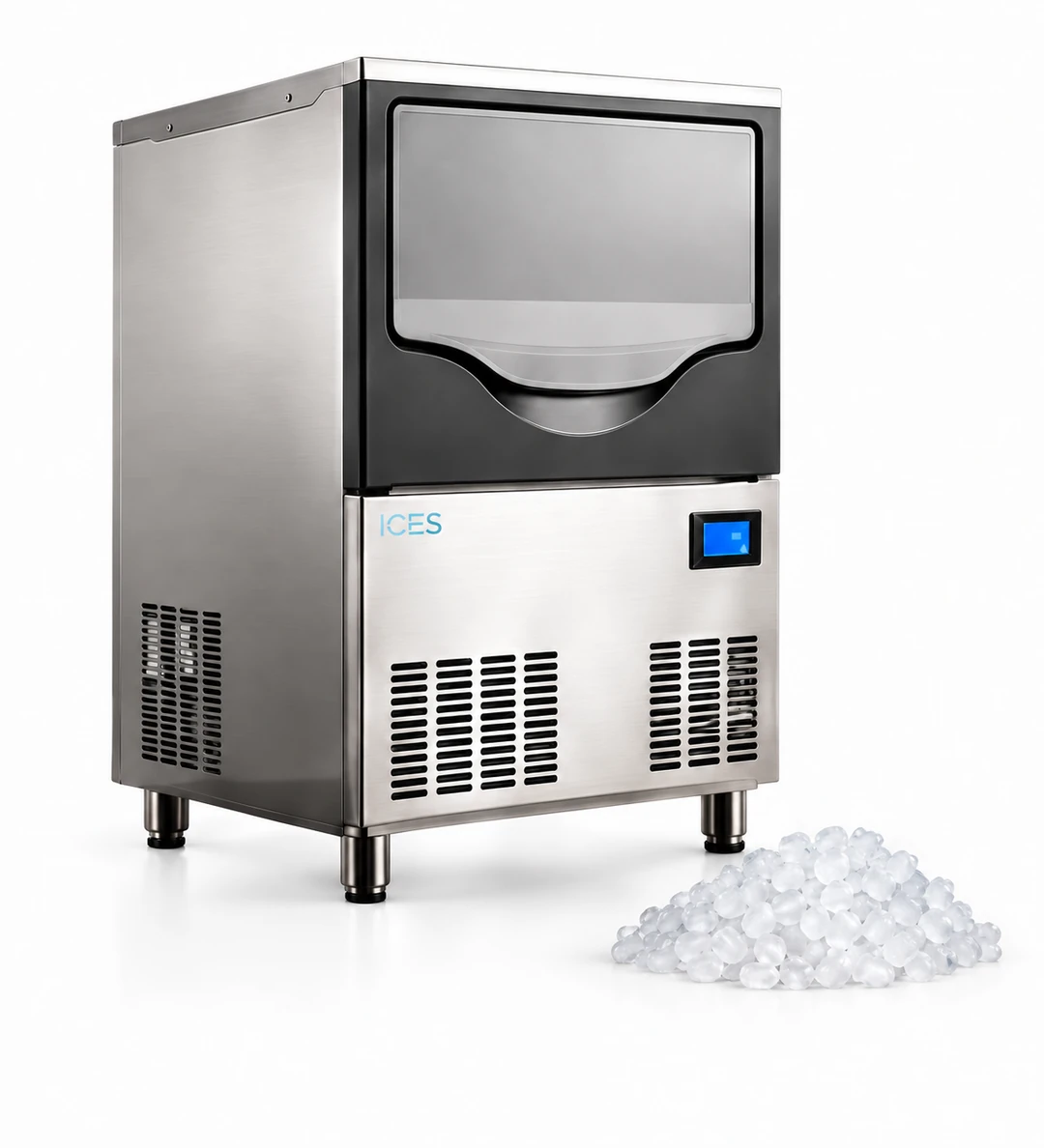
Small ice pieces with a different appearance from solid cubes. Explore the series for your serving requirements.
60–500 kg/24h
4 models
Explore Series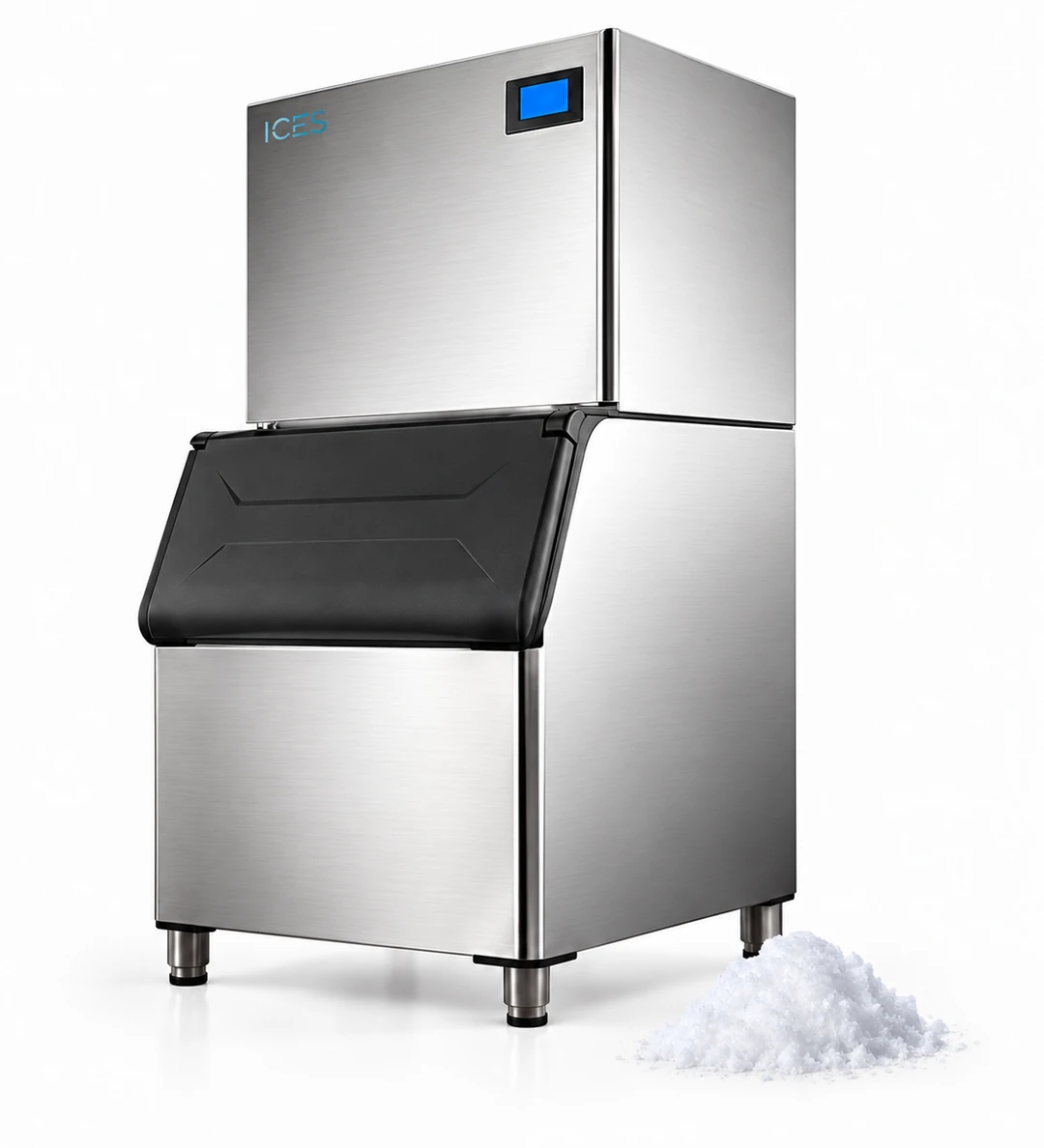
Fine ice with a snow-like appearance. Review the intended use with ICES when comparing it with flake or nugget ice.
60–500 kg/24h
4 models
Explore SeriesOutput figures are the nominal daily production values listed in the ICES catalog. Confirm the model, rating conditions and installation requirements when requesting a quotation.
Look at the ice itself before comparing machine capacities. Its shape, presentation and intended use will help you narrow the range. The questions below give you a starting point for discussing your requirements.
| Ice Type | Appearance | What to Consider |
|---|---|---|
| Cube Ice | 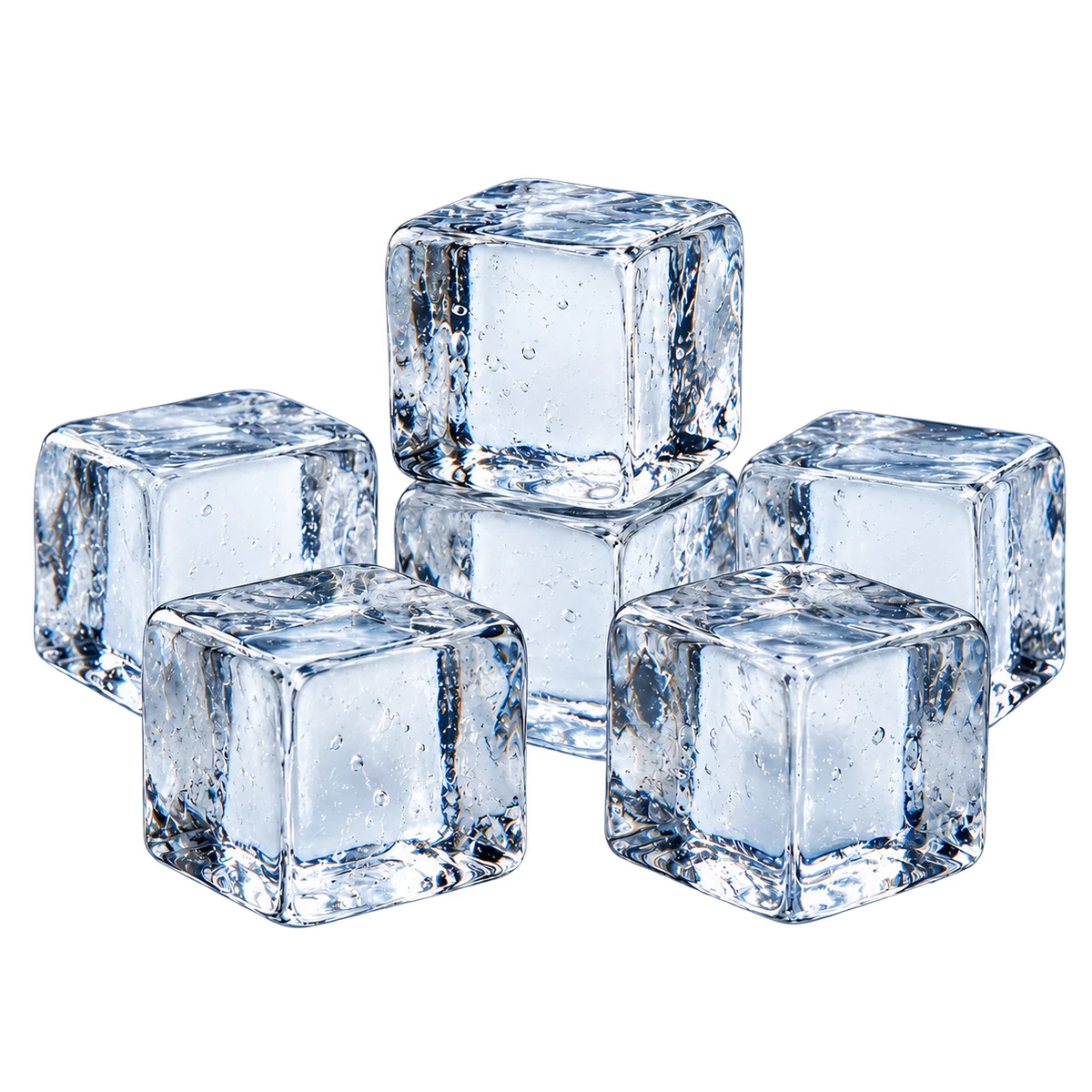 Clear, cube-shaped pieces | What size and presentation do you need for your drinks or serving format? |
| Crescent Ice | 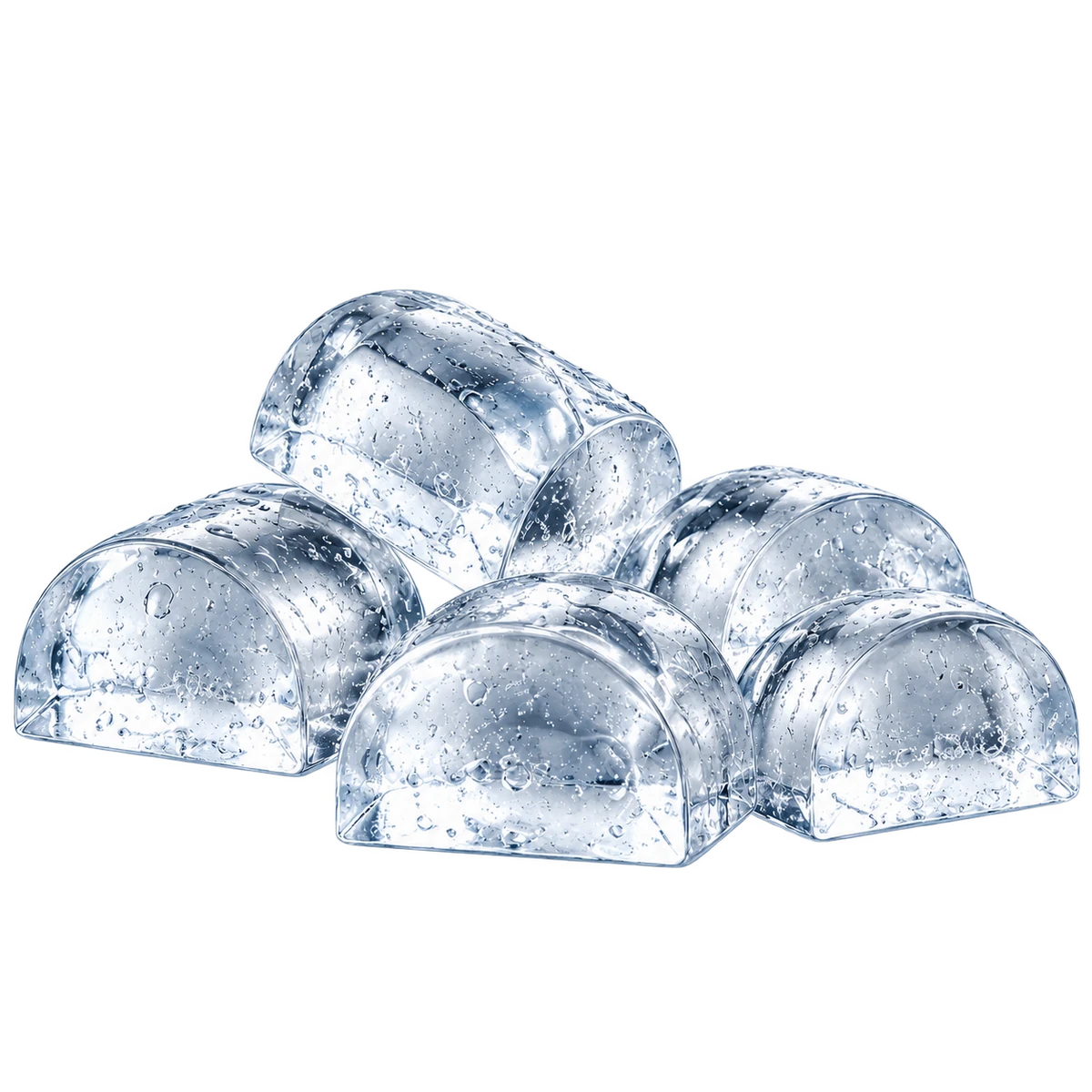 Solid pieces with a curved top and flat base | Does this half-cylinder shape suit the drinks and containers you use? |
| Flake Ice |  Thin, irregular flakes | Are you preparing a food display or another application listed for the series? |
| Cylindrical Ice | 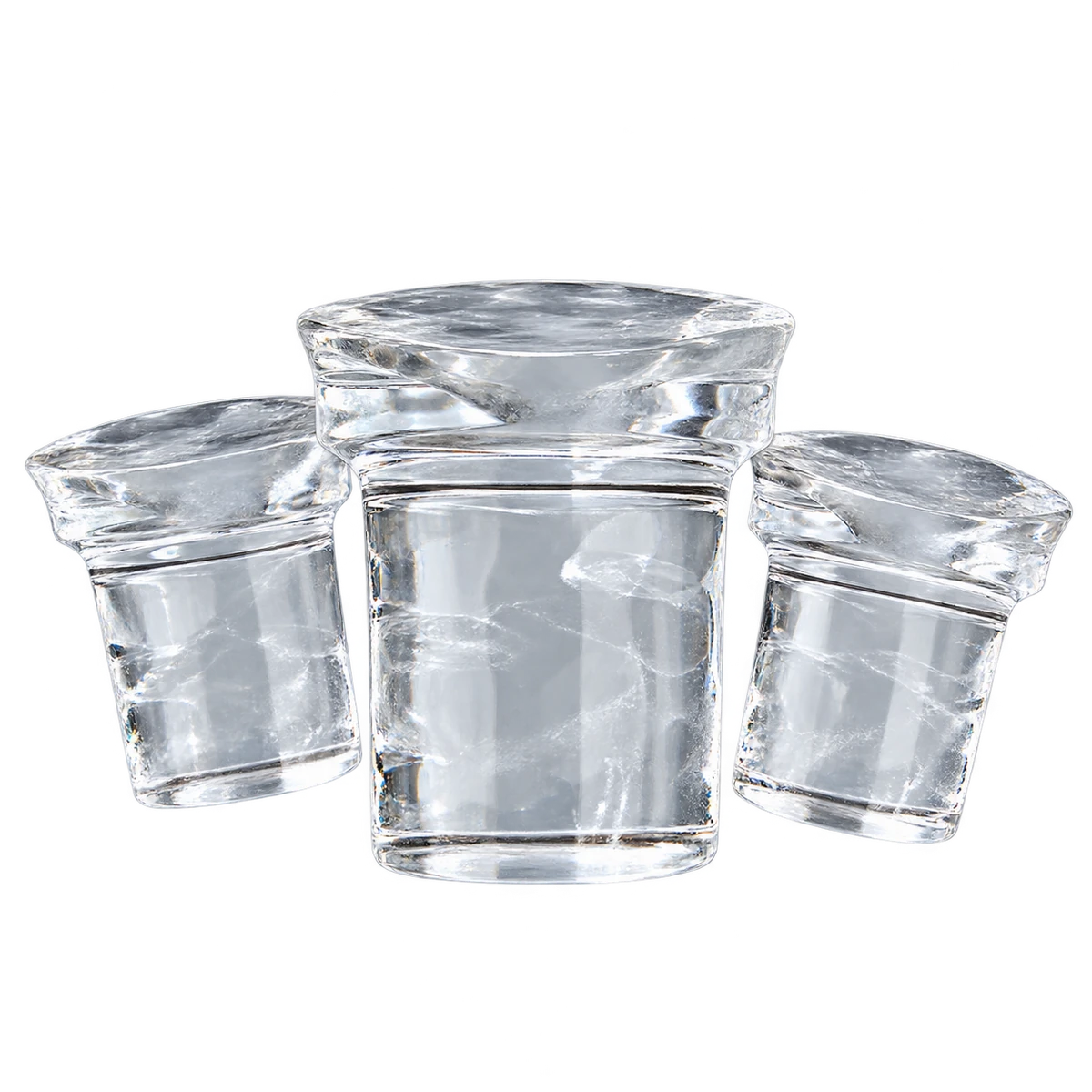 Individually formed solid cylindrical pieces | Is the required ice shape confirmed by a sample or product image? |
| Nugget Ice | 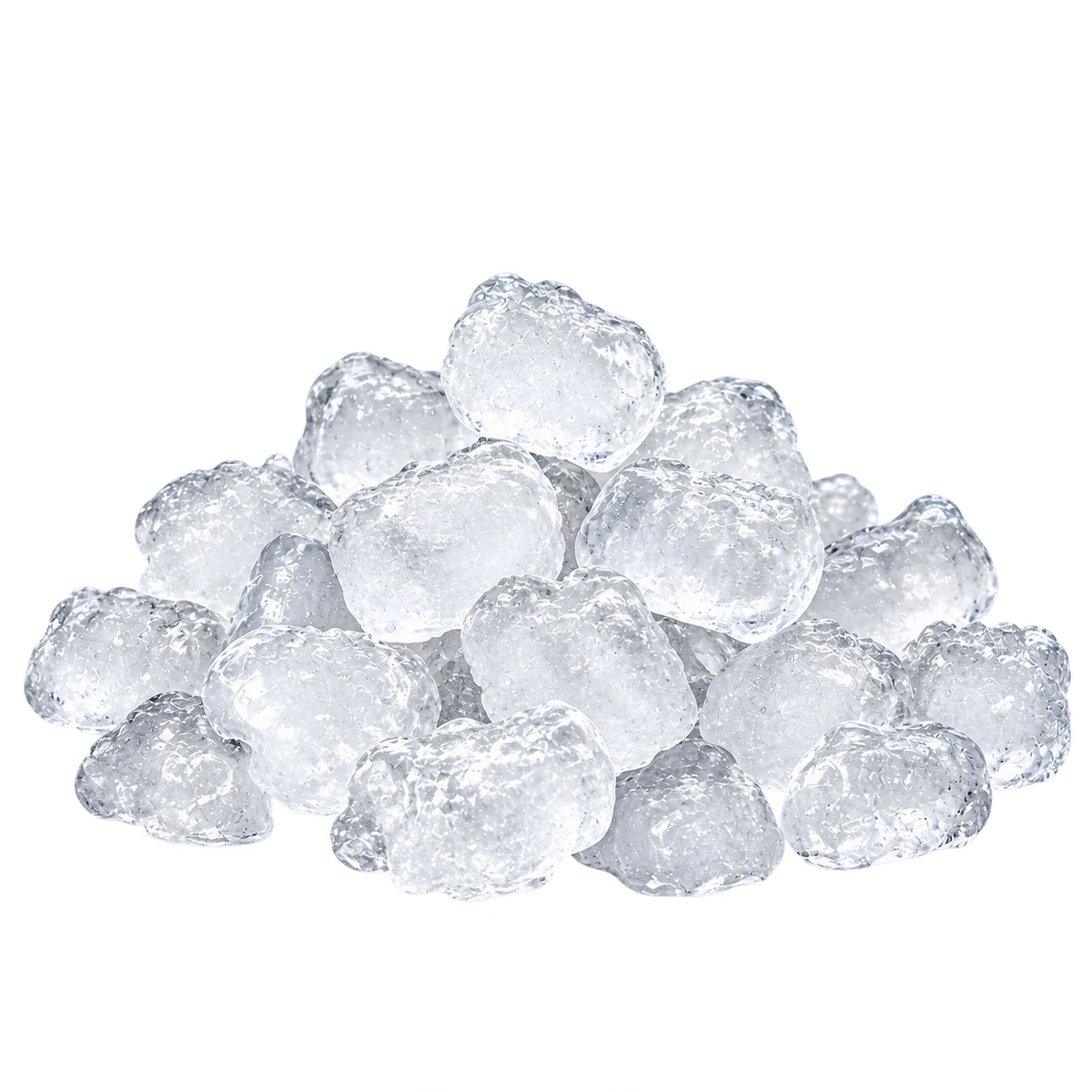 Small, separate ice pieces | Does the actual ice match the size and presentation your operation expects? |
| Snow Ice | 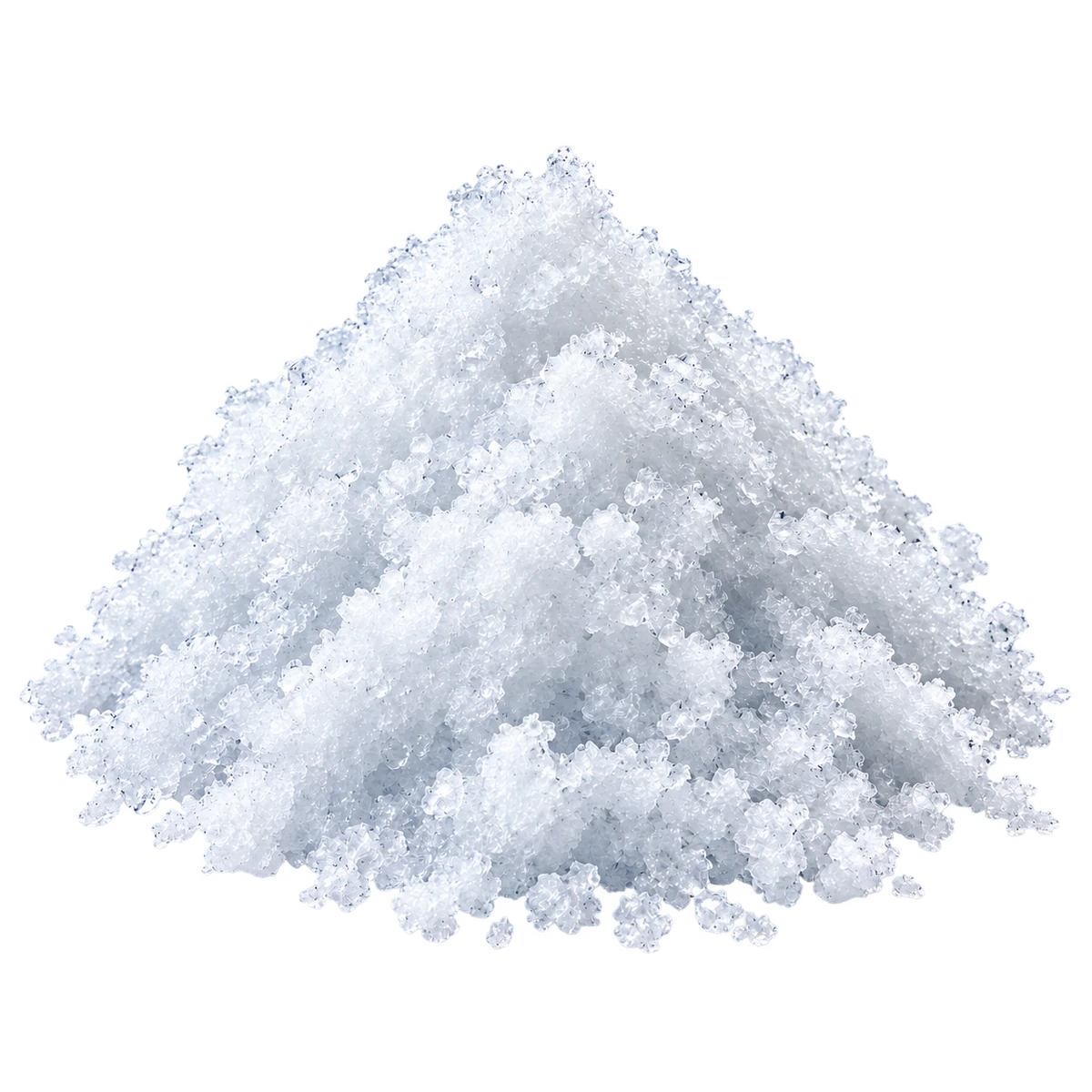 Fine ice with a snow-like appearance | Does the intended process call for this texture rather than flake or nugget ice? |
Choosing an ice type also means checking the machine behind it. Ask for a representative ice image or sample information and the relevant model specifications before placing an order.
Choose by the customer task first, then compare equipment. A useful shortlist states why a format is being considered and what still needs checking.
| Decision point | How to compare | What the result tells you |
|---|---|---|
| Drinks and glassware | Compare actual samples in the same recipe and glass; weigh the ice portion. | Whether the format and portion fit the serving task. |
| Display or preparation | Record the opening fill, later additions, texture and handling route separately. | Which ice form and supply schedule need evaluation. |
| Peak service | Separate daily use from the busiest window and ready-to-use storage. | Why a daily output figure alone cannot determine the model. |
Use these comparisons to narrow a shortlist. Exact dimensions, storage, electrical versions and rating conditions remain model-specific.

A useful equipment brief covers more than a daily production figure. Prepare the information below so ICES can discuss the available models and the conditions at your site.
Describe how the ice will be used during a normal day and during the busiest service period.
Include opening hours, the number of serving points and whether the machine will supply one area or several. If you have no measured demand yet, explain the operation rather than selecting a capacity at random.
Daily output describes production over a stated period.
Storage capacity describes how much ice the bin can hold. Compare both when reviewing a proposal, and confirm which storage arrangement is included with the selected equipment. A daily production number alone does not describe the ice available at every moment of service.
Prepare the available equipment space, access route and the positions of the water supply, drain and electrical connection.
Ask for the selected model’s dimensions, clearance requirements and installation instructions. These details should be checked against the actual location before ordering.
Share your local ambient and inlet-water conditions, water-quality information if available, and the site’s power supply.
Request the applicable production-rating conditions and maintenance guidance for the model under consideration. Confirm access for cleaning and service as part of the installation discussion.
Tell us how your team uses ice. Your application, service pattern and site requirements give context to the model comparison.

Describe your drinks service, food preparation or other intended use. Include the busiest periods and the number of locations that need ice so the discussion covers how the equipment will be used throughout service.
Discuss Requirements
List the areas you plan to supply, such as dining or event service, and explain whether they will share one source of ice. Discuss the required ice type and site conditions for each area before choosing equipment.
Discuss Requirements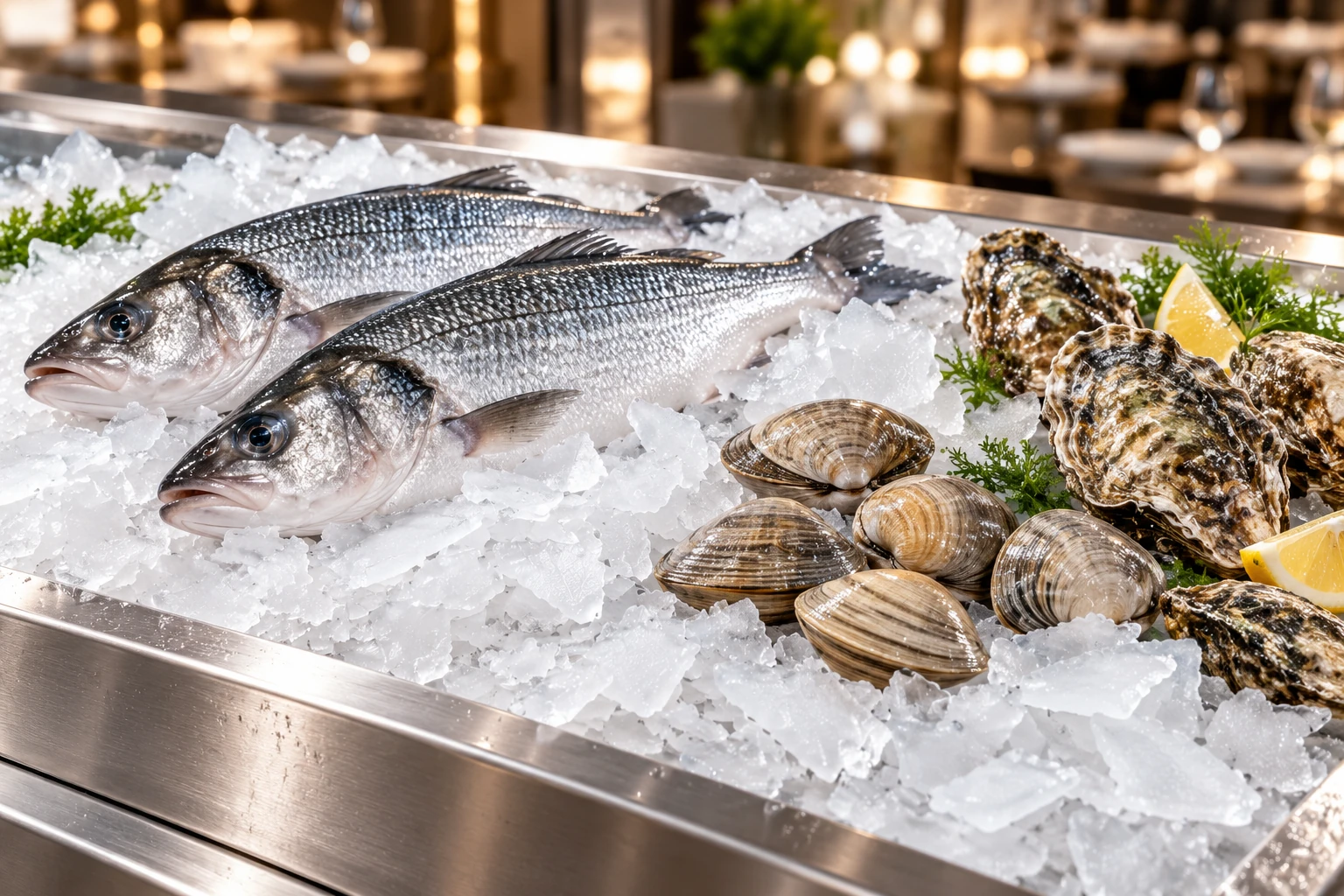
Explain the product being displayed, the display area and the role of the ice in your process. Compare the relevant series and confirm the intended application with ICES instead of choosing by machine output alone.
Discuss RequirementsApplication images are illustrative. They do not identify customer installations.
Share your target market, preferred ice types, expected order quantity and any branding requirements. We can discuss the available models, documentation and the scope of branding or configuration options for your project.
Confirm the equipment, commercial terms and supporting documents for the selected order. Certification documents, packaging details and model-specific requirements should be checked for the products and market concerned.
Start with the intended use and the ice shape you expect. Compare the series images, think about how the ice will be served or used, and check the application with ICES. If you are replacing equipment, a photo of the current ice and the machine label can make the discussion more specific.
Describe your normal and peak demand, service hours and storage needs. If you have usage records, include them. The catalog’s daily production figures help compare the range, but the selected model and its rating conditions should be reviewed for your site before ordering.
No. Daily output is a production figure over a stated period, while storage capacity concerns the ice the bin can hold. Request information on both when checking whether a proposed machine and storage arrangement meet your needs.
Confirm the selected model’s dimensions, access and clearance requirements, power supply, water connection and drainage arrangements. Prepare information about the location and operating conditions so the equipment requirements can be compared with the actual site.
Yes. Include the ice type, model if known, destination country and intended application in your inquiry. Specify the details you need, such as dimensions, electrical requirements or installation information, so we can discuss the relevant model documentation.
Yes. Tell us about your market, product range, expected quantities and branding requirements. The available options and commercial terms need to be confirmed for the models and order concerned.
Tell us about your operation or product range. Share the ice type you have in mind, your daily demand if known and the country where the equipment will be used.
Ask ICES to help you compare suitable series, review model information and discuss a quotation for your requirements.
Chat on WhatsAppinfo@icesmachine.com