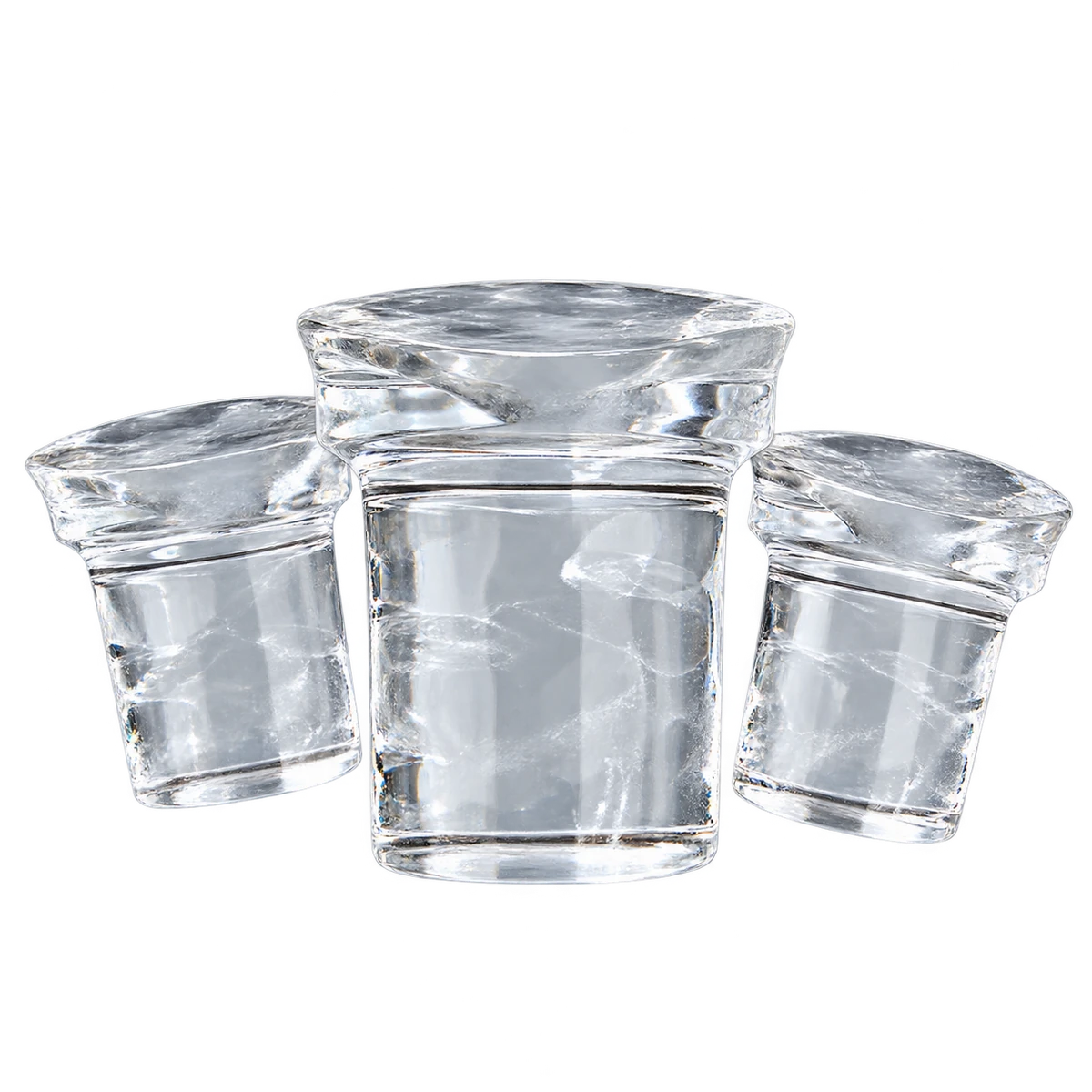
Cube ice equipment for bars, restaurants and hospitality service. Compare five ICES models and plan production around your drinks, peak periods and installation site.
Catalog nominal daily production. Ask for the selected model’s rating conditions, ice sample and configuration before ordering.
Start With the Ice in Your Glass
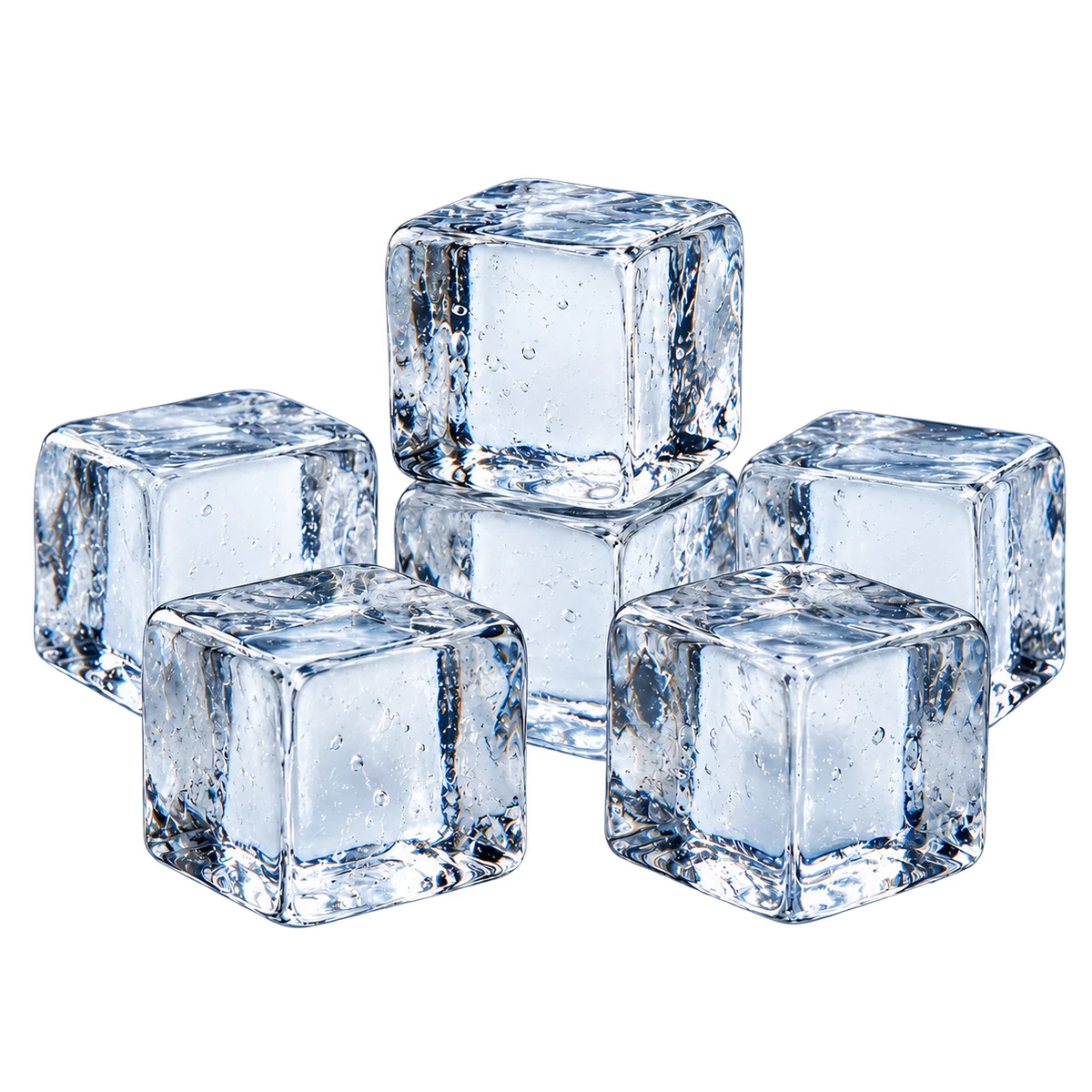
Cube ice has a recognizably square-edged form. Before choosing a machine, compare a representative ice sample with the glasses, recipes and serving style your team uses.
Match Your Drink Presentation
Look at the ice alongside your actual glassware. Shape and portion size affect how much space remains for the drink; check the combination with a sample rather than a product illustration alone.
Confirm the Available Cube Format
Ask which ice dimensions and format are available for the selected equipment. Do not assume every model produces every cube size or that size can be changed on site.
Consider How Your Team Serves Ice
Follow the route from the machine to the beverage station. Check scoop access, refill frequency and the distance staff carry ice during a busy service.
Compare the ICES Cube Ice Machine Range
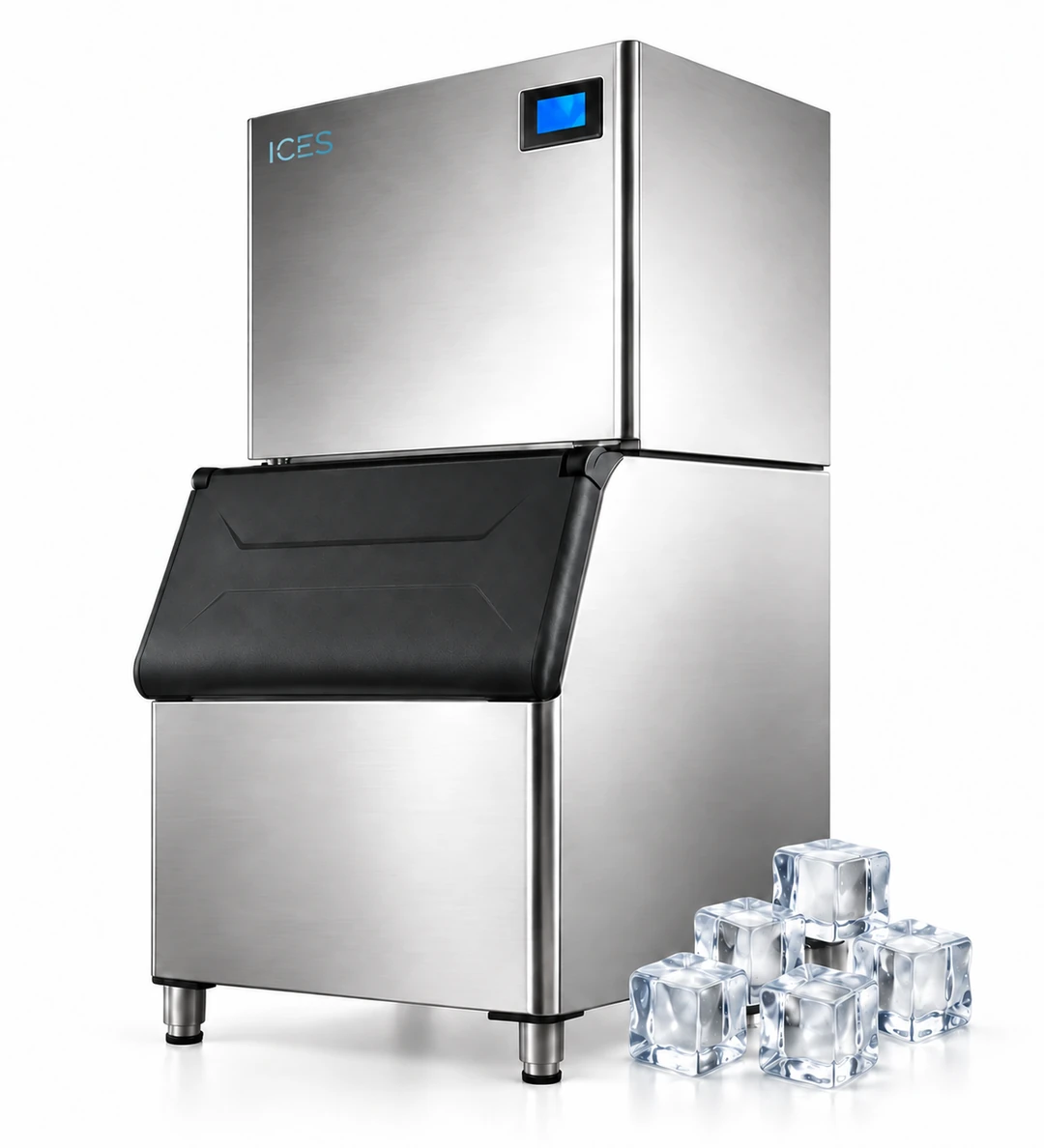
The catalog lists five cube ice models, from 60 to 1000 kg/24h. Use these nominal production figures to build a shortlist, then compare the required storage, site conditions and equipment configuration with ICES.
Series image shown for reference. Confirm the selected model’s appearance and configuration with ICES.
Daily output describes ice production over 24 hours; it is not the amount stored in the bin. Model numbers are identifiers, so read the output column rather than inferring capacity from the name.
A daily total is only one part of sizing a commercial cube ice machine. A bar with a short evening rush and a restaurant with steady all-day service can draw on their ice supply in very different ways.
Record when ice is used, what is already stored before service, and when replenishment is needed. Review that pattern alongside the selected model’s production information and bin capacity.
Teaching assumptions: 400 ice-using drinks per day, a measured recipe portion of 180 g, and 60% of these drinks served in a two-hour rush. This is not a customer case or a machine recommendation.
A Worked Ice-Demand Example
Demand element
Calculation or record
Ice served in daily drinks
Calculation or record400 × 0.18 kg = 72 kg
Ice served in the two-hour rush
Calculation or record72 kg × 60% = 43.2 kg
Mixing, refills and other uses
Calculation or recordRecord separately without counting the same ice twice.
Check the peak requirement against usable opening stock, replenishment and handling losses. Do not convert nominal kg/24h into guaranteed hourly recovery or select a model from 72 kg alone.
Start with the way drinks leave your counter. These three settings raise different questions about portions, simultaneous demand and moving ice between service points.
Bars and Cocktail Service
Compare the cubes with your rocks glasses, highballs and drink recipes. Note how many stations draw ice at once and whether ice used for mixing is additional to the ice served in the glass. The busiest service window helps frame the storage and replenishment discussion.
Count the drinks that actually use ice, including refills and takeaway orders. Lunch and dinner peaks can concentrate demand into a short period. Check how the machine location, ice well and staff refill route fit the pace of orders.
Scheduled breaks and group arrivals can create a large draw before the next service period. List the outlets sharing the supply, the event timetable and the route to each pantry or counter. Review available storage and replenishment between service windows.
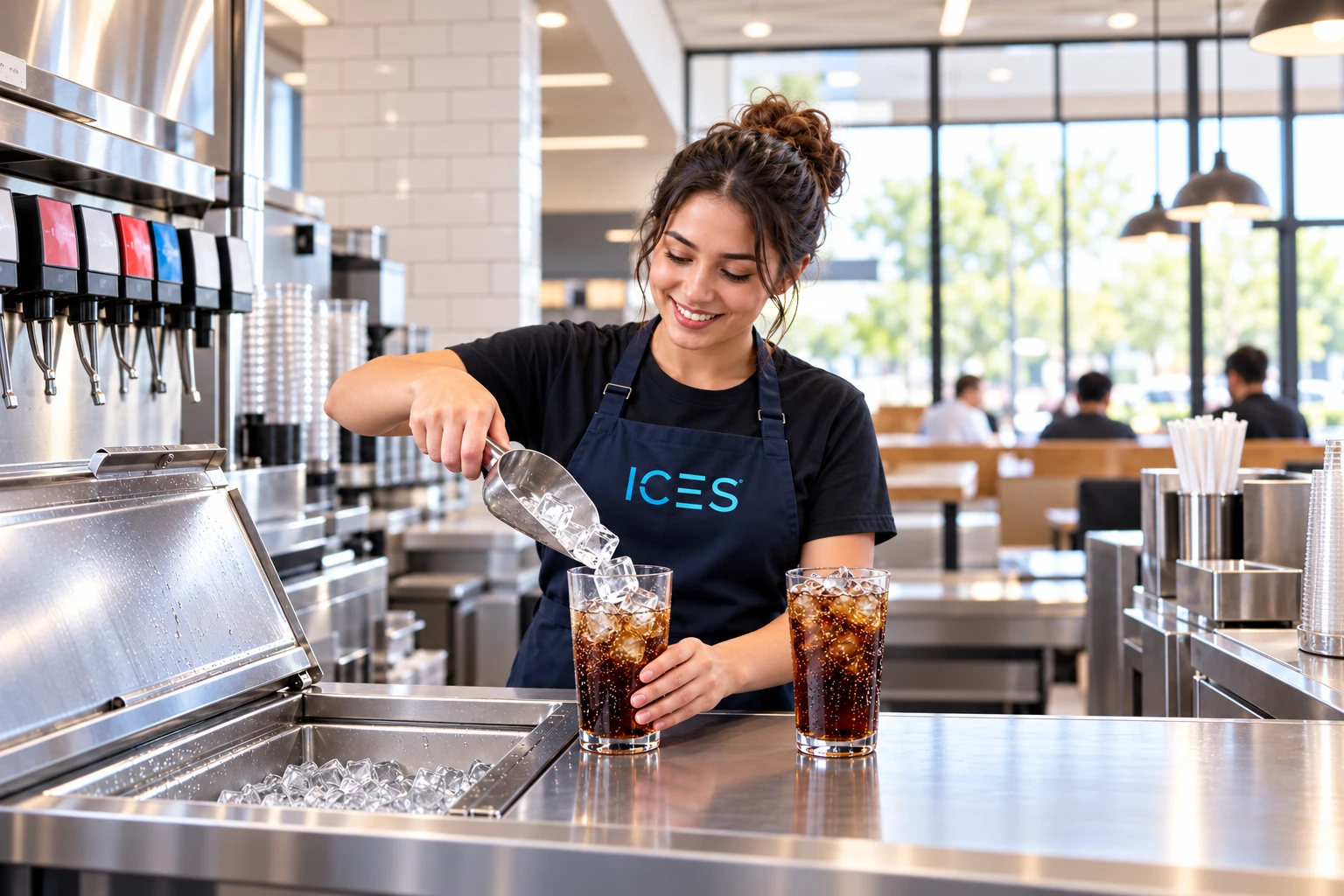
Application images are illustrative. They do not identify customer installations.
ICES application illustration
Build a Useful Cube Ice Equipment Brief
Bring your serving pattern and site information together before requesting a recommendation. A clear brief makes it easier to compare a model with the way your operation actually uses ice.
1
Drinks, Portions and Peak Periods
Measure the ice portion used in your regular recipes and record your busiest service window.
Selection notes
Include refills, mixing ice and any other uses separately, so the same demand is not counted twice.
2
Production, Storage and Refill Routes
Plan how much ice needs to be ready before the rush and how staff will replenish each station.
Selection notes
Ask for the proposed model’s bin capacity and operating information; do not treat the catalog’s daily output as available storage or divide it into a guaranteed hourly recovery rate.
3
Room Conditions and Installation Space
Share the available footprint, delivery access and expected room and inlet-water conditions.
Selection notes
Have the selected model’s ventilation clearances, drainage route, water connection and local power supply checked before the final layout is agreed.
4
Cleaning Access and Water Quality
Allow space for routine cleaning and service access around the proposed machine.
Selection notes
Request the model’s cleaning instructions and discuss local water quality and any required treatment, rather than assuming one maintenance interval or filter is suitable everywhere.
Choose by the ice you want to serve as well as by machine output. Keep each shape distinct, then compare samples in your own glassware and serving process.
Cube Ice
Square-edged pieces for a familiar drink presentation. Confirm the available cube format and review the five-model range on this page.
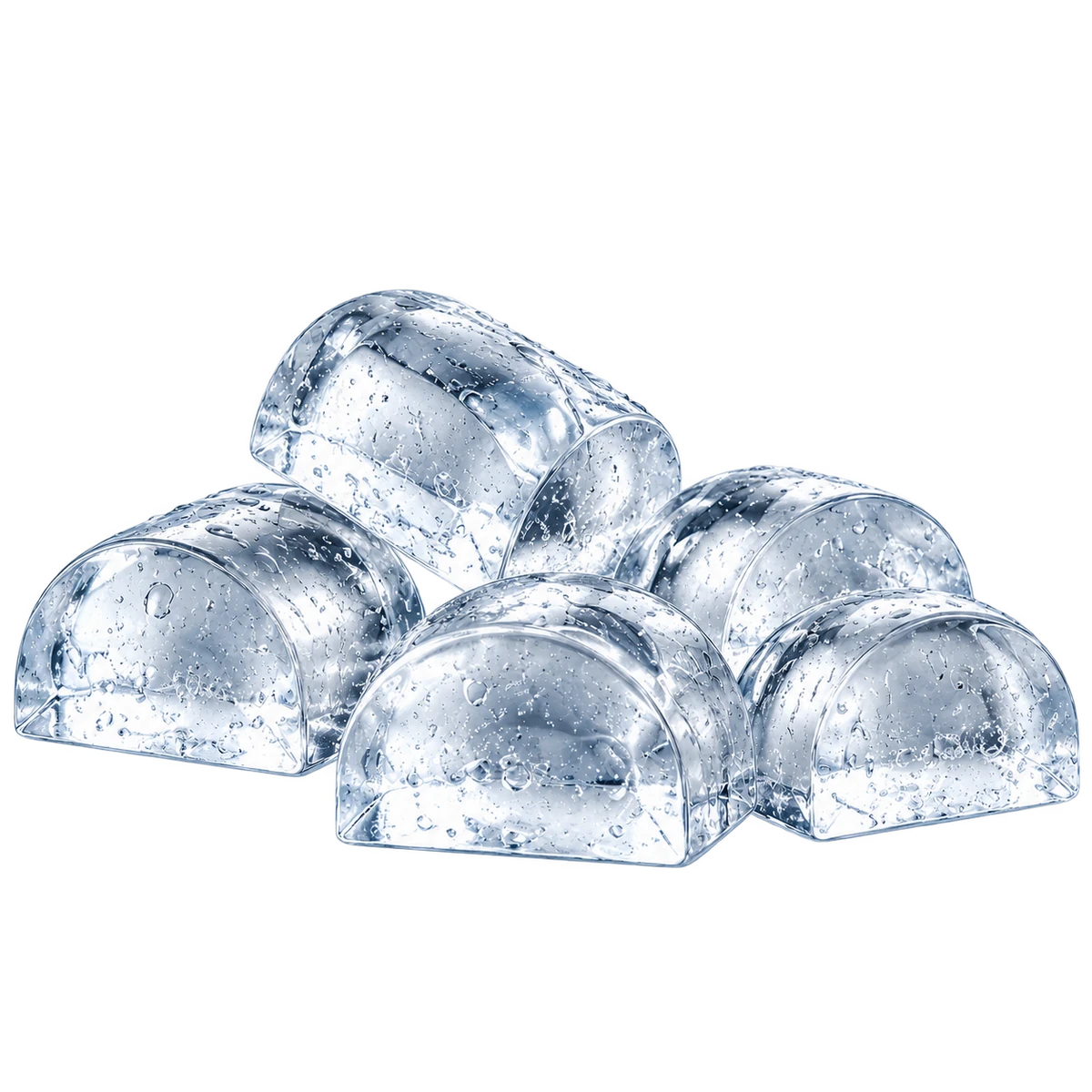
Individually formed, solid cylindrical pieces with no central hole. Compare the actual sample and the relevant series rather than treating it as hollow tube ice.
Share your destination market, preferred models, order quantity and branding requirements. Ask for the proposed equipment’s specifications, appearance, packing information and applicable documents so the range can be reviewed before an order is agreed.
The catalog lists ICES-120 at 60 kg/24h, ICES-260 at 120 kg/24h, ICES-700 at 320 kg/24h, ICES-1000 at 500 kg/24h and ICES-2000 at 1000 kg/24h. These are nominal daily production figures. Match the proposed model with your demand, installation conditions and storage needs before ordering.
How do I estimate ice demand for drinks?
Start with the number of ice-using servings and weigh the ice portion in your own recipe. Multiply the two to estimate the ice served in drinks, keeping units consistent. Add other uses, such as mixing ice, separately and record when demand occurs. This is a demand estimate, not a machine recommendation; production conditions, storage and service peaks still need review.
Does a 500 kg/24h rating mean 500 kg is ready at once?
No. The figure describes nominal production over 24 hours, not stored ice. A short service rush draws on ice already available in storage as well as what is produced during that period. Ask for the proposed bin capacity and discuss the refill pattern before choosing the equipment.
Can I choose the size of the cubes?
Ask ICES to confirm the available ice format for the specific model and order. Share a sample photo or your preferred ice dimensions and glassware. This page does not imply that every model offers every cube size or an on-site size adjustment.
What should I check when replacing an existing ice machine?
Share the current machine label, ice sample, any supply shortfall and the available space. Check the replacement model’s dimensions, service clearances, water and drain arrangement and electrical requirements. An old machine’s nominal output alone does not establish that a replacement fits the site or the current demand.
Which installation and maintenance information should I request?
Request the selected model’s installation drawing, electrical and water requirements, ventilation clearances, cleaning instructions and service information. Provide the site’s room conditions, water-quality information and intended machine position so the proposed configuration can be checked.
Can I get specifications without choosing a model first?
Yes. Describe your drinks service, peak periods, country and any known daily ice demand. You can ask ICES to help compare models and provide the relevant detailed specifications. If you already have a shortlist, use a model’s Get Specifications link to include it in your inquiry.
Find the Right Cube Ice Machine for Your Project
Tell us about your drinks service or product range, the busiest periods and where the equipment will be installed.
Request model specifications, discuss storage and installation needs, or ask for a quotation for your proposed order.