
Restaurants and Beverage Service
Record dining periods, drink portions and which counters or pantries need replenishment. Separate regular service from group arrivals or meal periods that concentrate orders.
HOTELS · BANQUETS · HOSPITALITY PROJECTS
Plan ice supply across the outlets and service periods that make up your hotel. Give purchasing, food-service and installation teams a shared brief for the proposed equipment.

A hotel can have several ice-consuming activities with different schedules. List each one before combining the requirements into a project.
Record dining periods, drink portions and which counters or pantries need replenishment. Separate regular service from group arrivals or meal periods that concentrate orders.
Identify the preferred ice presentation and the busiest bar window. Include ice used for drink preparation as well as what reaches the guest’s glass, especially when several outlets share a supply.
List the event timetable, service points and the ice that must be prepared before a break or reception. Note where simultaneous events or restaurant service draw on the same storage.
Use samples to align the proposed series with the hotel’s service presentation. Keep any separate display or preparation task identified in the project brief.
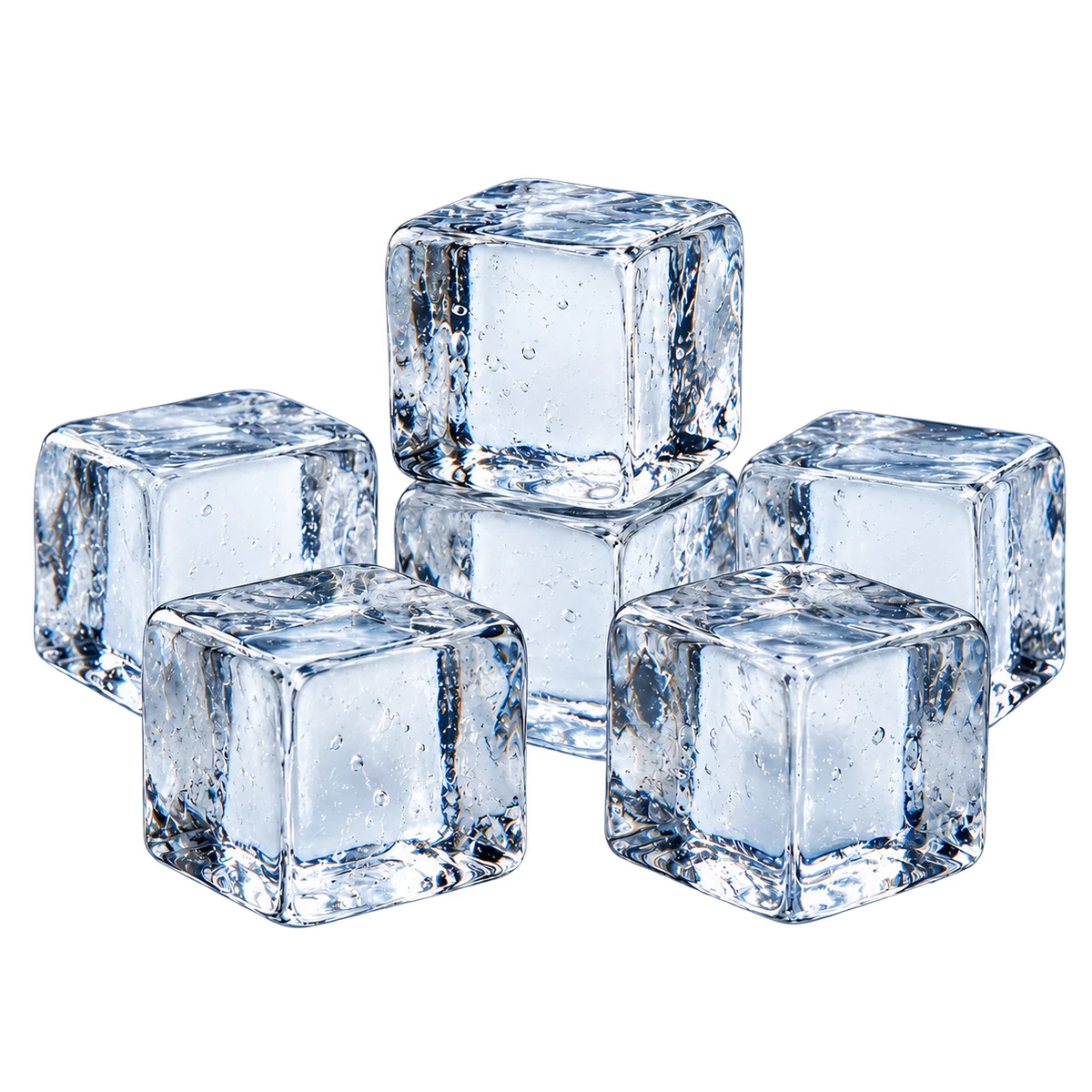
A square-edged format to review with the glasses, beverage menu and service trays used by your outlets.
Confirm the available cube format, selected model and portion your team intends to use.
Explore Cube Ice Machines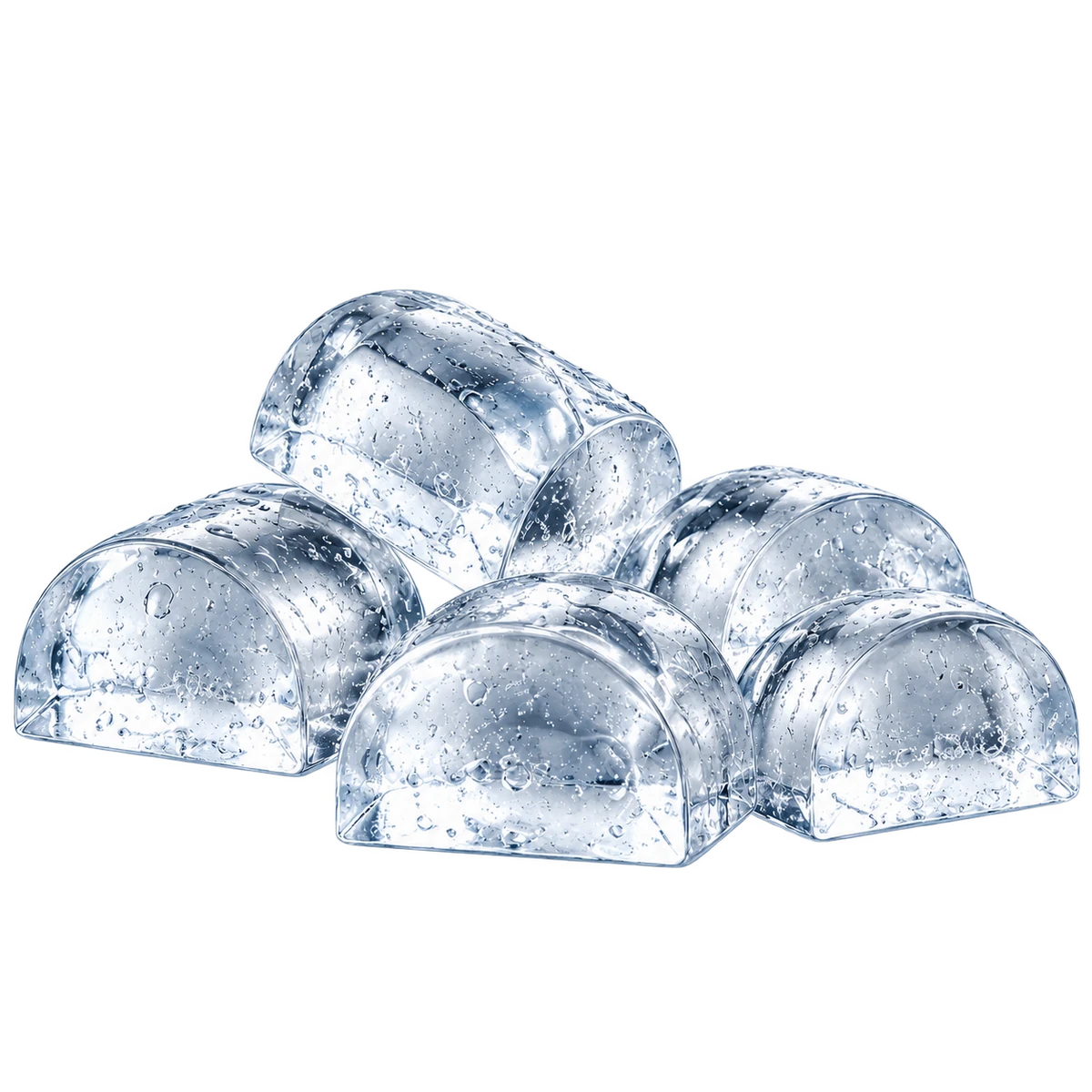
Solid pieces with a half-cylinder profile, curved top and flat base. Compare this distinct shape with the intended drink service.
Check the actual sample and the relevant machine information before standardizing the format across outlets.
Explore Crescent Ice MachinesCategory pages provide the model overview. Request the selected equipment’s full specifications, production conditions and configuration before finalizing a purchase.
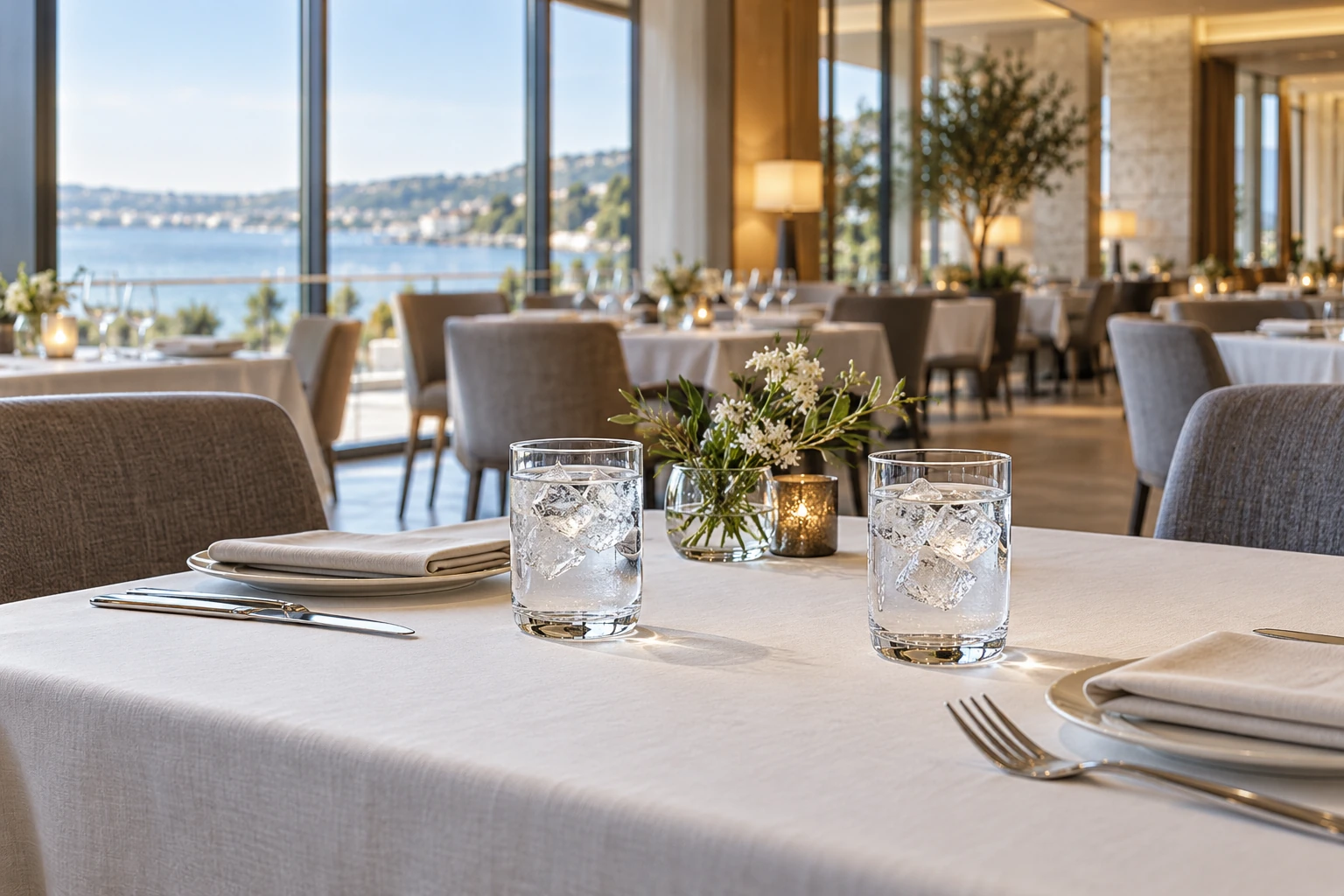
Room count alone does not describe how much ice the operating outlets need or when it must be available.
List restaurants, bars, event spaces and other confirmed uses. Record their portions, expected service levels and operating windows, distinguishing regular trade from group or event demand.
Mark overlapping meal services, receptions and refreshment breaks. Explain which areas share storage and how much ice must be ready before those windows begin.
Show proposed machine positions, pantry access, transfer distances and storage locations. Discuss the options with the project team and request the selected models’ production, storage and installation information.
Compare the replenishment workflow as well as equipment count. Neither arrangement is automatically better; the hotel’s outlets, routes and simultaneous service determine what needs evaluation.
| Review item | Central supply | Separate outlet supply |
|---|---|---|
| Transfer routes | Review shared stock, lifts and staff carrying routes. | Review access at each outlet and local refill arrangements. |
| Simultaneous demand | Combine overlapping restaurant, bar and event draws. | Size each service window without double-counting shared demand. |
| Maintenance and utilities | Review the effect of interruption on all supplied outlets. | Check utility and service access separately at every location. |
This is a layout comparison, not a self-service dispenser specification or a room-count sizing rule. Validate the selected equipment and storage with the hotel project team.
A hotel equipment brief should be checked against both the services layout and the day-to-day route staff will use.
Map the route from the proposed machine to each pantry, bar and function room. Identify lifts, access restrictions and service congestion that affect replenishment.
Check delivery access, cabinet dimensions and the model’s required ventilation and working clearances. Allow the installation and service teams to review the final position.
Confirm local power, water and drainage arrangements. Share room and inlet-water conditions, then request the relevant model-specific requirements.
Ask for installation, cleaning and operating information for the selected equipment. Identify which team will maintain records, arrange service access and request parts information.
For hospitality contractors and equipment distributors, separate the hotel’s project brief from the order proposal. Keep the chosen models, quantities, configuration, supplied documents and handover responsibilities visible for the buyer and installation team.
Room count is useful context, but it does not define the demand at restaurants, bars, banquets or other outlets. Prepare the service schedule, expected portions, event peaks and simultaneous use. Discuss storage and transfer routes alongside the proposed equipment’s production information before selecting models.
Review the outlet layout, staff routes, service timing, available utilities and storage. A central supply and separate outlet equipment create different installation and replenishment arrangements. Request a comparison based on the actual project, including the proposed models and working access.
List each event, the ice-consuming service points, expected portions and the time the ice must be ready. Identify overlap with restaurant or bar service and the planned replenishment windows. Confirm the proposed storage and equipment information against this combined timetable.
They provide a starting point for the commercial ice machine range shown in the catalog. If guest self-service, a dispenser interface or another specific arrangement is required, state it explicitly and ask ICES to confirm availability. An ice machine category page is not a specification for a guest dispenser system.
SEND YOUR REQUIREMENTS
Tell ICES how the outlets operate and what your purchasing or project team needs to approve the proposed equipment.
Destination country, hotel or project type, buyer role and estimated equipment quantities.
Restaurants, bars, events, preferred ice formats and any confirmed non-beverage uses.
Service windows, simultaneous events, required pre-service stock and proposed storage locations.
Site drawings, utilities, transfer routes, access requirements and the documents needed for review.
Practical reading for the purchasing decisions behind your project.
BUYING GUIDE
Collect the right site information and confirm the exact proposed equipment version with your project team.
Read the GuideBUYING GUIDE
Align ice form, output conditions, storage, configuration, and included items before comparing prices.
Read the GuideBUYING GUIDE
Connect unit identity, parts references, technical case information, and commercial support arrangements.
Read the Guide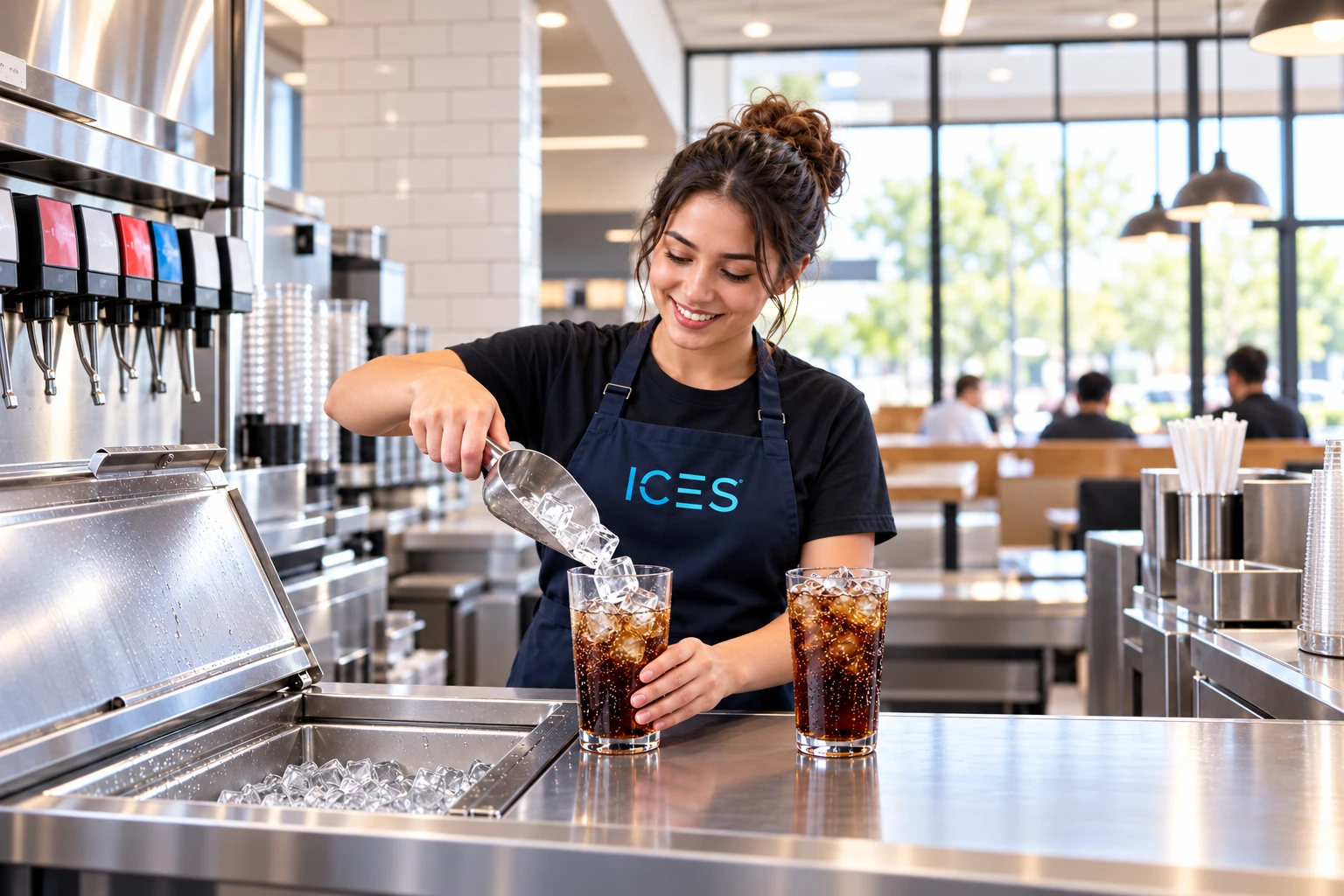
Match drink presentation, mixing ice and counter refills to the pace of restaurant and bar service.
Explore the Application
Plan first-fill and replenishment needs together with display drainage, ice storage and handling.
Explore the Application