
Restaurant Beverage Stations
Record the drinks that use ice, including refills and takeaway orders. Note whether lunch, dinner or delivery orders draw on the same ice well, and how staff replenish it during a rush.
RESTAURANTS · BARS · BEVERAGE COUNTERS
Build an ice machine brief around your drinks, busiest service periods and the way staff refill each station. Compare the equipment for your operation or the customers you supply.
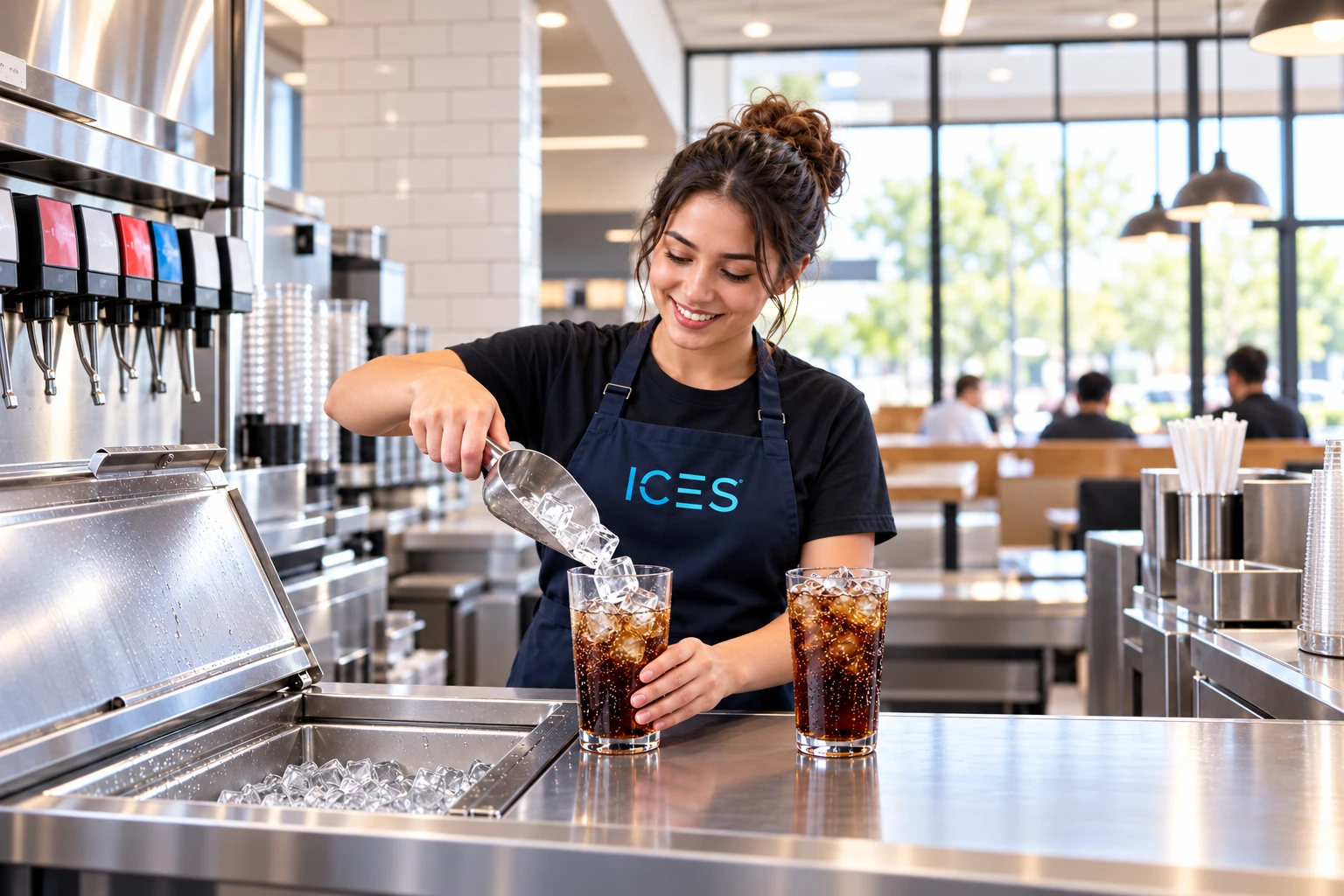
A useful restaurant equipment inquiry separates the tasks that consume ice, rather than treating all drinks as the same demand.
Record the drinks that use ice, including refills and takeaway orders. Note whether lunch, dinner or delivery orders draw on the same ice well, and how staff replenish it during a rush.
Separate ice served in the glass from ice used for shaking, stirring or preparing drinks. Record how many bartenders and stations work at once, and which glasses or recipes need a specific presentation.
Bring your cup sizes, ice portions and serving pattern. A coffee counter with morning trade and a tea outlet with afternoon queues may need different storage and refill arrangements even when their daily totals are similar.
Use the actual ice sample alongside your glassware and recipes. These are different product series; the menu and preferred presentation should guide the shortlist.
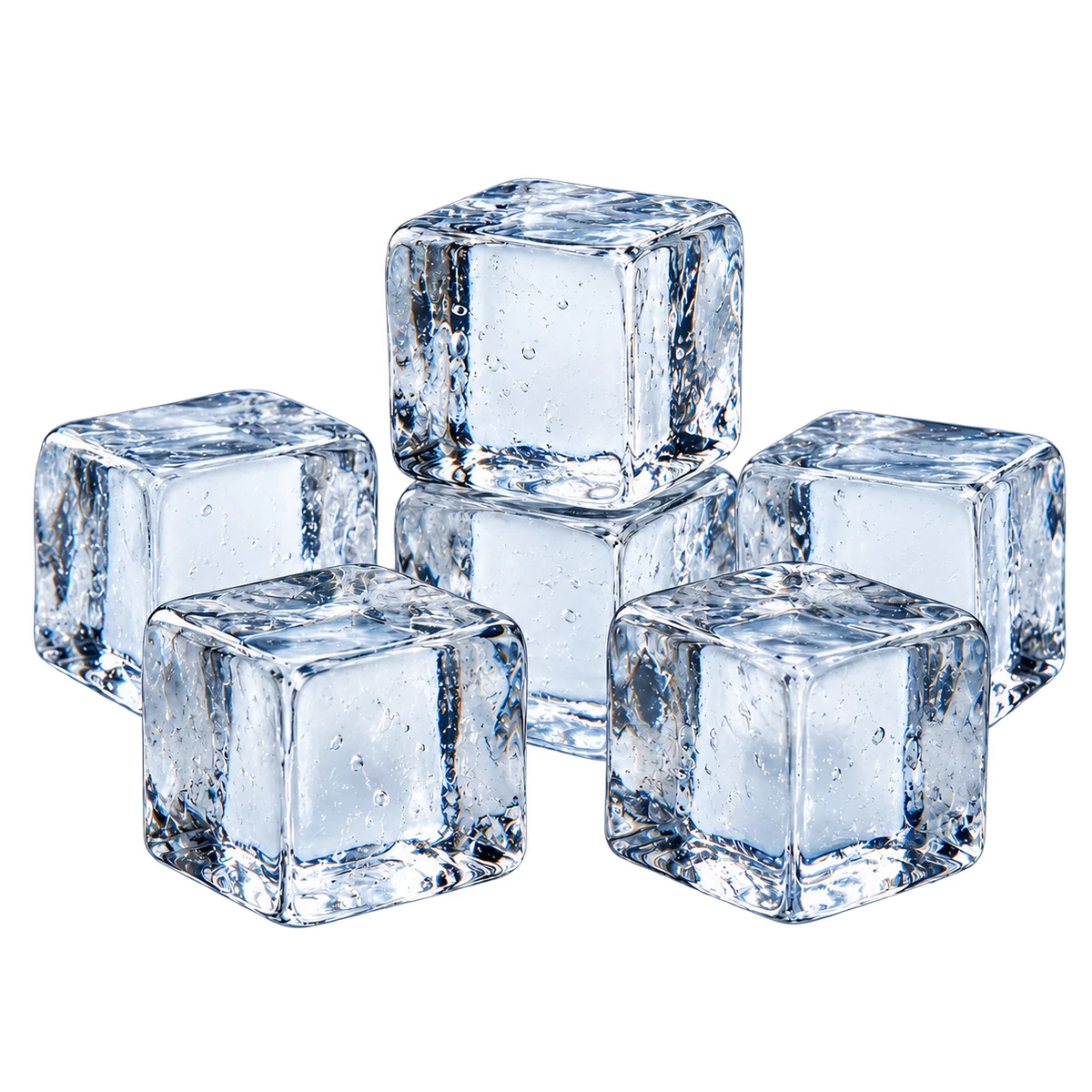
Square-edged ice for a familiar beverage presentation. Review the available cube format for the proposed machine.
Compare an actual sample with the glass, scoop and portion used at your busiest station.
Explore Cube Ice Machines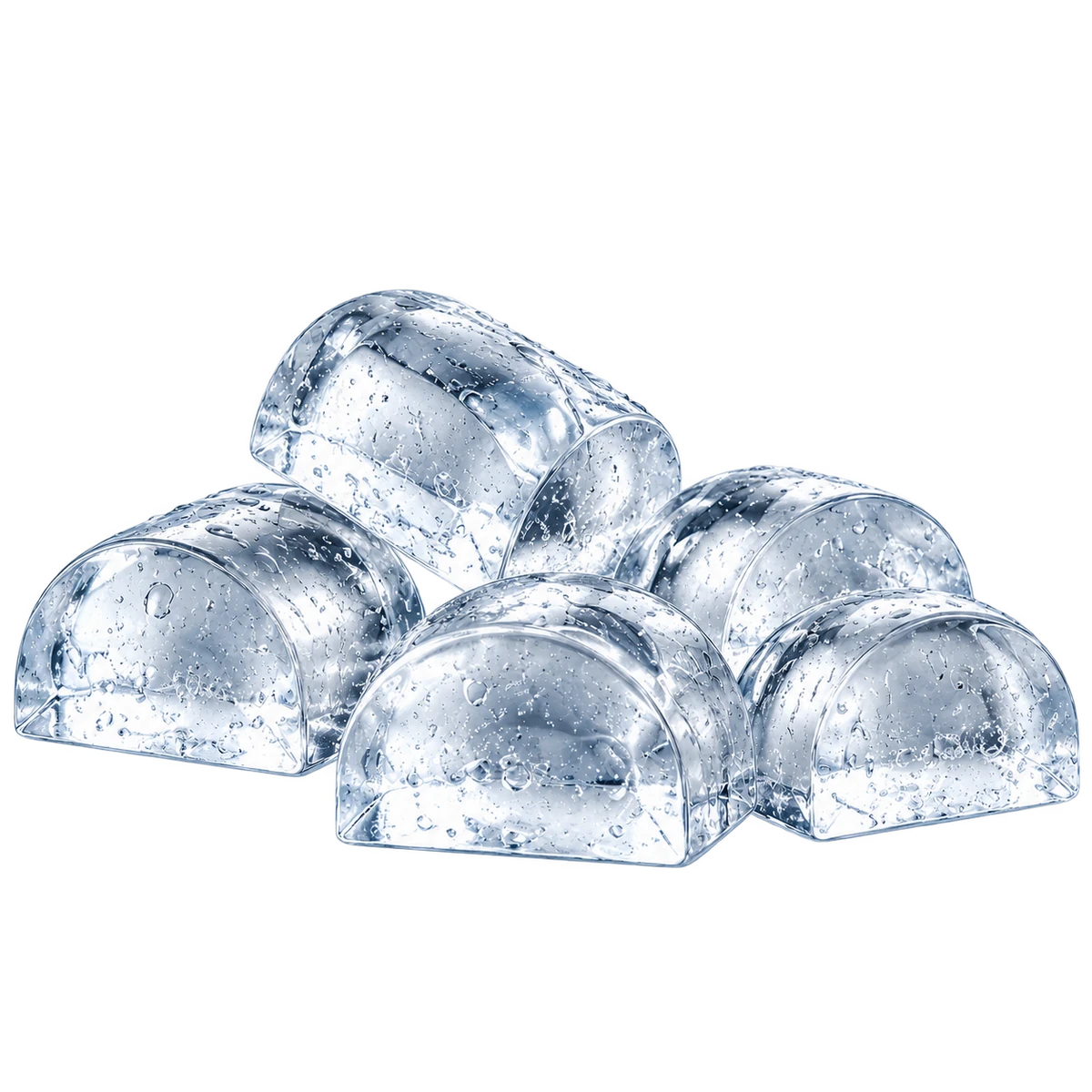
Solid half-cylinder pieces with a curved top and flat base. Review this format as a distinct alternative for your drinks service.
Check the sample and the selected model rather than assuming it has the same format or output as a cube machine.
Explore Crescent Ice Machines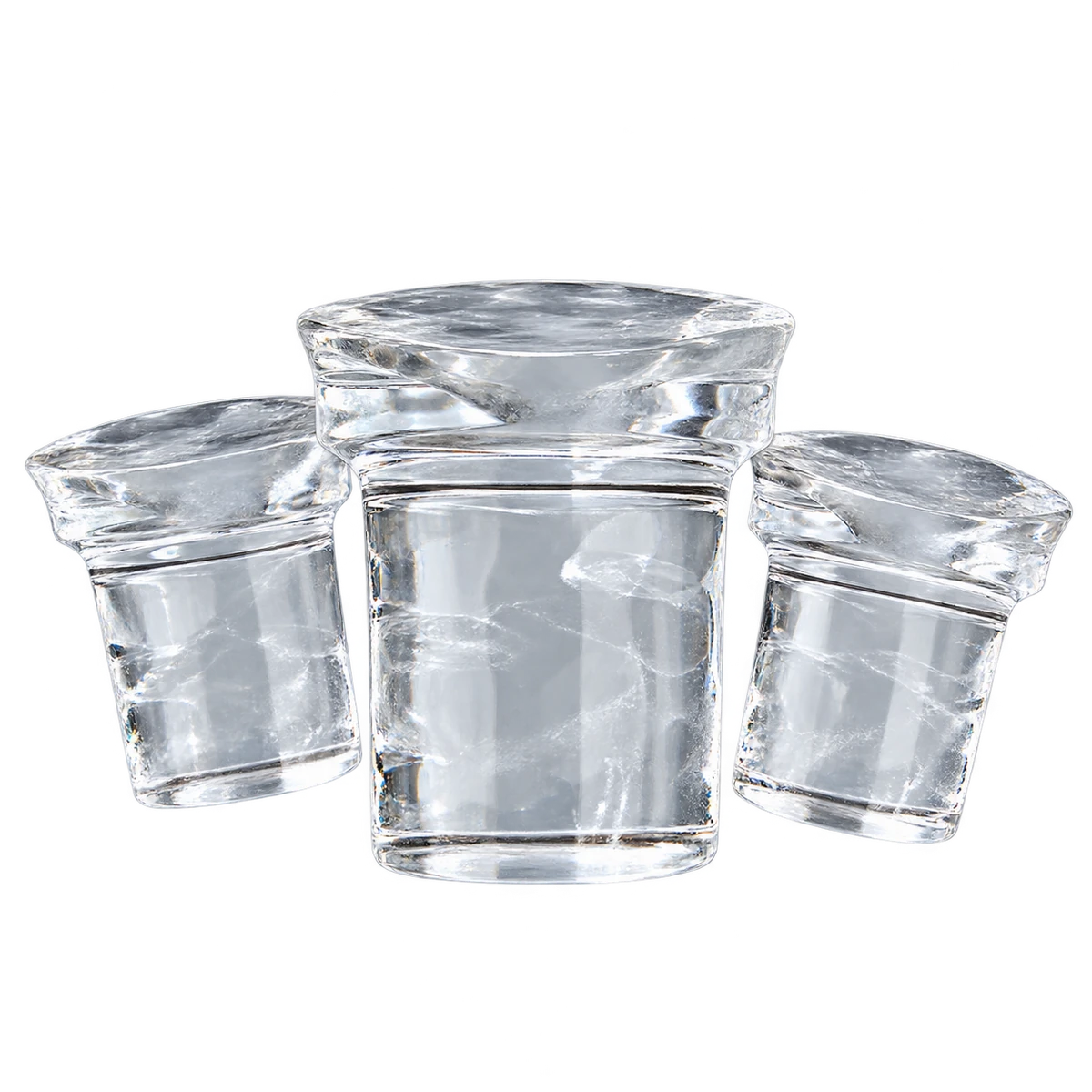
Individually formed solid cylinders without a central hole. Use the real shape as the reference for the intended drink presentation.
Share a preferred sample or image when confirming this series; do not substitute hollow tube ice.
Explore Solid Cylindrical Ice Machines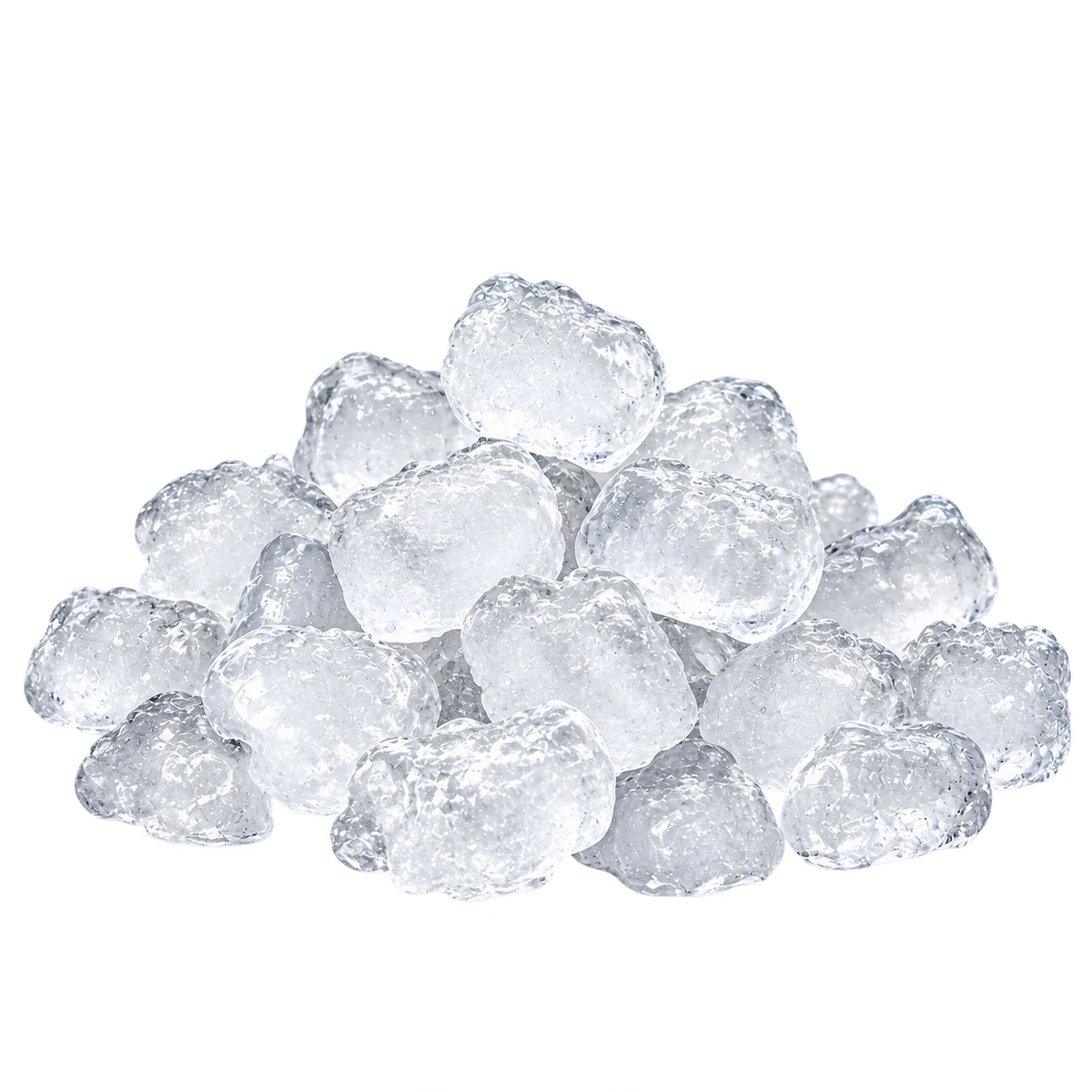
Small, separate pieces for the beverage applications your team is considering. Review their actual form before adding the series to a menu or distributor range.
Request a representative sample and the relevant equipment specifications before deciding it fits the service.
Explore Nugget Ice MachinesCategory pages provide the model overview. Request the selected equipment’s full specifications, production conditions and configuration before finalizing a purchase.

A machine’s nominal daily production and the ice ready in storage describe different things. Bring both into the equipment discussion.
For each relevant drink, weigh the ice in your normal portion and multiply it by the expected number of servings, keeping units consistent. Record refills and mixing ice separately so demand is neither omitted nor counted twice.
Show when orders concentrate, which counters draw ice together and how much needs to be ready before service. A daily average does not describe a short, busy bar session.
Identify the machine position, bin arrangement and the route to each ice well. Request the proposed model’s storage and production information under relevant conditions instead of assuming a guaranteed hourly recovery rate.
Measure the recipe before multiplying by sales. Count only drinks that use ice, and keep preparation ice separate from ice served in the glass.
| Worksheet field | What to record |
|---|---|
| Recipe and portion | Cup size, measured ice mass and ice-using servings |
| Preparation use | Shaking or stirring ice not already counted in the served portion |
| Rush and replenishment | Busiest time window, shared stations and usable stock before service |
The cube category includes a worked 400-drink example. Use your own measured portions and schedule, then review storage, production conditions and the installation site before selecting equipment.
Share the counter layout and available site information before fixing the machine position or approving a replacement.
Measure the available space, delivery route and opening clearances. Check that staff can remove ice and that the selected model remains accessible for cleaning and service.
Describe the intended room, expected operating conditions and inlet-water information. Ask for the proposed model’s rating conditions and installation requirements.
Locate the water connection, drain route and electrical supply. Confirm the exact equipment requirements, including the voltage and frequency, before the site layout is finalized.
Request the model’s cleaning instructions and discuss local water quality. Plan access to the relevant components and any proposed treatment equipment with the installation team.
For restaurant-equipment importers and dealers, describe the customer sectors and the models you plan to stock. For a chain or fit-out project, separate the site layouts and service patterns before assuming one configuration suits every outlet.
Start with the drinks, glassware, portions and preferred presentation. Compare representative cube, crescent, solid cylindrical or nugget samples as appropriate, then review the relevant series and machine specifications. A general application label does not establish that every ice format is suitable for every recipe or counter.
Weigh the ice portion in your own serving and multiply it by the number of ice-using servings. Add refills, mixing ice and other uses separately. Record when demand occurs and how much ice is stored before service. This prepares a demand brief; a final machine selection also needs site conditions, bin capacity and the proposed model’s production information.
Review the cause of the shortage first. Ice ready before service, access to storage, simultaneous draw and the distance to each station can all matter. Compare the actual operating pattern with the proposed equipment’s production conditions and storage arrangement, rather than choosing from the daily rating alone.
Share the country, company, number and type of outlets, preferred ice formats, estimated quantities and representative site information. Separate common requirements from site-specific differences. Ask for the proposed configurations, model-specific documents, sample arrangements and quotation scope.
SEND YOUR REQUIREMENTS
Bring the service pattern and site requirements together so ICES can discuss the equipment with your buying or project team.
Company, country, customer sectors or the type and number of outlets being considered.
Preferred ice type, glassware or cups, portion information and any sample references.
Busy periods, expected servings, mixing ice, existing storage and counter refill routes.
Available space, utilities, quantities, branding needs and the information required for approval.
Practical reading for the purchasing decisions behind your project.
BUYING GUIDE
Align ice form, output conditions, storage, configuration, and included items before comparing prices.
Read the GuideBUYING GUIDE
Make sample objectives, methods, recorded conditions, and approval limits clear before a bulk order.
Read the GuideBUYING GUIDE
Use a public RFQ template to share your market, application, quantity, and known configuration requirements.
Read the Guide
Review restaurant, bar and event demand together, including simultaneous service and ice-transfer routes.
Explore the Application
Plan first-fill and replenishment needs together with display drainage, ice storage and handling.
Explore the Application