On this page
Introduction
Make the same drink with each ice shape in the glass or takeaway cup you use at the counter. Keep the recipe and fill line fixed, weigh the ice and see whether staff can repeat the portion.
Start with cube, crescent and solid cylindrical samples for the menu trial. Use the separate nugget ice trial for cups served with a lid and held for pickup.
Choose samples and compare them at the same service target
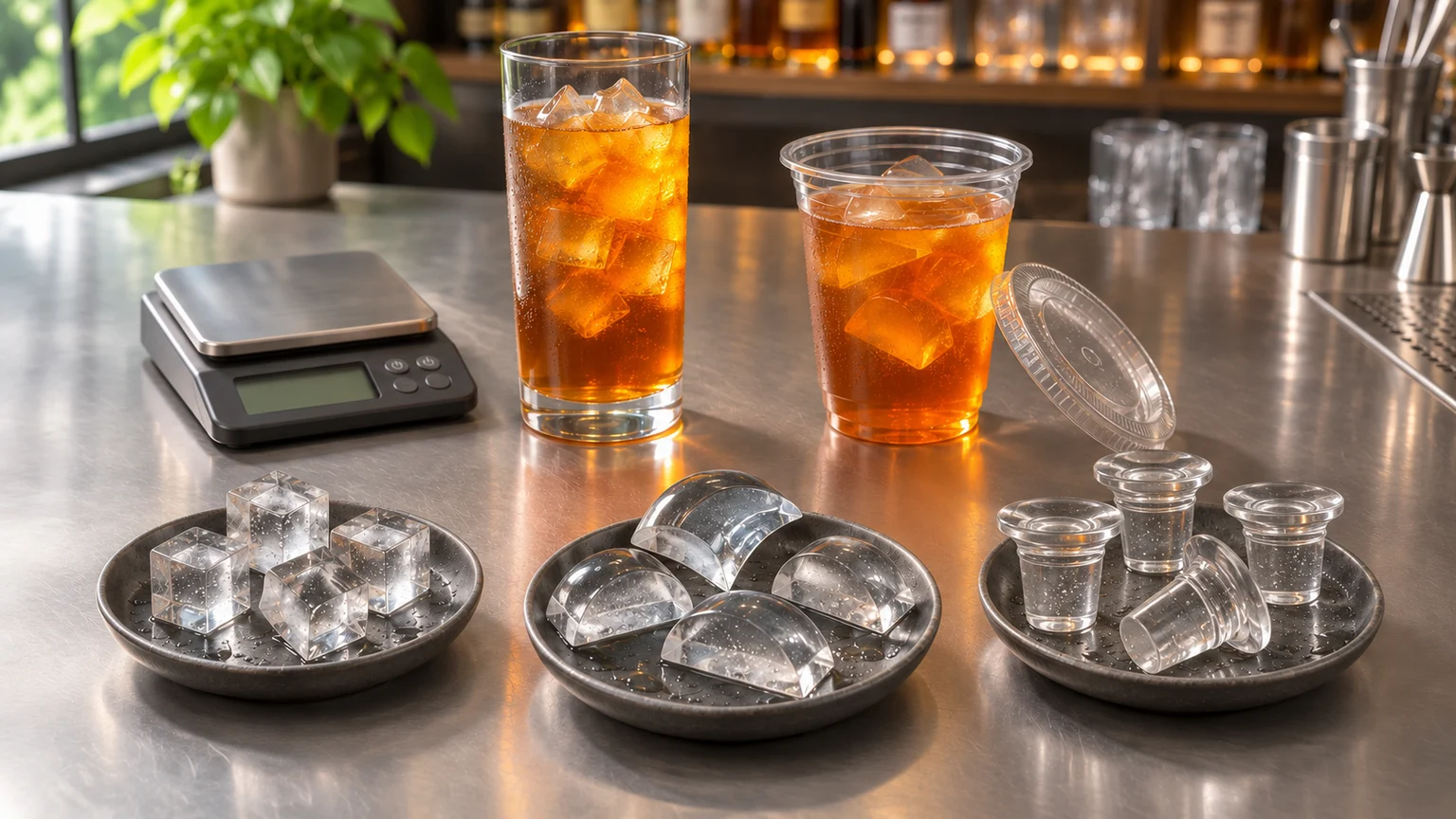
ICES offers three distinct shapes for this comparison. Start with representative samples and record the series or proposed configuration that produced them.
| Ice shape | Sample shape |
|---|---|
| Cube ice | Square-edged pieces. See cube ice machines |
| Crescent ice | Curved pieces with a flat side. See crescent ice machines |
| Solid cylindrical ice | Individual solid pieces with no central hole. See solid cylindrical ice machines |
Use the same checks for every shape. Record cup fit, lid closure when relevant, finished fill, ice weight and handling.
For each drink, use the same glass or cup, recipe, liquid volume, starting drink temperature, and target finished fill. Keep the ice samples under comparable holding conditions and start with ice in a similar condition. If you assess the drink after a hold, use the same time for every sample of that drink.
Put the empty cup on a scale and tare it. Add the portion of ice you would serve with the fixed liquid recipe to reach the intended fill, weigh that portion, and assemble the drink in the usual order. If staff normally pour first, weigh the ice in a separate tared container. Keep your portioning rule consistent, such as using the same scoop and adjusting to the fill target. Let the ice weight vary with the sample. That difference is part of what you need to measure.
Make a few servings with each sample. Record the individual weights, along with any trouble scooping, filling, or fitting the lid. Record the actual finished level if the drink misses its target. A sample that works only after the operator rearranges the ice by hand deserves a second trial using the normal service routine.
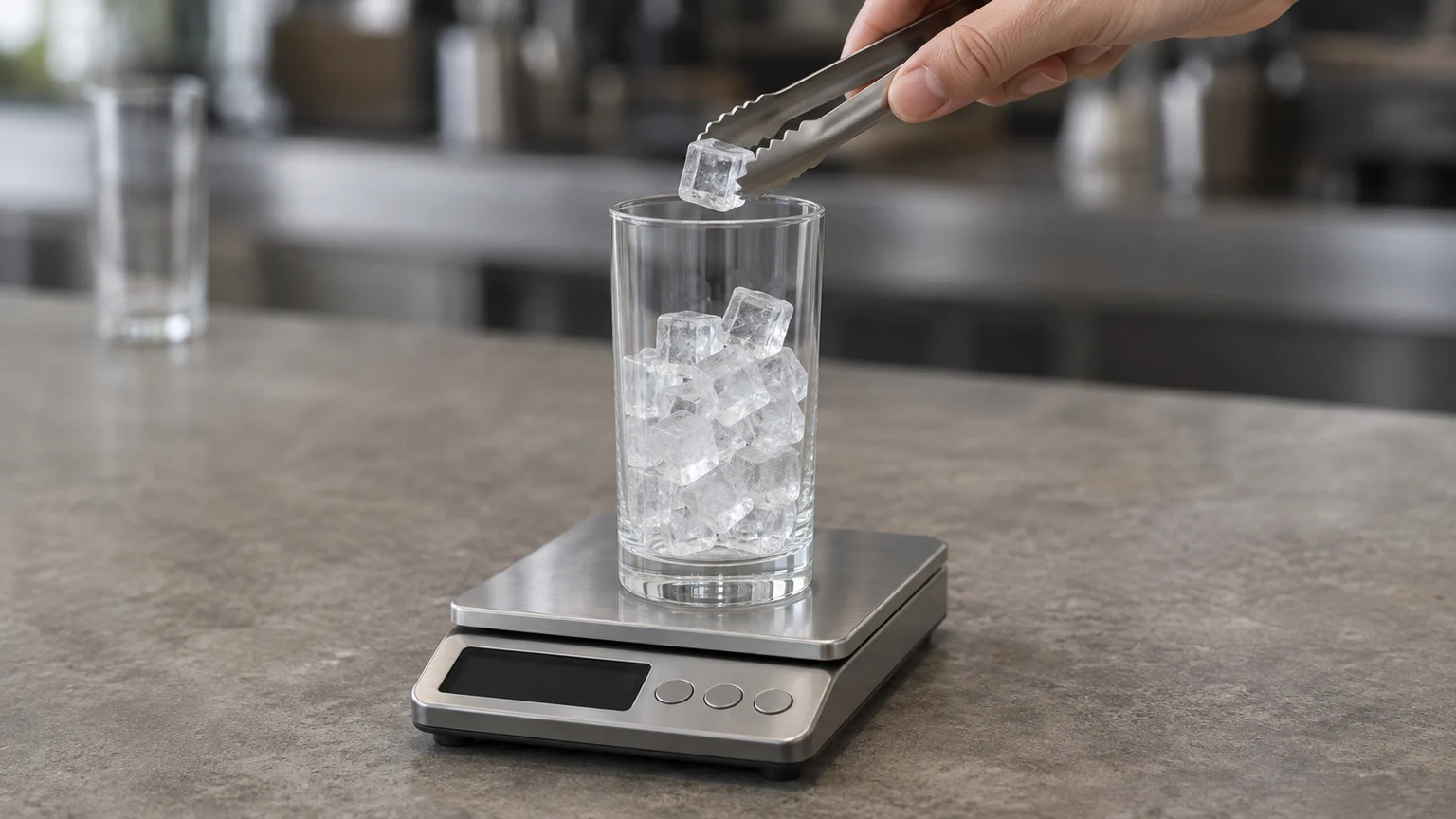
Copy this trial record
Use one row per drink, sample, and repeat. Above the table, note the standard recipe and liquid volume, starting temperature, fill target, ice holding conditions, and hold time for the drink.
| Drink and cup | Sample, round and staff member | Ice used (g) | Fill, appearance and lid | Handling notes |
|---|---|---|---|---|
| — | — | — | — | — |
| — | — | — | — | — |
| — | — | — | — | — |
Start with any requirements that determine whether you can serve the drink at all, such as the lid closing or the pieces fitting the glass. For the samples that pass, compare how much the weights vary across repeats and how easily staff can get to the same result. Decide which shape suits each drink. If you want one machine to cover the menu, run the best candidate across all three drinks before shortlisting it.
Run a separate takeaway trial with nugget ice
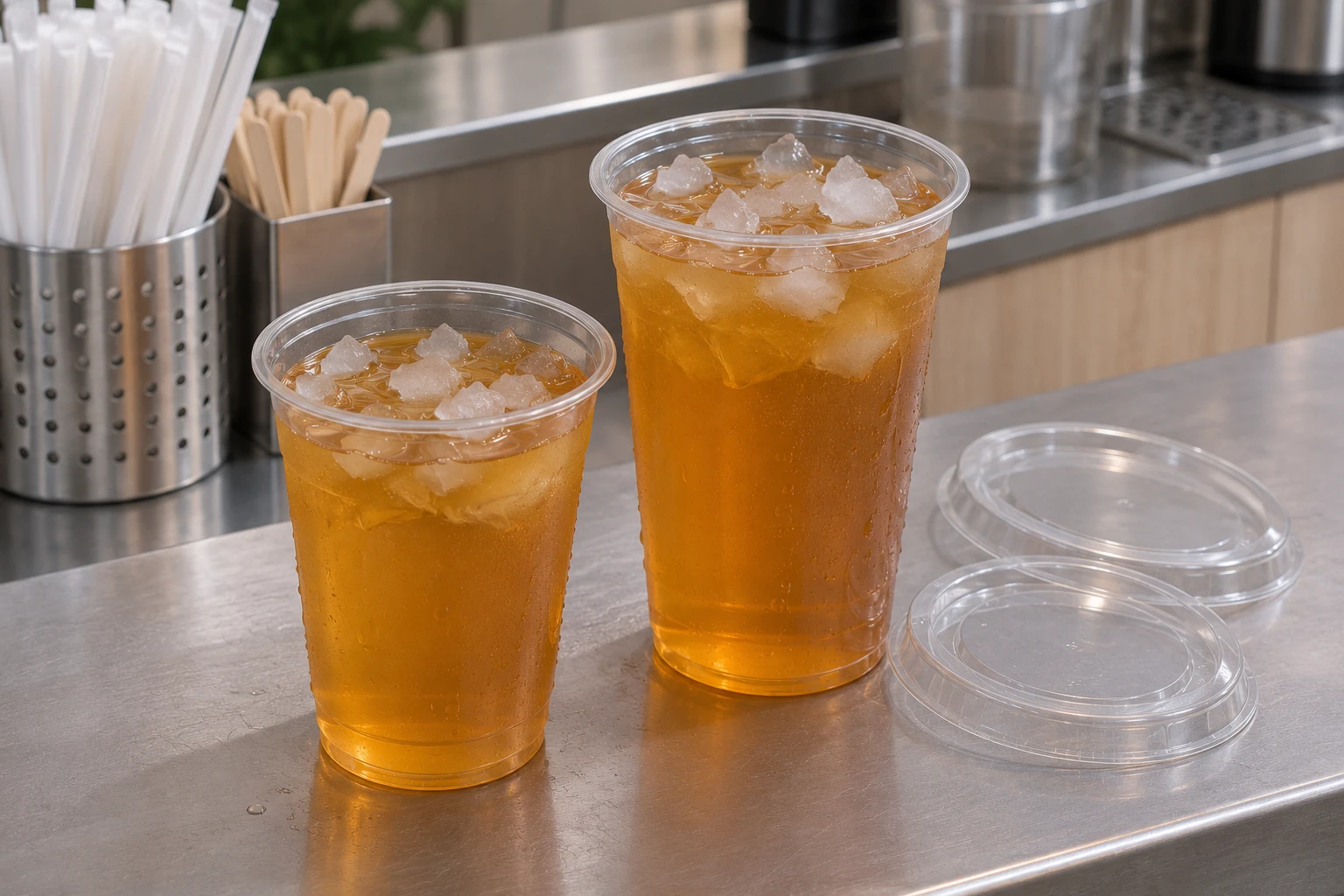
Use the takeaway drink you sell most often. Test a representative sample of nugget ice beside the ice you use now. Use the same cup, lid, recipe and portioning routine, and keep the normal fill line. Start a timer when the lid goes on and open the cups after the same interval, chosen to reflect your usual pickup wait.
Have two staff members prepare a few orders each. Add the following three observations to your trial record: ice weight by serving, whether the lid clicked shut on the first try, and the liquid level and amount of ice visible at pickup. Also record any extra scooping or lid adjustments. If lunch orders use a different cup size, repeat the trial for that size before approving it.
Use the results for takeaway service only. If nugget ice meets that service target, use the successful portions to estimate demand for the pickup counter. Check the ICES nugget ice machine range for the next step.
Turn your trial into a machine shortlist
For each drink and selected shape, average the ice weights from servings that met your service standard. If weights vary widely, agree on one portioning method and repeat the trial. Multiply each average by the orders for that drink in the same peak window. Add the results and divide by 1,000 for kilograms.
Worked example with assumed values: During a 90-minute rush, 80 iced teas at 130 g and 40 takeaway sodas at 160 g would use 16.8 kg of beverage ice: 10.4 kg plus 6.4 kg. Record any other uses from the same supply, such as ice used at another station, separately. If two drinks use different ice shapes, calculate demand for each shape separately.
Compare daily production with daily demand. For the rush, check how much usable ice will be ready at the start and how much can be added during the window.
Pilot the Drink Trial Before a Chain Order
For each store, use the approved recipe and weigh its ice portion. Use the calculation above with that store’s orders during a rush of the same length. Check how much usable ice is ready at opening and how much can be added by the time staff need it.
Pilot the proposed setup at a store with a difficult rush or limited bin space. For takeaway drinks, repeat the lid or seal check after that store’s usual pickup wait. Record whether the team can keep up with refills.
Before approving the first bulk order, record the approved ice sample and what the trial confirmed. Add stores that need a different bin, refill schedule or setup to the multi-location specification worksheet.
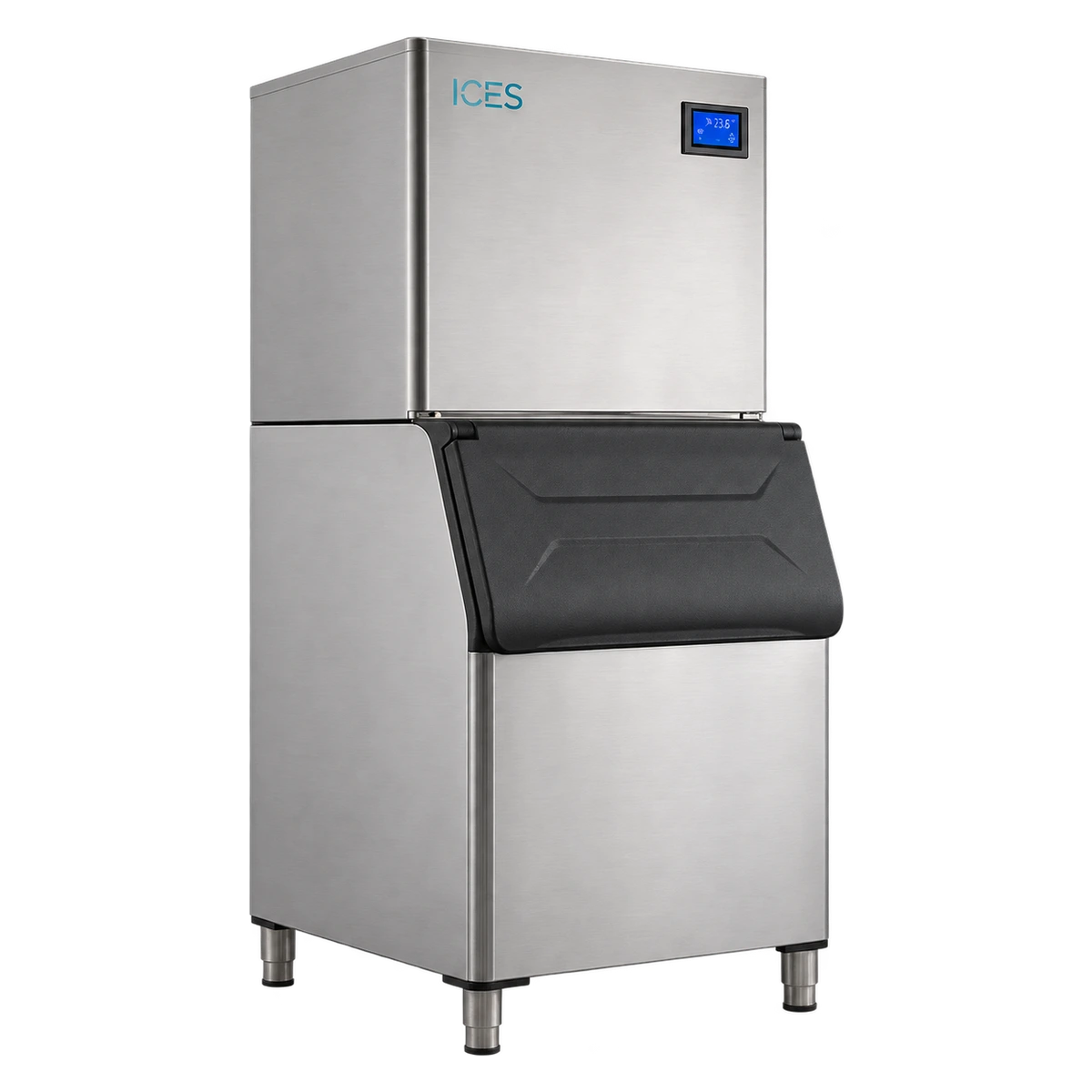
Use the ice form that passed the trial to narrow your shortlist: cube, crescent, solid cylindrical or nugget. The picture below shows an ICES cube model with a separate head and bin.
Send your trial record and peak demand to ICES.