On this page
Introduction
A commercial ice machine takes in water, removes heat to form ice, and delivers the ice to storage or the next point of use. That gives the buyer three useful questions: what reaches the machine, where does the heat go, and how much usable ice is ready when staff need it?
Follow the product from water to storage
Water enters → heat is removed and ice forms → ice leaves the ice-making section → ice reaches storage or the next process.
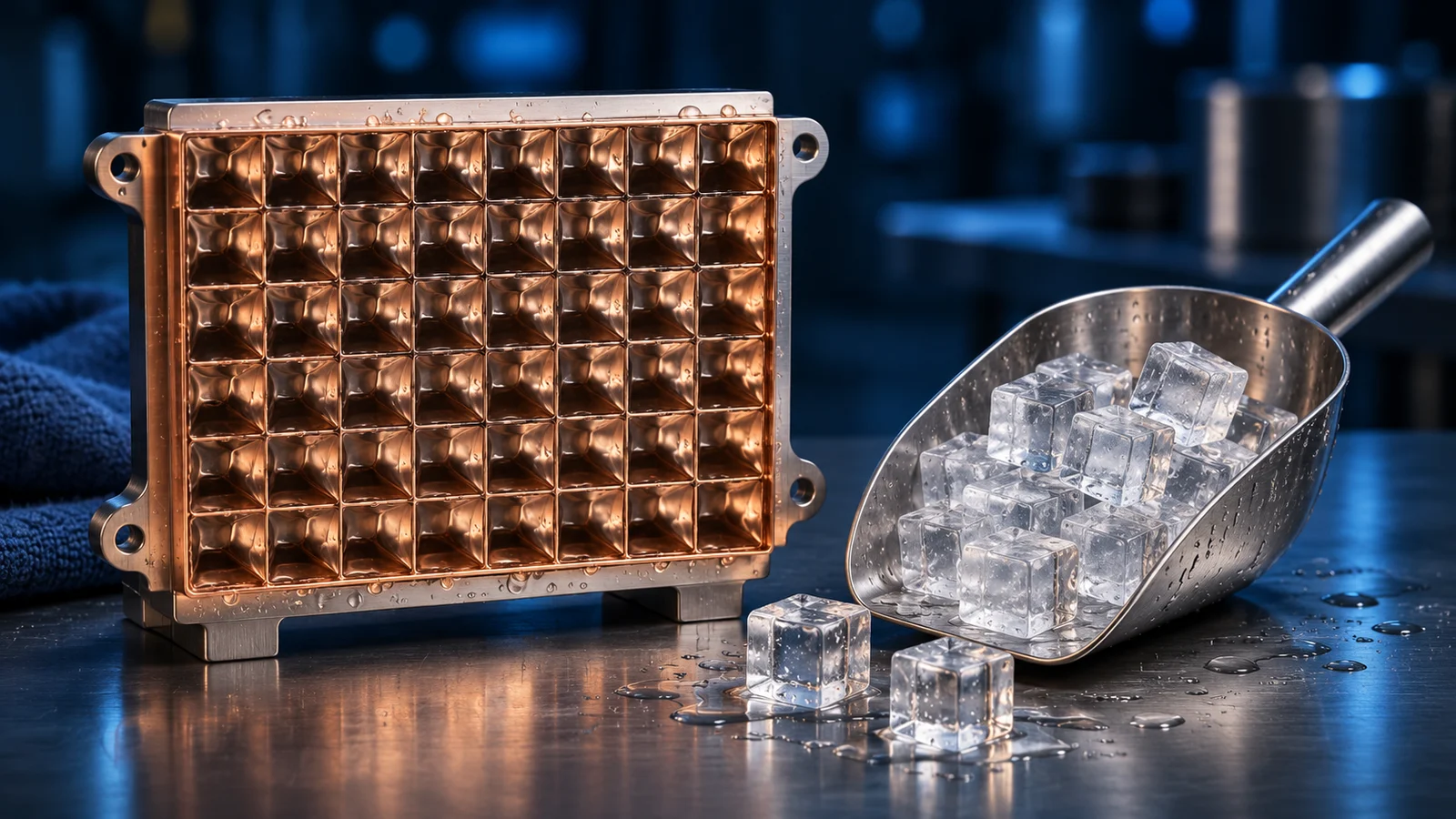
The evaporator takes up heat and the condenser releases it. In a batch cube machine, water freezes into the squares of a mould cooled by the evaporator. The machine then releases the formed cubes into storage. That release is often called the harvest stage. The next batch can then begin. Other designs can form and deliver ice differently; use the drawing or operating description for the proposed model to identify its ice outlet.
For a technical reference on the batch ice-making and release cycle, see KAISON’s guide to commercial ice machine operation.
Buy for the right handoff
Check the water connection and filtration at the inlet. Identify the heat rejection path at the installed location. At the ice outlet, check exactly what connects the ice-making unit to storage or the next process. If the quote includes a separate head, confirm which bin it pairs with and, if a full bin stops production, which part of the pairing provides that control.
Here's why the handoff matters. A kitchen can have enough production for the day and still run short before its first busy period if the bin starts low and staff draw ice faster than the machine makes it during that window. Check the amount ready at the start of service and the expected withdrawals before relying on the daily production figure.
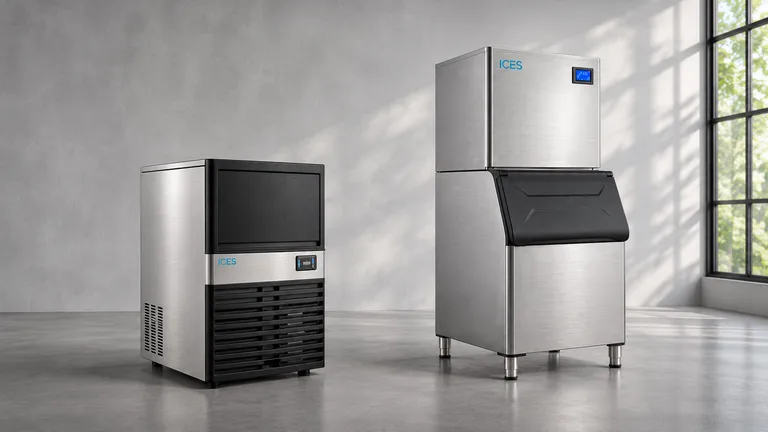
For a first comparison, look through the ICES ice machine ranges by the ice form you need, then use the self-contained versus modular guide to decide how production and storage should be quoted.